$100,000 fee should be per yr,’ says X user as US startup offers to sponsor H1-B, CTO replies
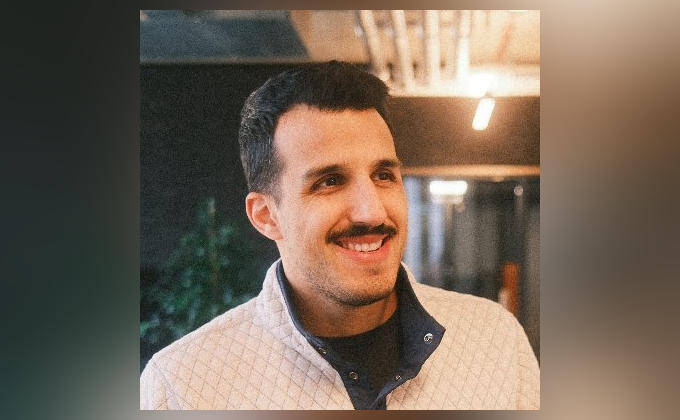
The world of tech and immigration has been abuzz with the recent announcement by US-based startup Metaview, which has offered to sponsor the $100,000 fee imposed by the US on H1-B visas. The news has sparked a heated debate, with some hailing it as a welcome move, while others have raised concerns about the implications of such a sponsorship. One X user, in particular, has caught the attention of the company’s Co-Founder and CTO, Shahriar Tajbakhsh, with a tongue-in-cheek comment that has left many in the tech community amused.
The controversy began when Metaview put up a banner outside IIT-Delhi, one of India’s premier engineering institutes, offering to sponsor the $100,000 fee for H1-B visas. The move was seen as an attempt to attract top talent from India to work for the company in the US. However, one X user took to the platform to express their disagreement with the terms of the sponsorship. “The fee should be per year, not one time fee,” the user wrote, implying that the company should commit to sponsoring the fee for the entire duration of the visa, rather than just paying it once.
The comment did not go unnoticed, and Shahriar Tajbakhsh, the Co-Founder and CTO of Metaview, responded with a witty remark. “Make it per day. I’ll set up a recurring payment,” he joked, highlighting the absurdity of the user’s demand. The exchange has sparked a lively debate, with some users praising the company’s willingness to sponsor the fee, while others have raised concerns about the potential implications of such a move.
The H1-B visa program is a highly sought-after route for foreign workers to enter the US, particularly in the tech industry. However, the program has been plagued by controversy in recent years, with many critics arguing that it is being misused by companies to bring in cheap labor. The $100,000 fee imposed by the US government is seen as a way to deter companies from abusing the program, but it has also made it more difficult for smaller companies and startups to attract top talent.
Metaview’s offer to sponsor the fee is seen as a bold move, but it has also raised questions about the company’s motivations. Some have argued that the company is trying to exploit the desperation of Indian engineers, who are often willing to take on high-interest loans to pay for the visa fees. Others have praised the company for its willingness to invest in talent, and for providing an opportunity for Indian engineers to work in the US.
The debate highlights the complexities of the H1-B visa program, and the need for a more nuanced approach to immigration policy. While the program has been instrumental in bringing in top talent to the US, it has also been criticized for its lack of transparency and accountability. The $100,000 fee is seen as a way to address some of these concerns, but it has also created a new set of challenges for companies and workers alike.
As the debate continues to rage on, one thing is clear: the H1-B visa program is in need of reform. The current system is complex and often unfair, and it has created a thriving industry of visa consultants and lawyers who profit from the desperation of workers. The US government needs to take a more comprehensive approach to immigration policy, one that balances the needs of companies with the rights of workers.
In the meantime, Metaview’s offer to sponsor the $100,000 fee has sparked a lively debate, and has highlighted the need for a more nuanced approach to immigration policy. While the company’s motivations may be subject to interpretation, one thing is clear: the H1-B visa program is in need of reform, and it will take a concerted effort from companies, workers, and governments to create a more fair and equitable system.
As the X user’s comment and Shahriar Tajbakhsh’s response have shown, the debate is not just about the $100,000 fee, but about the broader implications of the H1-B visa program. It is about the rights of workers, the needs of companies, and the role of government in regulating the flow of talent into the US. As the conversation continues, it is essential to keep these complexities in mind, and to work towards creating a more just and equitable system for all.
News source: https://x.com/s16h_/status/1996615907142221858
About the Author