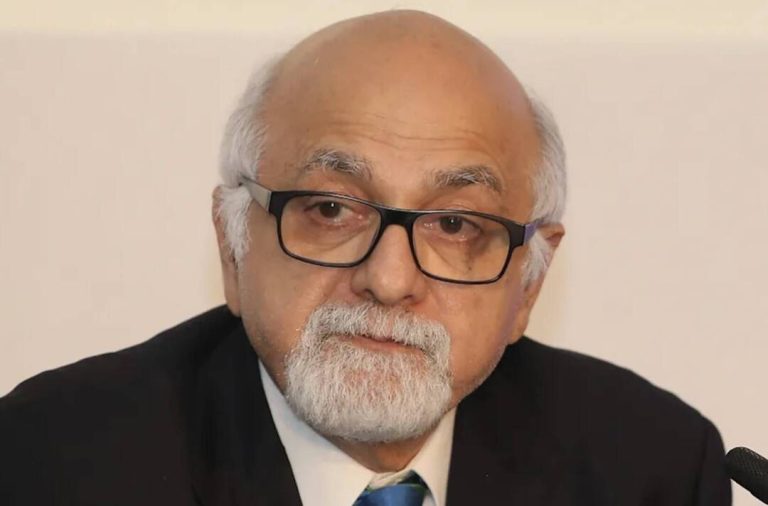
Who is Imran Khwaja, who’s mediating boycott talks with Pakistan?
The cricket world has been abuzz with the news of Pakistan’s proposed boycott of their match against India at the upcoming T20 World Cup. The situation has been tense, with the Pakistan Cricket Board (PCB) threatening to pull out of the tournament if their demands are not met. However, in a bid to mediate the situation and find a peaceful resolution, Imran Khwaja, the ICC Deputy Chairman, has stepped in to negotiate with the PCB. But who is Imran Khwaja, and what makes him the ideal person to mediate these talks?
Imran Khwaja, a lawyer by profession, has been a long-time ICC powerbroker and has been serving as the Deputy Chairman of the International Cricket Council (ICC) since 2017. His involvement in cricket administration dates back to 2008, when he was first elected to the ICC Board. Over the years, Khwaja has played a key role in shaping the ICC’s modern constitution and has been instrumental in several important decisions that have shaped the sport.
Khwaja’s experience in cricket administration is not limited to his role at the ICC. He has also served as the President of the Singapore Cricket Association, where he worked tirelessly to promote the sport and develop cricket infrastructure in the country. His expertise and knowledge of the sport have earned him the respect of his peers, and he is widely regarded as one of the most influential figures in international cricket.
As the ICC Deputy Chairman, Khwaja has been at the forefront of several important initiatives, including the development of the ICC’s strategic plan and the implementation of new rules and regulations. His leadership and vision have helped to shape the sport and have ensured that cricket remains a vibrant and exciting sport for fans around the world.
In the current situation, Khwaja’s mediation skills will be put to the test as he negotiates with the PCB to find a resolution to the boycott threat. The PCB has been seeking assurances from the ICC that their concerns will be addressed, and Khwaja will need to use all his experience and expertise to find a solution that satisfies all parties involved.
The situation is complex, with several factors at play. The PCB has been seeking guarantees that the Indian government will provide security and visas for the Pakistani team, as well as assurances that the match will be played in a neutral venue. The ICC, on the other hand, has been keen to ensure that the tournament is played as scheduled, without any disruptions or boycotts.
Khwaja’s role in mediating the situation will be crucial, as he will need to balance the competing demands of the PCB, the ICC, and the Indian government. His experience and knowledge of the sport, combined with his skills as a mediator, make him the ideal person to navigate these complex negotiations.
As the situation unfolds, cricket fans around the world will be watching with bated breath, hoping that a resolution can be found and the tournament can proceed as planned. With Imran Khwaja at the helm, there is hope that a peaceful resolution can be found, and the sport can continue to thrive.
In conclusion, Imran Khwaja is a highly respected and experienced cricket administrator, with a deep understanding of the sport and its complexities. His mediation skills and knowledge of the sport make him the ideal person to navigate the current situation and find a resolution to the boycott threat. As the ICC Deputy Chairman, Khwaja has a crucial role to play in shaping the future of cricket, and his involvement in the current situation is a testament to his commitment to the sport.
About the Author