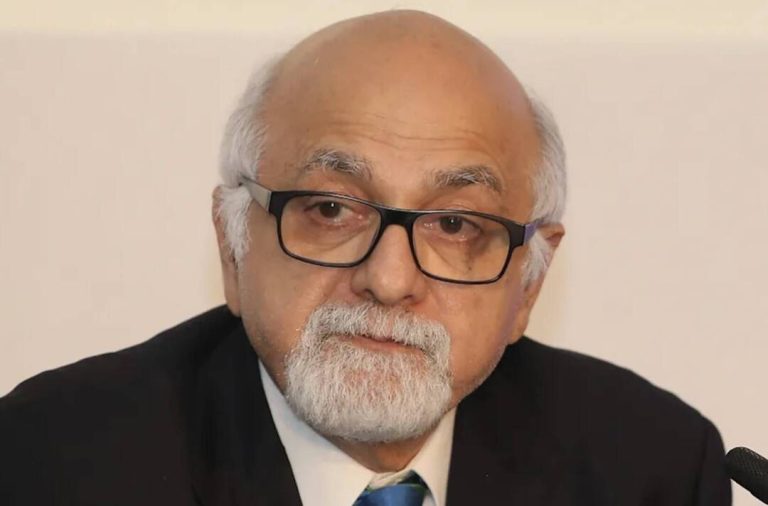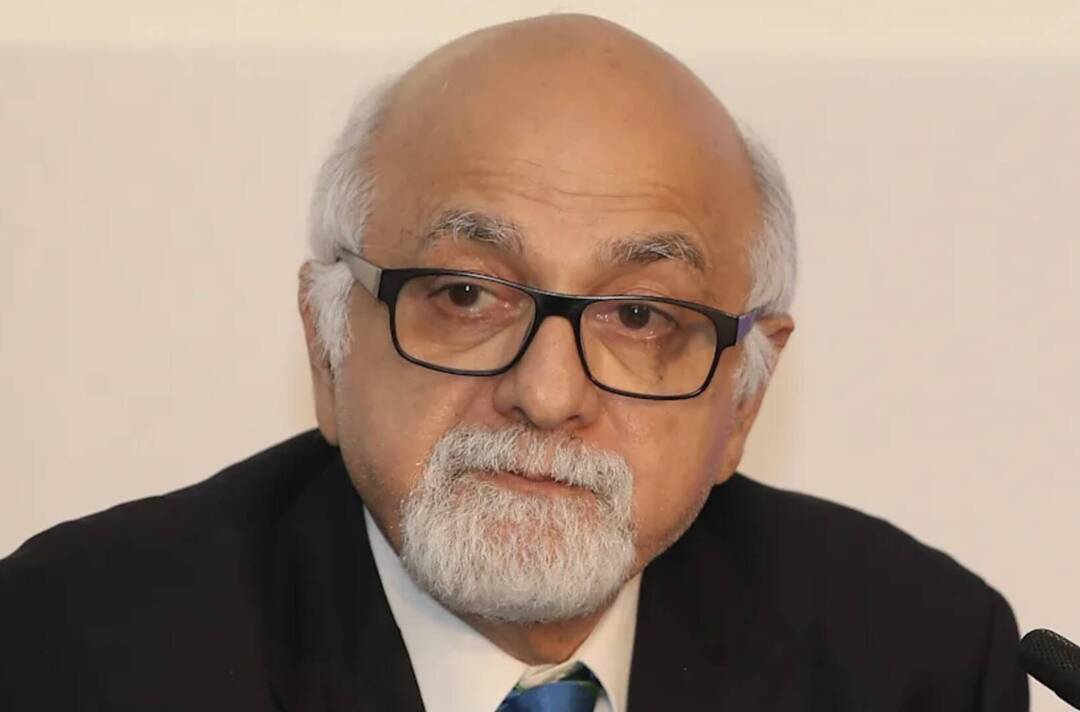
Who is Imran Khwaja, who’s mediating boycott talks with Pakistan?
The world of cricket is no stranger to controversy and drama, and the latest development in the lead-up to the 2026 T20 World Cup has all the makings of a high-stakes soap opera. The Pakistan Cricket Board (PCB) has threatened to boycott the tournament if their team is not allowed to play their matches in a neutral venue, citing security concerns. Mediating these talks is Imran Khwaja, a man who has been a key player in the International Cricket Council (ICC) for over a decade. But who is Imran Khwaja, and what makes him the perfect person to broker peace between the PCB and the ICC?
To understand Khwaja’s role in the current crisis, it’s essential to take a step back and look at his background. A lawyer by profession, Khwaja has been involved in cricket administration for many years, serving as the President of the Singapore Cricket Association. His experience in cricket governance is unparalleled, and his understanding of the intricacies of the game is deep. Elected to the ICC Board in 2008, Khwaja has been a long-time powerbroker in the organization, playing a crucial role in shaping the ICC’s modern constitution.
As the ICC Deputy Chairman since 2017, Khwaja has been instrumental in navigating the complex web of international cricket politics. His ability to build relationships and find common ground between different stakeholders has earned him a reputation as a skilled diplomat. Khwaja’s experience in mediating disputes and finding solutions to complex problems makes him the perfect person to mediate the current crisis between the PCB and the ICC.
The current controversy surrounding the 2026 T20 World Cup is complex and multifaceted. The PCB has expressed concerns about the safety of their team and fans if they are forced to play their matches in India, citing past incidents of violence and harassment. The ICC, on the other hand, has insisted that the tournament will go ahead as scheduled, with all teams playing their matches in their designated venues. The PCB’s threat to boycott the tournament has raised the stakes, and it’s up to Khwaja to find a solution that satisfies all parties involved.
Khwaja’s approach to mediation is characterized by his calm and measured demeanor. He is known for listening to all sides of the argument and finding creative solutions to complex problems. In the current crisis, Khwaja will need to use all his skills and experience to find a way forward that satisfies the PCB, the ICC, and the other stakeholders involved. His ability to build trust and credibility with all parties will be crucial in finding a solution that works for everyone.
One of the key challenges that Khwaja will face in mediating the current crisis is the complex web of relationships between the different stakeholders. The PCB, the ICC, and the Indian cricket board (BCCI) all have their own interests and agendas, and finding a solution that satisfies everyone will be a difficult task. Khwaja will need to use all his experience and skill to navigate these complex relationships and find a way forward that works for everyone.
Despite the challenges, Khwaja is well-equipped to handle the situation. His experience in cricket governance, combined with his skills as a mediator, make him the perfect person to broker peace between the PCB and the ICC. His ability to build relationships and find common ground between different stakeholders will be crucial in finding a solution to the current crisis.
In conclusion, Imran Khwaja is a highly experienced and skilled cricket administrator who is well-equipped to mediate the current crisis between the PCB and the ICC. His background in cricket governance, combined with his skills as a mediator, make him the perfect person to broker peace and find a solution that satisfies all parties involved. As the situation unfolds, it will be interesting to see how Khwaja navigates the complex web of relationships and interests to find a way forward that works for everyone.
About the Author