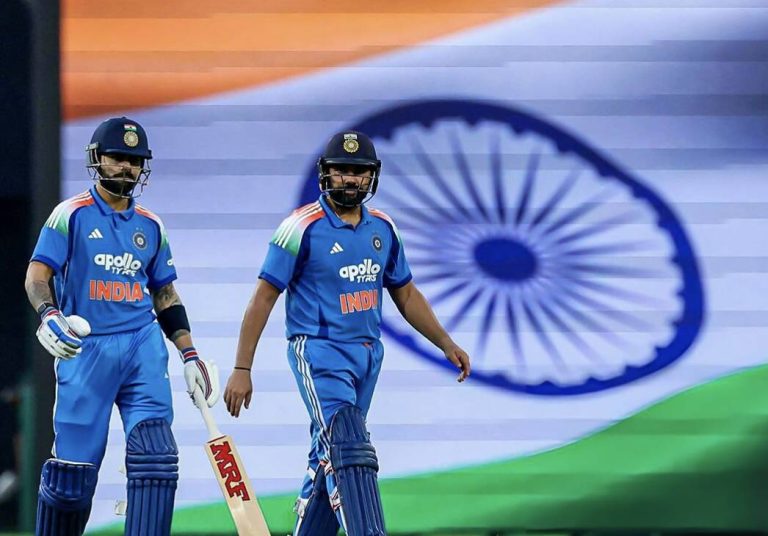
Not just Rohit-Kohli, compulsory for all current India players to play 2 Vijay Hazare games: BCCI
The Indian cricket team has been on a roll in recent times, with a slew of impressive performances in international tournaments. However, the Board of Control for Cricket in India (BCCI) is not resting on its laurels, and has taken a significant step to ensure that the national team players remain match-fit and in tune with the domestic circuit. In a move that is expected to have far-reaching implications, the BCCI has made it mandatory for all current national team players to turn up in at least two matches of the upcoming Vijay Hazare Trophy.
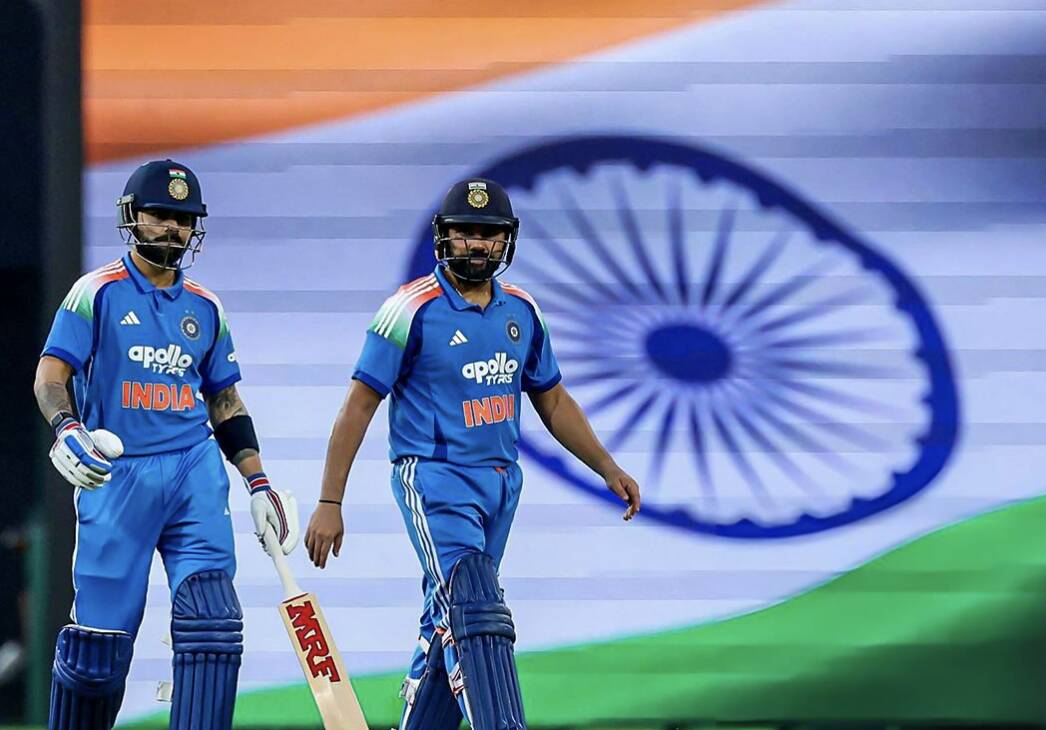
This development comes on the heels of announcements by Indian skipper Rohit Sharma and star batsman Virat Kohli, who had earlier confirmed their availability to play in the Vijay Hazare Trophy. The tournament, which is one of the premier domestic one-day competitions in India, is scheduled to take place in the coming weeks. The BCCI’s decision to make it compulsory for all national team players to participate in at least two games of the tournament is a clear indication of the board’s emphasis on the importance of domestic cricket.
According to a senior BCCI official, the players have been left in no doubt about the board’s expectations. “The players have been categorically told that playing in the Hazare Trophy isn’t optional,” the official told PTI. “They will have to play at least two matches, and this is a mandate that applies to all current national team players.” This move is expected to have a significant impact on the tournament, as the presence of top Indian players will undoubtedly add to the competition’s prestige and appeal.
The Vijay Hazare Trophy, which is named after the legendary Indian cricketer Vijay Hazare, has a rich history of producing talented players who have gone on to represent the country at the international level. The tournament has been a launching pad for many young cricketers, and the BCCI’s decision to make it compulsory for national team players to participate is a clear indication of the board’s commitment to nurturing and developing domestic talent.
The move is also expected to have a positive impact on the overall standard of the tournament. With top players like Rohit Sharma, Virat Kohli, and others participating, the competition is likely to become more intense and competitive. This, in turn, will provide a platform for younger players to test their skills against the best in the business, and to learn from their experiences.
Moreover, the BCCI’s decision is also a reflection of the board’s desire to strike a balance between international and domestic cricket. In recent times, there has been a growing concern that the Indian national team players have been focusing too much on international cricket, at the expense of domestic competitions. By making it compulsory for national team players to participate in the Vijay Hazare Trophy, the BCCI is ensuring that the players remain connected to their roots and continue to contribute to the growth and development of domestic cricket.
The decision is also a significant one from a player management perspective. With the Indian team having a packed international schedule, the BCCI’s move will help to ensure that the players remain match-fit and in tune with the demands of one-day cricket. This, in turn, will help to reduce the risk of injuries and player burnout, which have been major concerns for the Indian team in recent times.
In conclusion, the BCCI’s decision to make it compulsory for all current national team players to play in at least two matches of the Vijay Hazare Trophy is a significant one. The move reflects the board’s commitment to domestic cricket, and its desire to strike a balance between international and domestic competitions. With top players like Rohit Sharma and Virat Kohli already having confirmed their availability, the tournament is expected to be a highly competitive and exciting one. As the Indian cricket team continues to strive for excellence, the BCCI’s decision is a timely reminder of the importance of domestic cricket in the overall scheme of things.
About the Author