International cricket continues to weaken: Atherton on Pak boycott
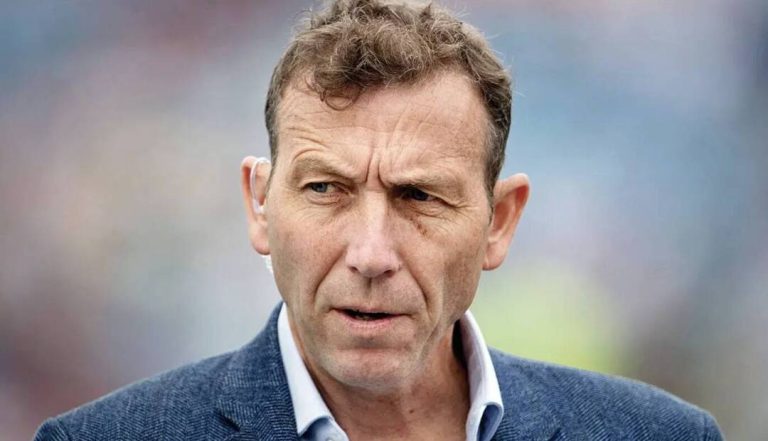
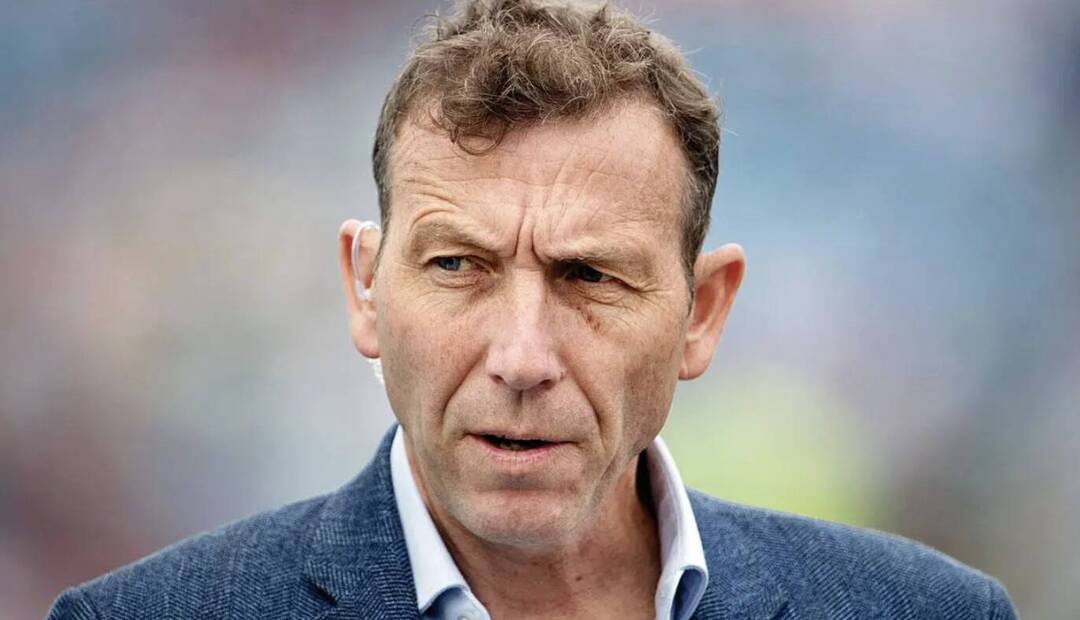
The world of international cricket has been dealt another significant blow, as Pakistan’s decision to boycott their upcoming match against India at the T20 World Cup 2026 has sent shockwaves throughout the cricketing community. Former England captain Michael Atherton has weighed in on the situation, warning of the potential financial consequences that this boycott could have on the sport as a whole.
According to Atherton, the India-Pakistan matchup is one of the most lucrative and highly anticipated games in the cricket calendar, with millions of fans tuning in from around the world to watch these two cricketing giants go head-to-head. The financial implications of Pakistan’s boycott, therefore, could be severe, with broadcasters and cricket boards potentially facing significant losses in revenue.
“The India-Pakistan game is one of the most valuable and highly sought-after matches in the cricket calendar,” Atherton said. “The fact that Pakistan has chosen to boycott this match could have serious financial consequences for broadcasters and cricket boards, particularly those that are already vulnerable.”
Atherton’s comments come at a time when international cricket is already facing significant challenges. The rise of franchise cricket, with its lucrative contracts and high-profile tournaments, has led to a shift in focus away from traditional international cricket. Many top players are now opting to participate in franchise leagues, such as the Indian Premier League (IPL) and the Big Bash League (BBL), rather than representing their countries in international matches.
“The international game continues to fracture and weaken, as franchise cricket advances and strengthens,” Atherton noted. “This is a worrying trend, as it threatens the very fabric of the sport. International cricket has always been the pinnacle of the game, but it seems that this is no longer the case.”
The financial implications of Pakistan’s boycott are likely to be felt most keenly by the International Cricket Council (ICC), which relies heavily on revenue generated from major tournaments like the T20 World Cup. The ICC has already faced significant financial challenges in recent years, with the COVID-19 pandemic having a major impact on the sport’s global calendar.
The boycott is also likely to have significant implications for the Pakistan Cricket Board (PCB), which has already faced financial difficulties in recent years. The PCB has been struggling to attract top teams to tour Pakistan, due to security concerns and other issues, and the boycott of the India match is likely to further exacerbate these problems.
Atherton’s comments have sparked a lively debate within the cricketing community, with many fans and pundits weighing in on the issue. Some have argued that Pakistan’s boycott is a justified response to the political tensions between India and Pakistan, while others have criticized the move as a selfish and short-sighted decision that will harm the sport as a whole.
Regardless of one’s perspective on the issue, it is clear that the boycott of the India-Pakistan match is a significant blow to international cricket. The sport is already facing significant challenges, from the rise of franchise cricket to the ongoing impact of the COVID-19 pandemic. The last thing that international cricket needs is for its most high-profile and lucrative matches to be disrupted by political tensions and boycotts.
As the cricketing world waits with bated breath to see how this situation will unfold, one thing is clear: the future of international cricket is uncertain, and the sport will need to adapt and evolve if it is to survive and thrive in the years to come.
In conclusion, the boycott of the India-Pakistan match at the T20 World Cup 2026 is a significant blow to international cricket, with potential financial consequences for broadcasters and cricket boards. The rise of franchise cricket and the ongoing challenges faced by the sport mean that international cricket is already on shaky ground, and this latest development will only serve to further weaken the sport. As Atherton noted, the international game continues to fracture and weaken, and it remains to be seen how the sport will recover from this latest setback.
News Source: https://indianexpress.com/article/sports/cricket/pakistan-india-michael-atherton-franchise-cricket-10511207/lite/
About the Author