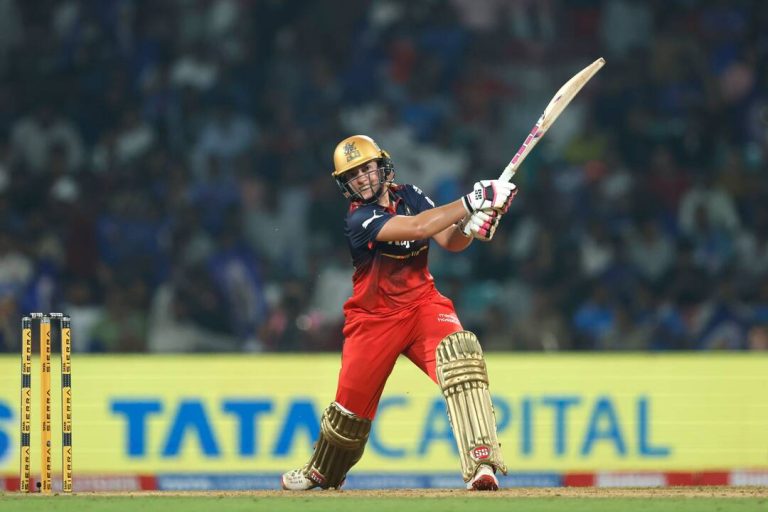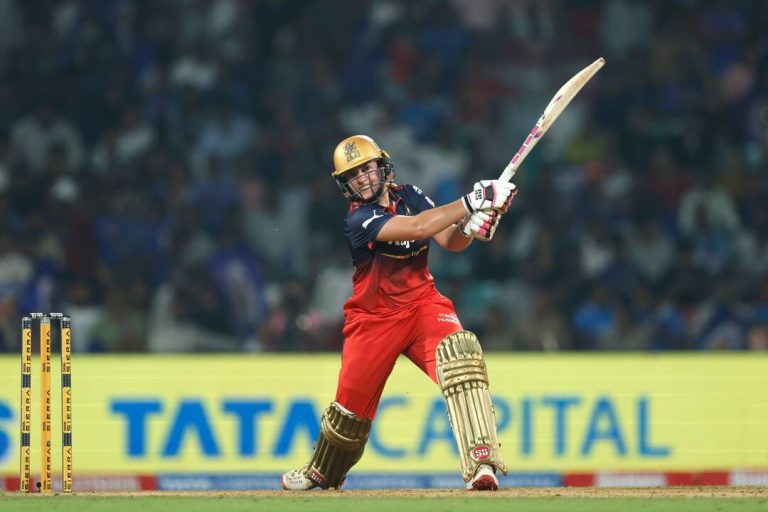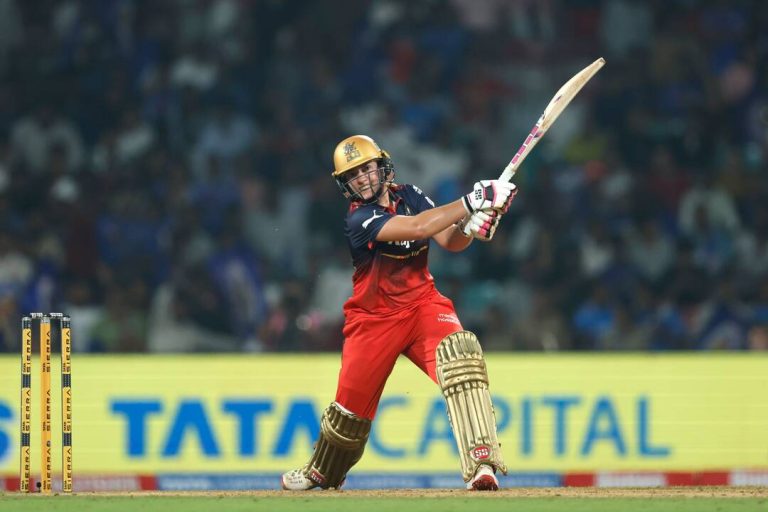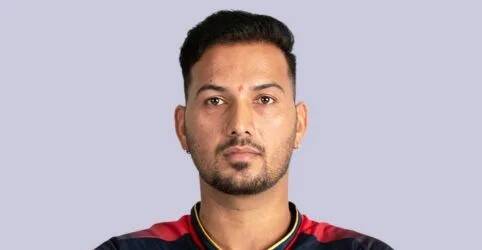
Cricketer Rajan Kumar, who was part of RCB in IPL 2024, fails dope test
The world of cricket has been marred by yet another doping scandal, with Uttarakhand left-arm fast bowler Rajan Kumar being the latest player to fail a dope test. The National Anti-Doping Agency (NADA) has imposed a provisional suspension on Rajan, who was part of the Royal Challengers Bangalore (RCB) squad in the Indian Premier League (IPL) 2024. This news has sent shockwaves through the cricketing community, with many fans and pundits alike expressing their disappointment and dismay.
According to reports, Rajan tested positive for Drostanolone, Metenolone, and Clomiphene, all of which are anabolic steroids. These substances are banned by the World Anti-Doping Agency (WADA) and are considered performance-enhancing drugs. The use of such substances can give a player an unfair advantage over their opponents, which is why they are strictly prohibited in sports.
Rajan’s doping offense is particularly surprising, given his impressive performance in recent times. In the Syed Mushtaq Ali Trophy 2025, he took 13 wickets, showcasing his skills as a left-arm fast bowler. His talent and potential had made him a promising prospect in Indian cricket, and his selection in the RCB squad for IPL 2024 was seen as a testament to his hard work and dedication.
However, with this doping offense, Rajan’s career is now under a cloud. The provisional suspension imposed by NADA means that he will not be able to participate in any cricketing activities until the matter is resolved. This could potentially rule him out of upcoming tournaments and matches, including the IPL, which would be a significant setback for his career.
The use of performance-enhancing drugs is a serious issue in sports, and cricket is no exception. The International Cricket Council (ICC) and the Board of Control for Cricket in India (BCCI) have strict anti-doping policies in place, which include regular testing and penalties for those found guilty of doping offenses. The BCCI has a zero-tolerance policy towards doping, and players who test positive are subject to disciplinary action, including suspensions and fines.
In recent years, there have been several instances of Indian cricketers failing dope tests. This has raised concerns about the prevalence of doping in Indian cricket and the need for more stringent measures to prevent it. The BCCI has taken steps to educate players about the dangers of doping and the importance of fair play, but more needs to be done to address this issue.
The case of Rajan Kumar serves as a reminder that doping is a serious issue that can have severe consequences for players and the sport as a whole. It highlights the need for continued vigilance and strict enforcement of anti-doping policies to ensure that cricket remains a clean and fair sport.
As the investigation into Rajan’s doping offense continues, the cricketing community will be watching with bated breath. The outcome of this case will have significant implications for Rajan’s career and the sport as a whole. One thing is certain, however: the use of performance-enhancing drugs will not be tolerated in cricket, and those found guilty will face the consequences.
In conclusion, the news of Rajan Kumar’s doping offense is a setback for Indian cricket and a reminder of the need for continued vigilance against doping. The BCCI and the ICC must work together to ensure that cricket remains a clean and fair sport, and that players who cheat are held accountable. As fans, we must also play our part in promoting fair play and supporting players who compete with integrity.
News Source: https://x.com/kushansarkar/status/2008197106234991093
About the Author