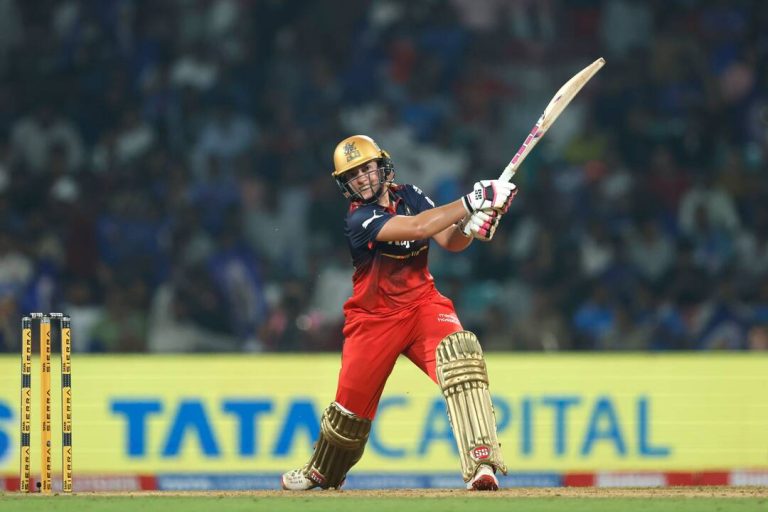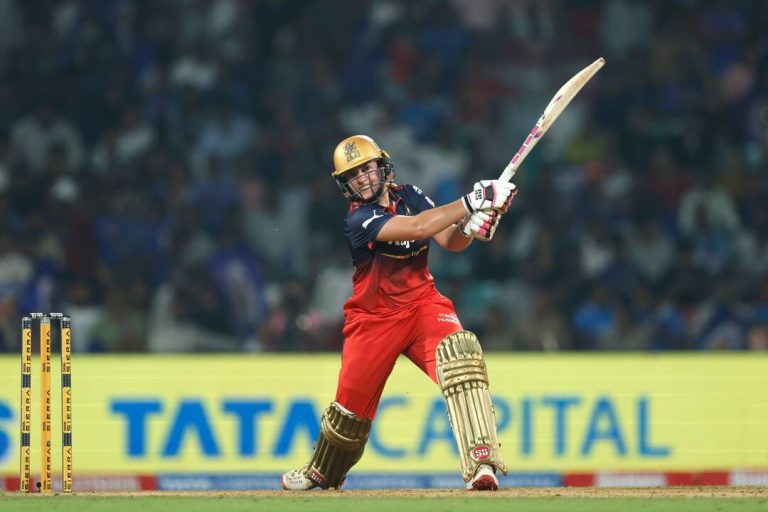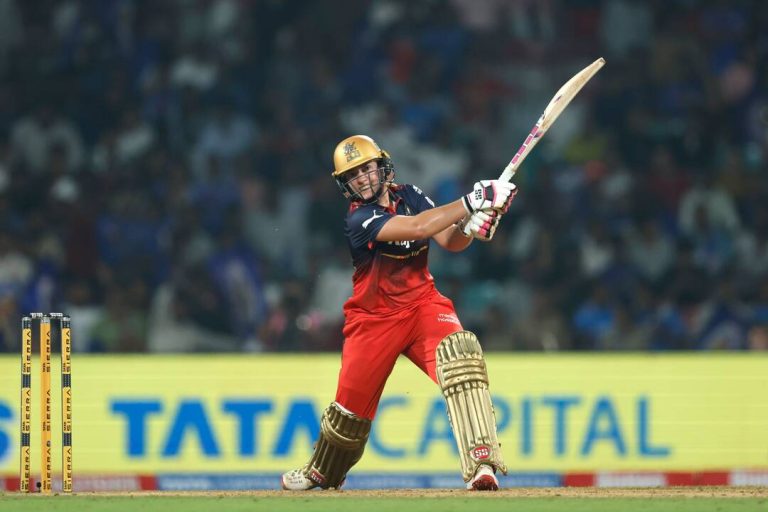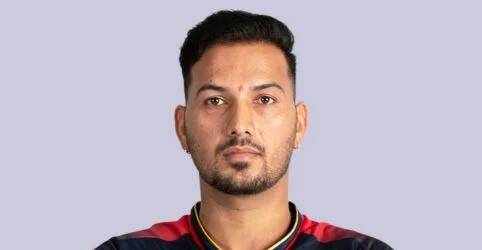
Cricketer Rajan Kumar, who was part of RCB in IPL 2024, fails dope test
The world of cricket has been shaken once again by a doping scandal, this time involving a young and promising Indian cricketer, Rajan Kumar. The Uttarakhand left-arm fast bowler, who was part of the Royal Challengers Bangalore (RCB) squad in the Indian Premier League (IPL) 2024, has failed a dope test, resulting in a provisional suspension imposed by the National Anti-Doping Agency (NADA).
According to reports, Rajan Kumar tested positive for Drostanolone, Metenolone, and Clomiphene, all of which are anabolic steroids. This is a significant blow to the 24-year-old cricketer’s career, which was on the rise after his impressive performances in recent domestic tournaments. In the Syed Mushtaq Ali Trophy 2025, Rajan took 13 wickets, showcasing his potential as a skilled fast bowler.
The news of Rajan’s doping scandal has sent shockwaves through the cricketing community, with many questioning how such a talented player could resort to using performance-enhancing substances. The IPL, which is one of the most popular and competitive T20 leagues in the world, has a strict anti-doping policy in place, and any player found guilty of doping faces severe penalties, including suspension and even a lifetime ban.
Rajan Kumar’s case is a reminder that doping is a pervasive issue in sports, and cricket is no exception. Despite the best efforts of anti-doping agencies and sports governing bodies, many athletes continue to use performance-enhancing substances to gain an unfair advantage. The consequences of doping can be severe, not only for the athlete but also for the sport as a whole, undermining the integrity and fairness of competition.
The National Anti-Doping Agency (NADA) has been working tirelessly to combat doping in Indian sports, conducting regular tests and imposing penalties on athletes found guilty of doping. However, the agency faces significant challenges, including limited resources and the sophistication of doping methods. The use of anabolic steroids, such as those found in Rajan Kumar’s system, is particularly concerning, as these substances can have serious health consequences, including liver damage, cardiovascular problems, and infertility.
The Royal Challengers Bangalore (RCB) franchise, which had signed Rajan Kumar for the IPL 2024 season, has yet to comment on the doping scandal. However, it is likely that the team will take a strong stance against doping, given the negative impact it can have on the sport and the team’s reputation.
As the cricketing community grapples with the fallout of Rajan Kumar’s doping scandal, it is essential to remember that doping is a complex issue, often driven by a combination of factors, including pressure to perform, lack of education, and inadequate support systems. To combat doping effectively, it is crucial to address these underlying factors, providing athletes with the resources and support they need to compete fairly and safely.
In conclusion, the doping scandal involving Rajan Kumar is a sobering reminder of the challenges facing cricket and sports in general. As the investigation into Rajan’s case continues, it is essential to prioritize education, prevention, and support, ensuring that athletes have the resources they need to compete fairly and safely. The cricketing community must come together to condemn doping and promote a culture of clean sport, where athletes can compete with integrity and pride.
News Source: https://x.com/kushansarkar/status/2008197106234991093
About the Author