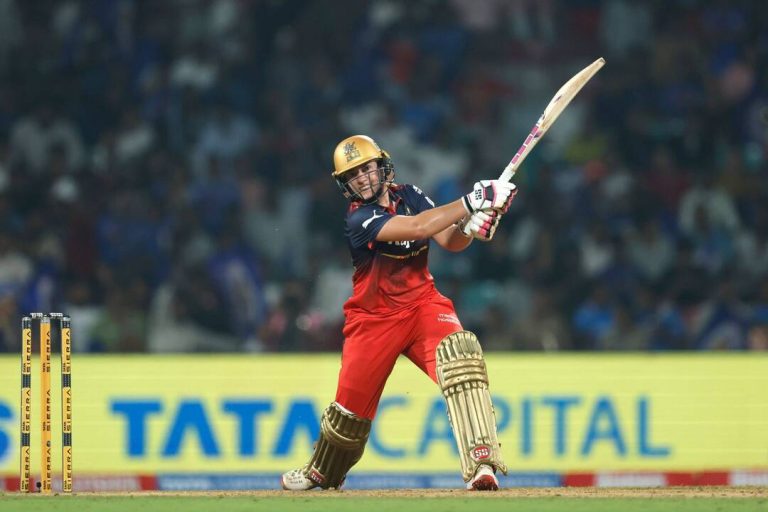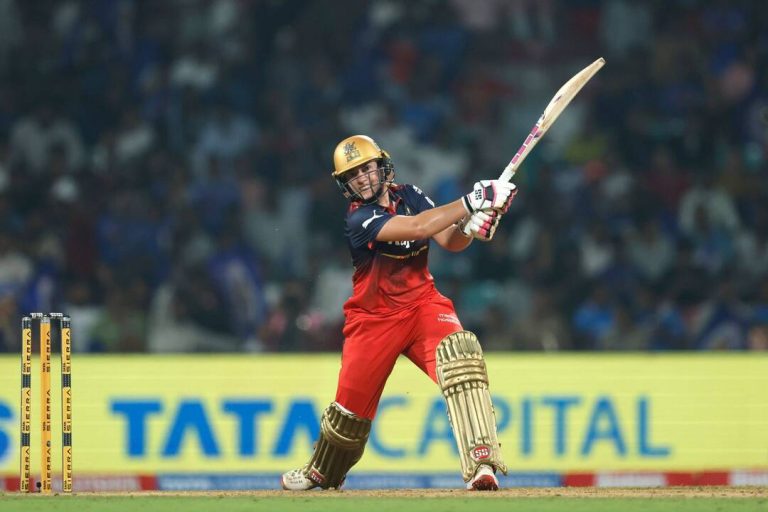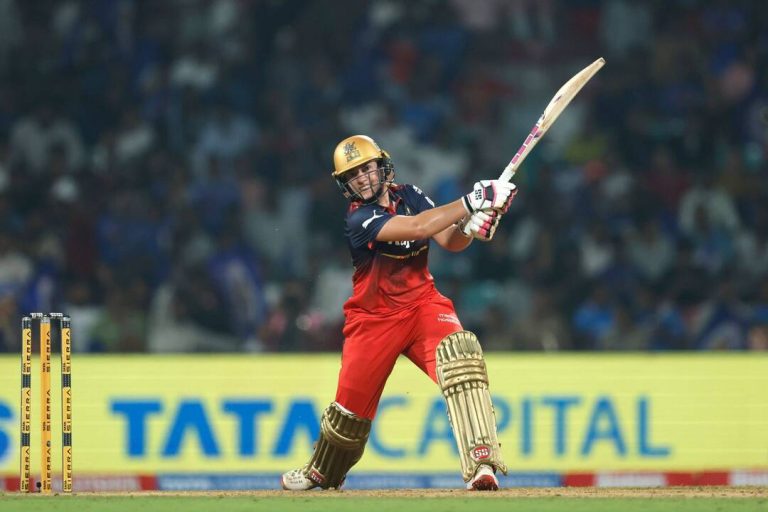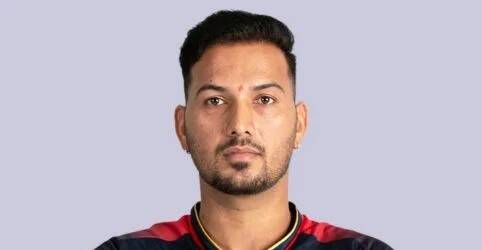
Cricketer Rajan Kumar, who was part of RCB in IPL 2024, fails dope test
The world of Indian cricket has been shaken by the news of Uttarakhand left-arm fast bowler Rajan Kumar failing a dope test. The National Anti-Doping Agency (NADA) has imposed a provisional suspension on him, following the detection of anabolic steroids in his system. This development has sent shockwaves throughout the cricketing community, particularly among fans of the Royal Challengers Bangalore (RCB) team, of which Rajan was a part in the Indian Premier League (IPL) 2024.
Rajan Kumar, who has been making waves in the domestic cricket circuit, tested positive for Drostanolone, Metenolone, and Clomiphene, all of which are anabolic steroids. These substances are banned by the World Anti-Doping Agency (WADA) and are considered performance-enhancing drugs. The presence of these substances in Rajan’s system suggests that he may have been using them to gain an unfair advantage over his opponents.
The news of Rajan’s failed dope test is particularly surprising, given his impressive performance in the Syed Mushtaq Ali Trophy 2025. He took 13 wickets in the tournament, showcasing his skills as a left-arm fast bowler. His performance had caught the attention of cricket fans and pundits alike, and he was being touted as a promising young talent in Indian cricket.
However, with this failed dope test, Rajan’s career is now under a cloud. The provisional suspension imposed by NADA means that he will not be able to participate in any cricketing activities until the completion of the disciplinary proceedings. This could potentially jeopardize his chances of being selected for the national team or even participating in the upcoming IPL seasons.
The use of performance-enhancing drugs is a serious issue in sports, and cricket is no exception. The International Cricket Council (ICC) and the Board of Control for Cricket in India (BCCI) have strict anti-doping policies in place to ensure that players compete fairly and without any unfair advantages. The ICC has a zero-tolerance policy towards doping, and players who test positive for banned substances face severe penalties, including suspensions and fines.
In recent years, there have been several instances of Indian cricketers failing dope tests. In 2019, former Indian pacer Pradeep Sangwan was banned for 18 months after testing positive for a banned substance. Similarly, in 2020, Indian cricketer Yusuf Pathan was suspended for 5 months after testing positive for a steroid.
The case of Rajan Kumar serves as a reminder of the importance of fair play and sportsmanship in cricket. The use of performance-enhancing drugs not only undermines the integrity of the game but also poses serious health risks to the players themselves. It is essential for cricketers to understand the risks and consequences of doping and to prioritize their health and well-being over any short-term gains.
As the investigation into Rajan’s case continues, it remains to be seen what consequences he will face. The BCCI and the ICC will likely take a strong stance against him, and he may face a lengthy suspension or even a ban from the sport. The incident serves as a wake-up call for all cricketers, emphasizing the need for fair play and adherence to anti-doping regulations.
In conclusion, the news of Rajan Kumar’s failed dope test is a disappointing development for Indian cricket. The use of performance-enhancing drugs has no place in the sport, and it is essential for players to prioritize fair play and sportsmanship. As the cricketing community awaits the outcome of the investigation, one thing is clear: the integrity of the game must be protected at all costs.
News Source: https://x.com/kushansarkar/status/2008197106234991093
About the Author