Clubs demand no participation fee, AIFF funding for ISL restart
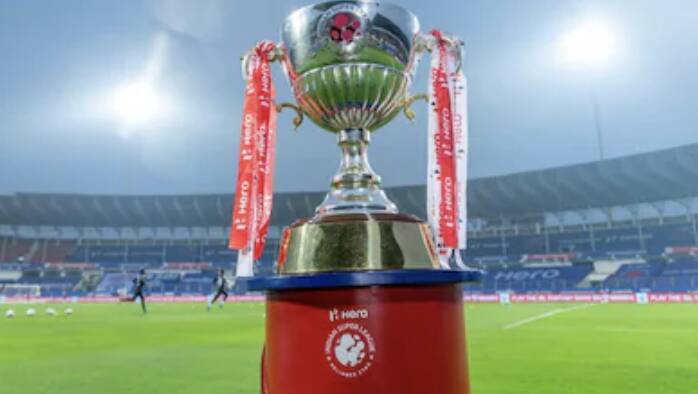
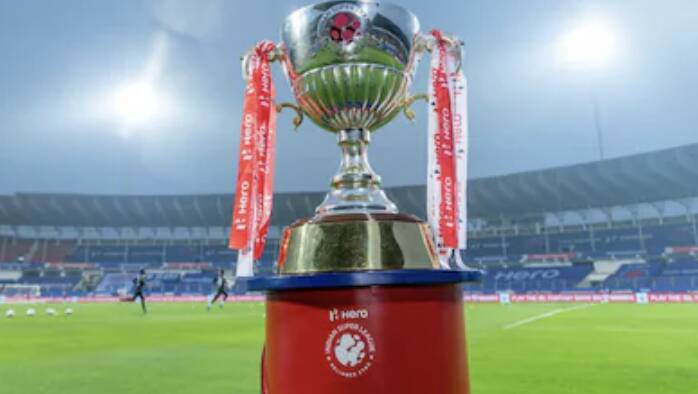
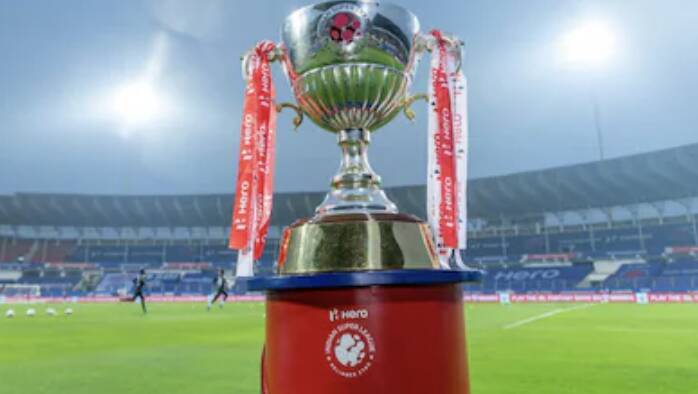
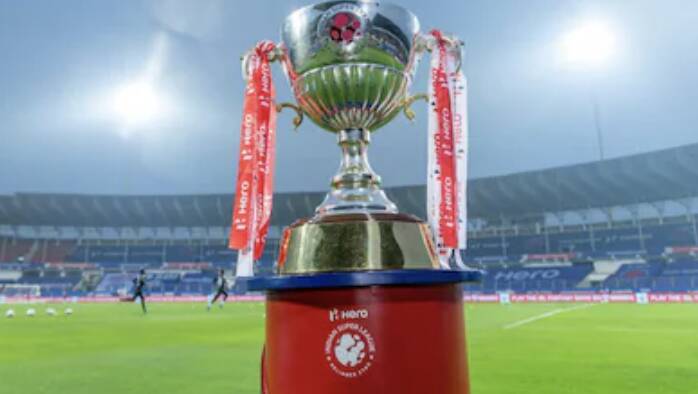
The Indian Super League (ISL) has been facing an uncertain future, with the 2025-2026 season delayed due to various reasons. However, in a recent development, thirteen out of the fourteen ISL clubs have come together to express their willingness to participate in the delayed season, provided certain conditions are met. The clubs have demanded that there should be no participation fee and that the All India Football Federation (AIFF) should cover the operational costs of the league.
This move by the clubs is seen as a significant step towards finding a solution to the ongoing crisis in Indian football. The ISL, which is the top-tier professional football league in India, has been facing several challenges, including financial constraints, governance issues, and a lack of clarity on its long-term structure. The clubs’ demand for no participation fee and AIFF funding is aimed at addressing some of these challenges and ensuring the smooth functioning of the league.
The participation fee, which is currently a significant burden on the clubs, has been a major point of contention. The clubs have argued that the fee is too high and is affecting their ability to invest in their teams and infrastructure. By demanding that the AIFF cover the operational costs, the clubs are seeking to reduce their financial burden and ensure that they can focus on developing their teams and competing at the highest level.
In addition to the demand for no participation fee and AIFF funding, the clubs have also requested a clear, time-bound roadmap for the league’s long-term commercial, governance, and financially sustainable structure. This is a critical aspect, as the ISL needs a well-planned and sustainable structure to ensure its growth and success in the long term. The clubs are seeking a transparent and accountable system, which will enable them to plan and invest for the future with confidence.
The AIFF, which is the governing body of football in India, has been facing criticism for its handling of the ISL and Indian football in general. The federation has been accused of lacking a clear vision and strategy for the development of the sport, and of not providing adequate support to the clubs and players. The clubs’ demand for a clear roadmap and sustainable structure is a direct challenge to the AIFF to step up and take responsibility for the growth and development of Indian football.
The implications of the clubs’ demands are significant, and could have a major impact on the future of the ISL and Indian football. If the AIFF agrees to the clubs’ demands, it could lead to a more sustainable and successful league, with clubs able to invest in their teams and infrastructure without the burden of a high participation fee. On the other hand, if the AIFF is unable to meet the clubs’ demands, it could lead to a further delay or even cancellation of the ISL season, which would be a major setback for Indian football.
The ISL, which was launched in 2014, has been a significant success in terms of popularizing football in India and providing a platform for Indian players to compete against top international talent. However, the league has faced several challenges, including a lack of governance, financial constraints, and a lack of clarity on its long-term structure. The clubs’ demands are an attempt to address some of these challenges and ensure that the league is able to grow and succeed in the long term.
In conclusion, the demand by the ISL clubs for no participation fee and AIFF funding is a significant development in the ongoing crisis in Indian football. The clubs’ request for a clear, time-bound roadmap for the league’s long-term commercial, governance, and financially sustainable structure is a direct challenge to the AIFF to step up and take responsibility for the growth and development of Indian football. The implications of the clubs’ demands are significant, and could have a major impact on the future of the ISL and Indian football. As the situation continues to unfold, it remains to be seen how the AIFF will respond to the clubs’ demands and what the future holds for Indian football.
News Source: https://repository.inshorts.com/articles/en/PTI/292a827d-c3c4-4cd5-a4cf-6feefaf14e41
About the Author