Clubs demand no participation fee, AIFF funding for ISL restart
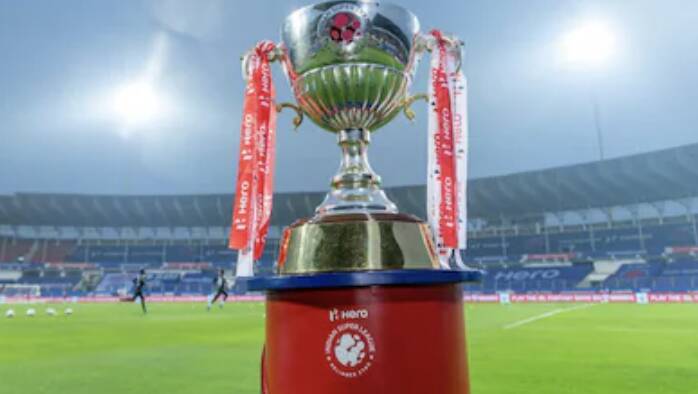
The Indian Super League (ISL) has been facing an uncertain future, with the 2025-2026 season delayed due to various reasons. However, in a recent development, thirteen out of the fourteen ISL clubs have come together to express their willingness to participate in the league, provided certain conditions are met. The clubs have demanded that there should be no participation fee and that the All India Football Federation (AIFF) should cover the operational costs. Additionally, they have requested a clear and time-bound roadmap for the league’s long-term commercial, governance, and financially sustainable structure.
This move by the clubs is seen as a significant step towards finding a solution to the ongoing crisis in Indian football. The ISL, which was launched in 2014, has been struggling to gain stability and recognition, both domestically and internationally. The league has faced several challenges, including financial constraints, poor attendance, and a lack of competitiveness. Despite these challenges, the ISL has managed to attract some of the biggest names in Indian football, and its popularity has been growing steadily over the years.
The demand for no participation fee is a significant one, as it would help reduce the financial burden on the clubs. The participation fee, which is currently around Rs 15 crore per team, is a significant expense for the clubs, and many of them have been struggling to pay it. By waiving off this fee, the AIFF can help reduce the financial strain on the clubs and make it easier for them to participate in the league.
The request for the AIFF to cover operational costs is also a crucial one. The operational costs of running a football team are significant, and many clubs have been struggling to meet these expenses. By covering these costs, the AIFF can help ensure that the clubs are able to focus on the footballing aspects of the game, rather than worrying about how to pay their bills.
The demand for a clear and time-bound roadmap for the league’s long-term commercial, governance, and financially sustainable structure is also an important one. The ISL has been criticized in the past for its lack of transparency and accountability, and many have questioned the league’s governance structure. By providing a clear roadmap, the AIFF can help address these concerns and provide a sense of direction and stability to the league.
The AIFF has been facing significant pressure to find a solution to the ISL crisis, and this move by the clubs is seen as a major step in the right direction. The federation has been working closely with the clubs to find a solution, and it is expected that a meeting will be held soon to discuss the demands made by the clubs.
The ISL has the potential to be a major force in Indian football, and it is essential that the AIFF and the clubs work together to find a solution to the ongoing crisis. The league has already shown signs of growth and improvement, and with the right support and guidance, it can become a major player in the world of football.
In conclusion, the demand by the ISL clubs for no participation fee and AIFF funding is a significant step towards finding a solution to the ongoing crisis in Indian football. The AIFF must take these demands seriously and work towards finding a solution that benefits all parties involved. The future of Indian football depends on it, and it is essential that the federation and the clubs work together to ensure that the ISL is a success.
The ISL has the potential to be a major force in Indian football, and it is essential that the AIFF and the clubs work together to find a solution to the ongoing crisis. The league has already shown signs of growth and improvement, and with the right support and guidance, it can become a major player in the world of football.
The demand for a clear and time-bound roadmap for the league’s long-term commercial, governance, and financially sustainable structure is also an important one. The ISL has been criticized in the past for its lack of transparency and accountability, and many have questioned the league’s governance structure. By providing a clear roadmap, the AIFF can help address these concerns and provide a sense of direction and stability to the league.
The AIFF has been facing significant pressure to find a solution to the ISL crisis, and this move by the clubs is seen as a major step in the right direction. The federation has been working closely with the clubs to find a solution, and it is expected that a meeting will be held soon to discuss the demands made by the clubs.
The future of Indian football depends on the success of the ISL, and it is essential that the AIFF and the clubs work together to find a solution to the ongoing crisis. The league has the potential to be a major force in Indian football, and it is essential that the federation and the clubs work together to ensure that the ISL is a success.
In the coming days and weeks, it will be interesting to see how the AIFF responds to the demands made by the clubs. The federation must take these demands seriously and work towards finding a solution that benefits all parties involved. The future of Indian football depends on it, and it is essential that the AIFF and the clubs work together to ensure that the ISL is a success.
News Source: https://repository.inshorts.com/articles/en/PTI/292a827d-c3c4-4cd5-a4cf-6feefaf14e41
About the Author