Clubs demand no participation fee, AIFF funding for ISL restart
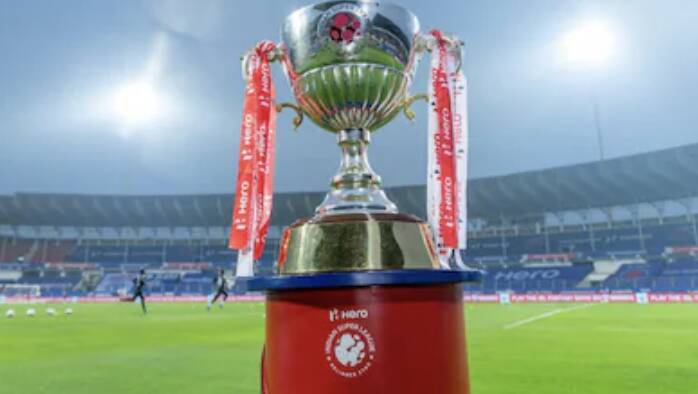
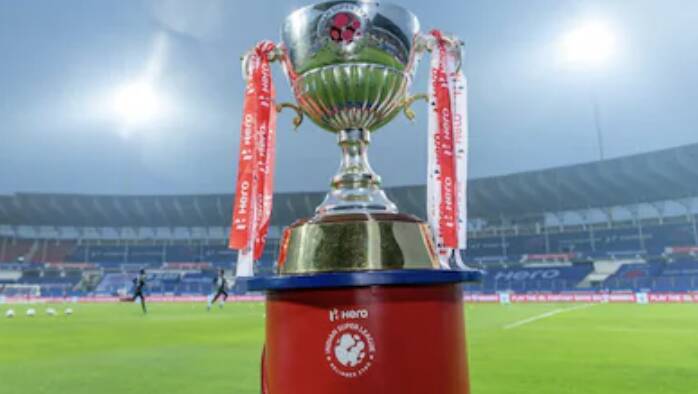
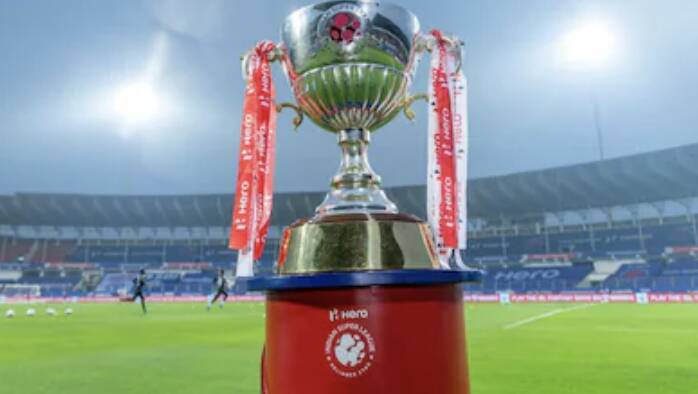
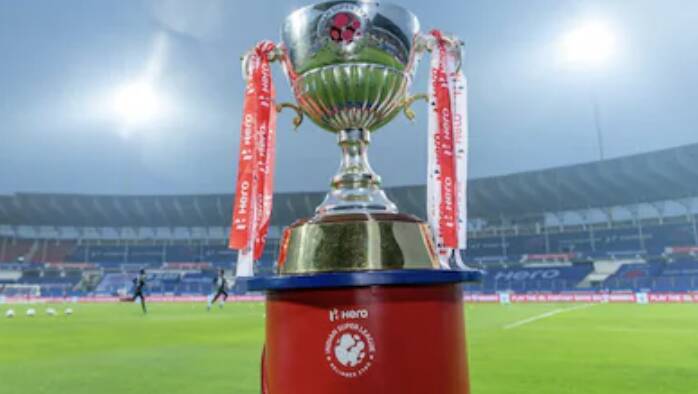
The Indian football scene has been abuzz with the latest developments surrounding the Indian Super League (ISL). In a significant move, thirteen of the 14 ISL clubs have come together to present a united front to the All India Football Federation (AIFF), stating that they “may be ready and willing” to participate in the delayed ISL 2025-2026 season under certain conditions. The clubs have put forth two primary demands: no participation fee and AIFF funding to cover operational costs. Additionally, they have requested a clear, time-bound roadmap for the league’s long-term commercial, governance, and financially sustainable structure.
This move by the clubs is a clear indication of the financial struggles that many of them are facing. The ISL, which was launched in 2014, has been plagued by financial issues, with many clubs struggling to stay afloat. The participation fee, which is reportedly in the range of ₹15-20 crores per season, has been a significant burden for many clubs. By demanding that the AIFF waive this fee, the clubs are hoping to alleviate some of the financial pressure and create a more sustainable business model.
The demand for AIFF funding to cover operational costs is also a crucial one. The ISL is a professional league, and the costs associated with running a team are substantial. From player salaries to stadium rentals, the expenses can quickly add up. By seeking AIFF funding, the clubs are hoping to offset some of these costs and create a more stable financial environment.
The request for a clear, time-bound roadmap for the league’s long-term commercial, governance, and financially sustainable structure is also a significant one. The ISL has been criticized in the past for its lack of transparency and unclear governance structure. The clubs are seeking a more defined and sustainable plan for the league’s future, one that will provide a clear direction and vision for the years to come.
The AIFF, which is the governing body for football in India, has a significant role to play in addressing the concerns of the ISL clubs. The federation has been working to revamp the Indian football structure, with a focus on creating a more sustainable and professional league. The AIFF has also been in talks with various stakeholders, including the clubs, to discuss the future of the ISL and the Indian football ecosystem as a whole.
The delayed ISL 2025-2026 season has been a topic of much discussion and debate. The league was initially scheduled to start in November 2025, but it has been pushed back due to various reasons, including the COVID-19 pandemic and the ensuing financial struggles of the clubs. The latest development, with the clubs demanding no participation fee and AIFF funding, has added a new twist to the story.
As the situation continues to unfold, it will be interesting to see how the AIFF responds to the demands of the ISL clubs. The federation has a delicate balance to strike, between addressing the concerns of the clubs and ensuring the long-term sustainability of the league. The ISL has been a significant success story for Indian football, and it is essential that the AIFF takes the necessary steps to ensure its continued growth and development.
In conclusion, the demands of the ISL clubs are a clear indication of the challenges facing Indian football. The AIFF has a significant role to play in addressing these concerns and creating a more sustainable and professional league. As the situation continues to unfold, it will be interesting to see how the federation responds to the demands of the clubs and what the future holds for the ISL and Indian football as a whole.
News Source: https://repository.inshorts.com/articles/en/PTI/292a827d-c3c4-4cd5-a4cf-6feefaf14e41
About the Author