Clubs demand no participation fee, AIFF funding for ISL restart
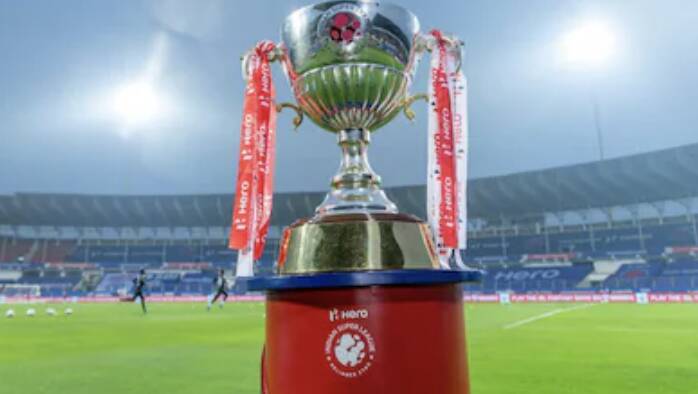
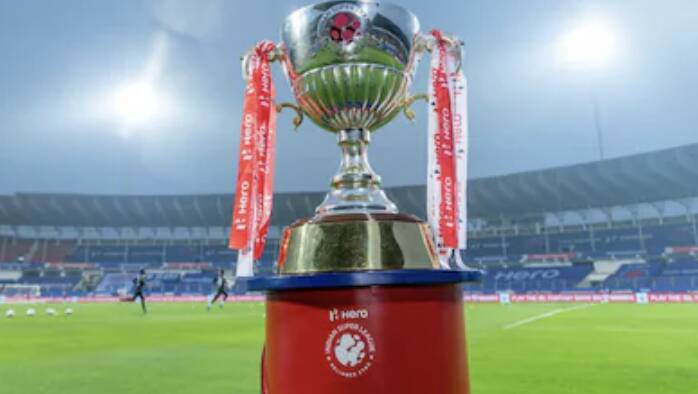
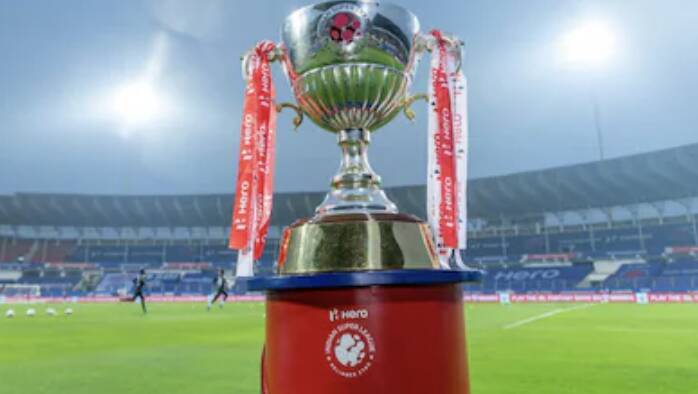
The Indian Super League (ISL) has been facing a multitude of challenges in recent times, with the 2025-2026 season being delayed due to various reasons. However, in a recent development, thirteen out of the fourteen ISL clubs have come together to put forth certain demands to the All India Football Federation (AIFF) in order to participate in the upcoming season. The clubs have stated that they “may be ready and willing” to take part in the delayed season, but only if their demands are met.
The primary demand of the clubs is that there should be no participation fee for the upcoming season. This is a significant ask, considering that the participation fee is a substantial revenue stream for the ISL. However, the clubs are of the opinion that the current financial climate does not permit them to pay such a fee, and that the AIFF should bear the costs instead.
In addition to the waiver of the participation fee, the clubs have also requested that the AIFF cover their operational costs for the season. This would include expenses such as player salaries, stadium rentals, and other miscellaneous costs. The clubs believe that this is essential in order to ensure that they can participate in the season without incurring significant financial losses.
The clubs have also requested a clear and time-bound roadmap for the league’s long-term commercial, governance, and financially sustainable structure. This is a crucial ask, considering that the ISL has been plagued by financial instability and governance issues in the past. The clubs believe that a clear roadmap would help to provide a sense of direction and stability, and would enable them to plan for the future with greater certainty.
The demands of the clubs are not unreasonable, considering the current state of Indian football. The sport has been facing significant challenges in recent times, including a decline in popularity and a lack of investment. The ISL, which was launched in 2014, was seen as a way to revitalize the sport and bring in new fans. However, the league has struggled to gain traction, and the clubs have faced significant financial challenges.
The AIFF, which is the governing body for football in India, has a significant role to play in addressing the demands of the clubs. The federation has the power to waive the participation fee and cover the operational costs of the clubs, and it is likely that they will be forced to consider the demands of the clubs if they want the season to go ahead.
The ISL has been delayed several times in the past, and it is essential that the AIFF and the clubs work together to ensure that the season goes ahead as planned. The league has the potential to be a significant success, but it needs the support of all stakeholders, including the clubs, the AIFF, and the fans.
In conclusion, the demands of the ISL clubs are a significant development in the world of Indian football. The clubs are seeking a waiver of the participation fee and coverage of their operational costs, as well as a clear roadmap for the league’s long-term structure. The AIFF has a significant role to play in addressing these demands, and it is likely that they will be forced to consider the asks of the clubs if they want the season to go ahead. The future of the ISL hangs in the balance, and it will be interesting to see how the situation unfolds in the coming weeks and months.
The demands of the clubs are a clear indication of the challenges facing Indian football, and the need for a clear and sustainable structure for the sport. The AIFF and the clubs must work together to address these challenges and ensure that the ISL is a success. The fans of Indian football will be watching with bated breath as the situation unfolds, and it is essential that all stakeholders work together to ensure that the sport emerges stronger and more sustainable in the long term.
The road ahead will not be easy, but it is essential that the AIFF and the clubs take a long-term view and work together to address the challenges facing the sport. The ISL has the potential to be a significant success, but it needs the support of all stakeholders, including the clubs, the AIFF, and the fans. With a clear and sustainable structure in place, Indian football can emerge stronger and more vibrant, and the ISL can fulfill its potential as a premier football league.
News Source: https://repository.inshorts.com/articles/en/PTI/292a827d-c3c4-4cd5-a4cf-6feefaf14e41
About the Author