B’desh not same as Pakistan: Ex-BCCI official on Mustafizur issue
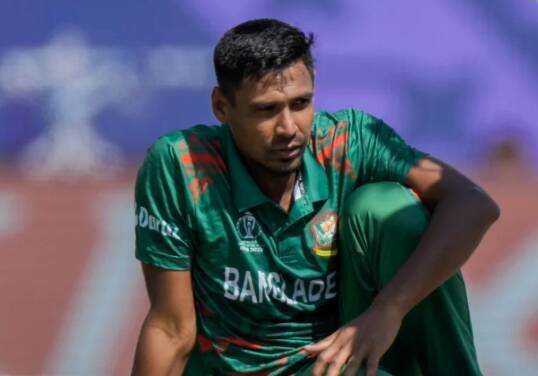
The recent directive from the Board of Control for Cricket in India (BCCI) to the Kolkata Knight Riders (KKR) to release Bangladeshi pacer Mustafizur Rahman from their IPL 2026 squad has sparked a heated debate in the cricketing world. The decision has been met with criticism from various quarters, with many questioning the fairness and logic behind it. One such critic is a former BCCI official, who has come out strongly against the decision, stating that Bangladesh is not the same as Pakistan and should not be treated as an enemy nation.
The BCCI’s directive to KKR to release Mustafizur Rahman was reportedly in response to the recent incidents of violence and vandalism in Bangladesh, which targeted Indian interests and properties. However, the former BCCI official has argued that this is not a valid reason to penalize the entire nation and its cricketers. “What happened in Bangladesh was wrong, but those were mobs…such elements exist everywhere,” the official said. “You can’t punish the entire country for the actions of a few misguided individuals.”
The official also pointed out that India is scheduled to host Bangladesh in the upcoming T20 World Cup, which makes the decision to release Mustafizur Rahman even more puzzling. “If we are going to host Bangladesh in the T20 World Cup, then what is the logic behind asking KKR to release Mustafizur Rahman?” the official asked. “Is it fair to treat Bangladesh as an enemy nation? I think not.”
The former BCCI official’s comments have highlighted the complexities and nuances of the issue, which goes beyond a simple case of cricketing politics. The relationship between India and Bangladesh is a delicate one, with historical, cultural, and economic ties that bind the two nations together. While there have been instances of tension and conflict between the two countries, it is unfair to generalize and stereotype an entire nation based on the actions of a few individuals or groups.
Moreover, the decision to release Mustafizur Rahman has also raised questions about the BCCI’s consistency and fairness in dealing with cricketing nations. If the BCCI is going to take a strong stance against Bangladesh, then should it not also take a similar stance against other countries that have been involved in similar incidents? The official’s comments have also sparked a debate about the role of cricket in promoting diplomacy and people-to-people contact between nations.
The issue has also highlighted the importance of cricket as a tool for building bridges and fostering greater understanding between nations. Cricket has long been a source of passion and pride for both India and Bangladesh, and the sport has played a significant role in promoting people-to-people contact and cultural exchange between the two countries. By taking a hardline stance against Bangladesh, the BCCI may be inadvertently undermining the very fabric of cricketing diplomacy that has been built over the years.
In conclusion, the controversy surrounding Mustafizur Rahman’s release from the KKR squad has raised important questions about the BCCI’s approach to cricketing diplomacy and its relationship with Bangladesh. While the incidents of violence and vandalism in Bangladesh were certainly regrettable, it is unfair to penalize the entire nation and its cricketers for the actions of a few individuals. The former BCCI official’s comments have highlighted the need for a more nuanced and balanced approach to cricketing diplomacy, one that takes into account the complexities and sensitivities of the India-Bangladesh relationship.
As the cricketing world waits with bated breath for the outcome of this controversy, one thing is clear: the issue goes beyond a simple case of cricketing politics and has far-reaching implications for the future of India-Bangladesh relations. The BCCI would do well to take a more thoughtful and considered approach to the issue, one that balances the need to protect Indian interests with the need to promote cricketing diplomacy and people-to-people contact between nations.
About the Author