B’desh not same as Pakistan: Ex-BCCI official on Mustafizur issue
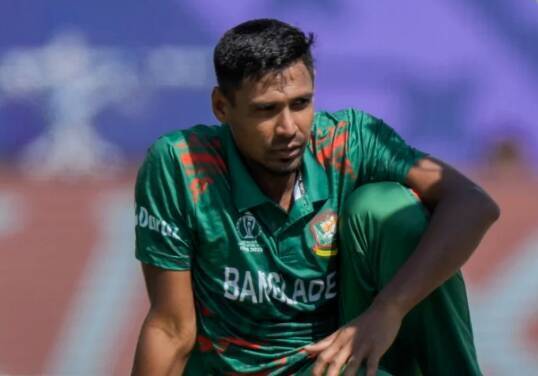
The recent directive from the Board of Control for Cricket in India (BCCI) to the Kolkata Knight Riders (KKR) to release Bangladesh’s Mustafizur Rahman from their IPL 2026 squad has sparked a heated debate in the cricketing world. The decision, which has been met with widespread criticism, has been questioned by a former BCCI official, who has argued that Bangladesh should not be treated in the same manner as Pakistan.
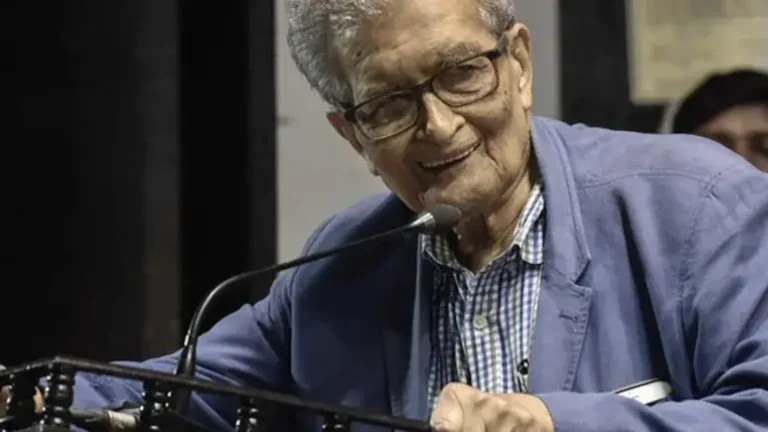
The controversy surrounding Mustafizur Rahman’s release from the KKR squad stems from a recent incident in Bangladesh, where a few isolated incidents of violence and vandalism were reported. However, the former BCCI official has pointed out that these incidents were perpetrated by mobs and do not reflect the sentiment of the entire nation. “What happened in Bangladesh was wrong, but those were mobs…such elements exist everywhere,” the official said, emphasizing that Bangladesh should not be held accountable for the actions of a few rogue individuals.
The official’s comments have highlighted the need for a more nuanced approach to international relations, particularly in the context of sports. By equating Bangladesh with Pakistan, the BCCI’s directive has been seen as unfair and discriminatory. The official has argued that Bangladesh is not an enemy nation and that the two countries have a long history of cooperation and friendship.
Moreover, the timing of the BCCI’s directive has raised eyebrows, given that India is set to host Bangladesh in the upcoming T20 World Cup. The official has questioned the fairness of the decision, pointing out that it is inconsistent with the spirit of sportsmanship and camaraderie that is expected to prevail in international sporting events. “If we are going to host Bangladesh in the T20 World Cup, then why are we treating their players in this manner?” the official asked, highlighting the contradictions in the BCCI’s stance.
The controversy surrounding Mustafizur Rahman’s release has also sparked a wider debate about the role of politics in sports. While it is understandable that governments and sporting bodies may have concerns about player safety and security, it is equally important to ensure that these concerns are not used as a pretext for discriminatory behavior. The former BCCI official has argued that the BCCI’s directive is a classic example of politics being used to dictate sporting decisions, which can have far-reaching consequences for the game as a whole.
In recent years, the Indian Premier League (IPL) has emerged as one of the most popular and successful T20 leagues in the world, attracting top talent from across the globe. However, the controversy surrounding Mustafizur Rahman’s release has raised questions about the league’s commitment to fairness and inclusivity. The former BCCI official has argued that the IPL’s reputation as a premier sporting event is at stake, and that the league must take a more proactive approach to addressing issues of discrimination and bias.
As the debate surrounding Mustafizur Rahman’s release continues to unfold, it is clear that the issue is not just about one player or one team, but about the broader principles of sportsmanship and fair play. The former BCCI official’s comments have highlighted the need for a more nuanced approach to international relations, one that recognizes the complexities and diversity of different nations and cultures.
In conclusion, the controversy surrounding Mustafizur Rahman’s release from the KKR squad has sparked a wider debate about the role of politics in sports and the need for a more nuanced approach to international relations. The former BCCI official’s comments have emphasized that Bangladesh is not the same as Pakistan and that the two countries should not be treated in the same manner. As the IPL and the BCCI navigate this complex issue, it is essential that they prioritize fairness, inclusivity, and sportsmanship, and recognize the importance of promoting goodwill and cooperation between nations.
About the Author