B’desh not same as Pakistan: Ex-BCCI official on Mustafizur issue
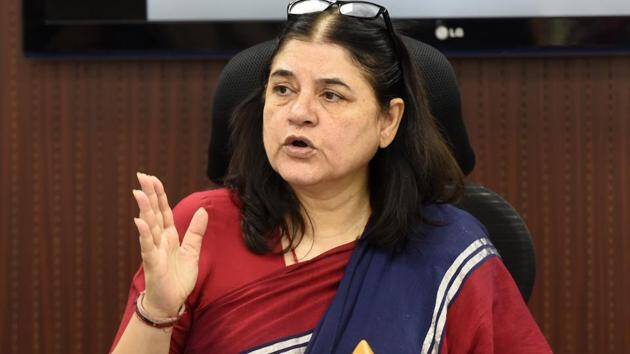
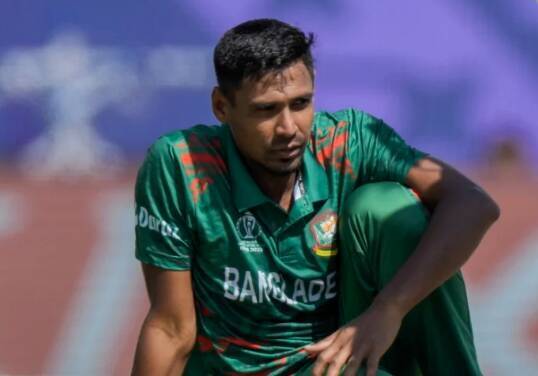
The recent directive from the Board of Control for Cricket in India (BCCI) asking the Kolkata Knight Riders (KKR) to release Bangladesh’s Mustafizur Rahman from their Indian Premier League (IPL) 2026 squad has sparked a heated debate. The decision has been met with criticism from various quarters, with many questioning the fairness and rationale behind it. One such critic is a former BCCI official, who has come out strongly against the move, arguing that Bangladesh is not the same as Pakistan and should not be treated as an enemy nation.
The controversy surrounding Mustafizur’s release from the KKR squad began after a series of violent protests and attacks on Hindu temples and communities in Bangladesh. The BCCI, in response to these incidents, asked the KKR to release Mustafizur from their squad, citing concerns over the safety and well-being of Indian players and citizens. However, the former BCCI official has questioned the logic behind this decision, pointing out that Bangladesh is a separate and distinct nation from Pakistan, with its own unique cultural, social, and political context.
The official’s criticism is not unfounded, given the fact that India and Bangladesh have a long-standing relationship based on mutual respect and cooperation. The two countries have a shared history, cultural ties, and a strong economic partnership, which has been strengthened over the years through various diplomatic and economic initiatives. Moreover, Bangladesh has been a key player in regional organizations such as the South Asian Association for Regional Cooperation (SAARC) and the Bay of Bengal Initiative for Multi-Sectoral Technical and Economic Cooperation (BIMSTEC), which aim to promote economic cooperation, social progress, and cultural exchange among member states.
The former BCCI official has also cited the upcoming T20 World Cup, which India will host, and where Bangladesh is scheduled to participate. The official has questioned the fairness of the decision to release Mustafizur from the KKR squad, given that Bangladesh will be playing in the tournament alongside other international teams, including India. “What happened in Bangladesh was wrong, but those were mobs…such elements exist everywhere,” the official added, highlighting the fact that violent protests and attacks can occur in any country, and that it is not fair to tar an entire nation with the same brush.
The official’s comments have sparked a wider debate about the nature of India’s relationships with its neighboring countries, particularly Bangladesh and Pakistan. While Pakistan has been a longstanding rival and nemesis of India, Bangladesh has traditionally been seen as a friendly and cooperative neighbor. The decision to release Mustafizur from the KKR squad has been perceived by some as an overreaction, which could potentially damage the delicate balance of India’s relationships with its neighbors.
Furthermore, the move has also raised questions about the role of sports in promoting diplomacy and international cooperation. The IPL is a premier international cricket tournament, which brings together players and teams from around the world. The decision to release Mustafizur from the KKR squad has been seen as a setback to the spirit of sportsmanship and international cooperation that the tournament embodies.
In conclusion, the controversy surrounding Mustafizur’s release from the KKR squad has highlighted the complexities and nuances of India’s relationships with its neighboring countries. While the incidents of violence and attacks on Hindu temples and communities in Bangladesh are condemnable, it is not fair to treat Bangladesh as an enemy nation or to penalize its citizens for the actions of a few extremist elements. The former BCCI official’s criticism of the BCCI directive is a timely reminder of the need for nuance and balance in our international relationships, and the importance of promoting sportsmanship and cooperation in the pursuit of national interests.
About the Author