B’desh not same as Pakistan: Ex-BCCI official on Mustafizur issue
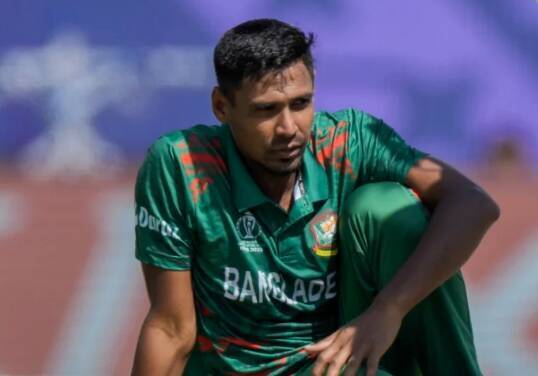
The world of cricket has been abuzz with the recent controversy surrounding Bangladesh’s ace pacer Mustafizur Rahman and the Indian Premier League (IPL). In a shocking move, the Board of Control for Cricket in India (BCCI) directed the Kolkata Knight Riders (KKR) to release Mustafizur from their IPL 2026 squad. This decision has sparked a heated debate, with many questioning the fairness and logic behind it. A former BCCI official has now weighed in on the issue, criticizing the BCCI’s directive and highlighting the distinction between Bangladesh and Pakistan.
The controversy began when a section of Indian fans and media outlets called for Mustafizur’s removal from the KKR squad, citing the recent violence against Hindus in Bangladesh. However, the former BCCI official has argued that Bangladesh should not be equated with Pakistan, emphasizing that the two countries have distinct identities and relationships with India. “Bangladesh is not the same as Pakistan,” the official stated, “and it’s not an enemy nation. We should not treat them as such.”
The official’s comments are particularly relevant in the context of the upcoming T20 World Cup, which India will host, and where Bangladesh is one of the participating teams. The official questioned the fairness of the BCCI’s decision, given that India will be hosting Bangladesh in the tournament. “What message are we sending to Bangladesh by asking KKR to release Mustafizur?” the official asked. “Are we saying that we don’t want to engage with them, even in a sporting context?”
The official also emphasized that the recent violence against Hindus in Bangladesh was perpetrated by mobs and extremist elements, which exist in every country. “What happened in Bangladesh was wrong, but those were mobs…such elements exist everywhere,” the official added. This perspective highlights the importance of distinguishing between the actions of a few individuals and the entire nation.
The BCCI’s decision to direct KKR to release Mustafizur has been seen by many as an overreaction, driven by political and emotional considerations rather than a genuine concern for the player’s well-being or the team’s performance. The former BCCI official’s comments suggest that the board’s move may have been motivated by a desire to appease certain sections of Indian society, rather than a careful consideration of the facts and the potential consequences.
The Mustafizur controversy has also raised questions about the role of sports in promoting diplomacy and people-to-people engagement between nations. Cricket, in particular, has long been seen as a bridge between India and its neighbors, including Bangladesh and Pakistan. By targeting a Bangladeshi player, the BCCI’s decision may have inadvertently undermined this process, creating unnecessary tensions and reinforcing negative stereotypes.
As the debate surrounding Mustafizur’s release continues, it is essential to consider the broader implications of the BCCI’s decision. Will this move set a precedent for future interactions between Indian and Bangladeshi teams, or will it be seen as an isolated incident? How will this affect the relationship between the two countries, both on and off the field?
Ultimately, the former BCCI official’s comments serve as a reminder that sports and politics should be kept separate, and that decisions should be made based on fairness, logic, and a deep understanding of the complexities involved. By recognizing the distinction between Bangladesh and Pakistan, and by engaging with the former in a spirit of friendship and cooperation, India can promote a more positive and constructive relationship with its eastern neighbor.
In conclusion, the Mustafizur controversy has highlighted the need for a more nuanced and informed approach to international relations, particularly in the context of sports. By listening to the perspectives of experienced officials and considering the potential consequences of their actions, the BCCI and other governing bodies can work towards creating a more harmonious and inclusive sporting environment, where players from all nations can participate and thrive.
About the Author