Women are better at recognising illness in faces than men: Study
The ability to recognize illness in others is an essential skill that can help prevent the spread of diseases and provide timely support to those in need. While it may seem like a simple task, recognizing illness can be a complex process that involves subtle cues and observations. A recent study has shed light on the differences in how men and women recognize illness in the faces of others, and the findings are fascinating.
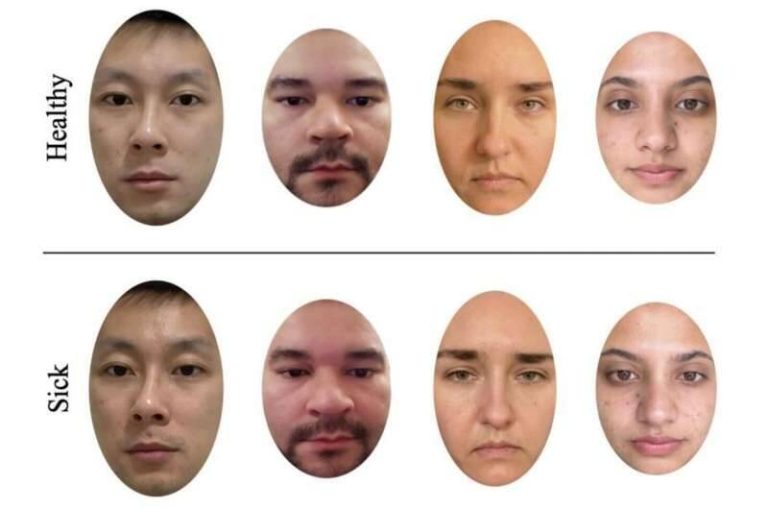
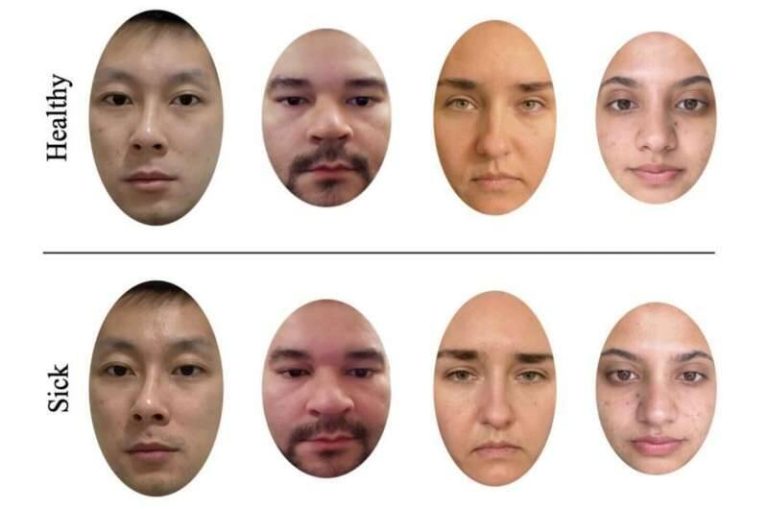
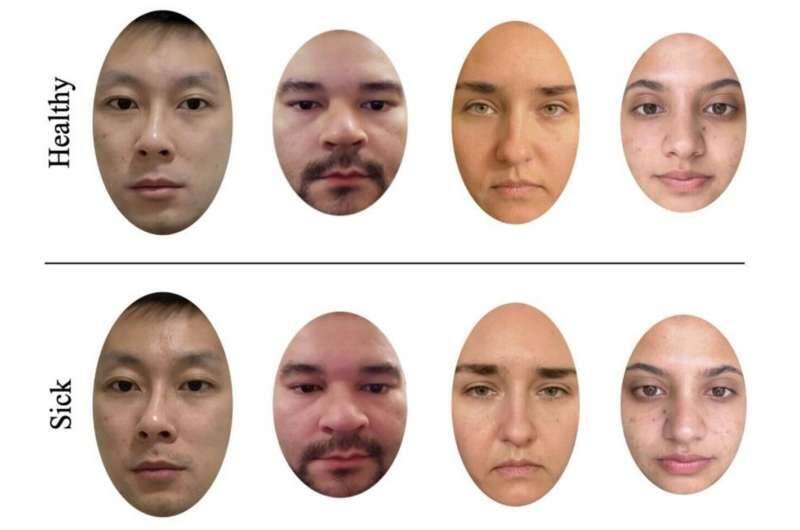
The study, which recruited 140 males and 140 females, asked participants to rate 24 photos of people in times of sickness and health. The results showed that women were significantly better at recognizing illness in the faces of sick people compared to men. But why is this the case? The study proposed two hypotheses to explain this difference.
Firstly, the study suggested that women may have evolved to detect illness better as they have traditionally taken on the role of caregivers, particularly for infants and children. This role requires a high level of vigilance and attention to subtle changes in behavior and appearance, which can be indicative of illness. Over time, this selective pressure may have favored the development of stronger illness-detection abilities in women.
Secondly, the study proposed that women may be more empathetic and attentive to social cues, which can also contribute to their ability to recognize illness. Women are often socialized to be more nurturing and caring, and this can lead to a greater awareness of the emotional and physical states of others. This increased empathy and social awareness can help women pick up on subtle signals of illness, such as changes in skin tone, eye color, or facial expressions.
The study’s findings have significant implications for our understanding of how men and women differ in their ability to recognize illness. The results suggest that women’s superior illness-detection abilities may be an adaptation that has evolved over time, driven by their traditional role as caregivers. This has important implications for fields such as medicine, where healthcare professionals need to be able to quickly and accurately diagnose illnesses.
The study’s findings also highlight the importance of considering the role of gender in illness detection. While men and women may differ in their ability to recognize illness, it’s essential to recognize that these differences are not absolute and can vary depending on the individual. By understanding these differences, we can develop more effective training programs for healthcare professionals and improve our overall ability to detect and respond to illnesses.
In addition to its implications for medicine, the study’s findings also have broader social implications. The fact that women are better at recognizing illness suggests that they may play a critical role in detecting and responding to public health crises. By leveraging women’s illness-detection abilities, we can develop more effective strategies for preventing the spread of diseases and providing support to those in need.
The study’s methodology was rigorous and well-designed, with a large sample size and a controlled experimental design. The use of photos to assess illness detection allowed the researchers to control for other factors that might influence the results, such as verbal cues or contextual information. The study’s findings are also consistent with previous research on gender differences in empathy and social cognition, which suggests that women tend to be more empathetic and attentive to social cues.
In conclusion, the study’s findings suggest that women are better at recognizing illness in faces than men, and this difference may be due to a combination of evolutionary and social factors. The study’s results have significant implications for our understanding of illness detection and response, and highlight the importance of considering the role of gender in these processes. By recognizing and leveraging women’s illness-detection abilities, we can develop more effective strategies for preventing the spread of diseases and providing support to those in need.
News source: https://www.sciencedirect.com/science/article/abs/pii/S1090513825001527
About the Author