Women are better at recognising illness in faces than men: Study
The ability to recognize illness in others is a crucial aspect of human interaction, particularly in the context of healthcare and social relationships. A recent study has shed light on the differences in this ability between men and women, revealing that women are better at recognizing illness in the faces of sick people compared to men. This fascinating finding has significant implications for our understanding of human behavior, social dynamics, and the role of evolution in shaping our cognitive abilities.
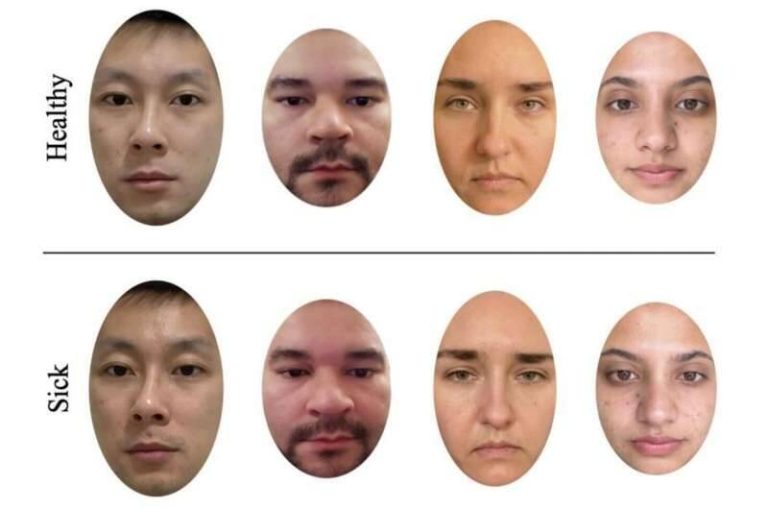
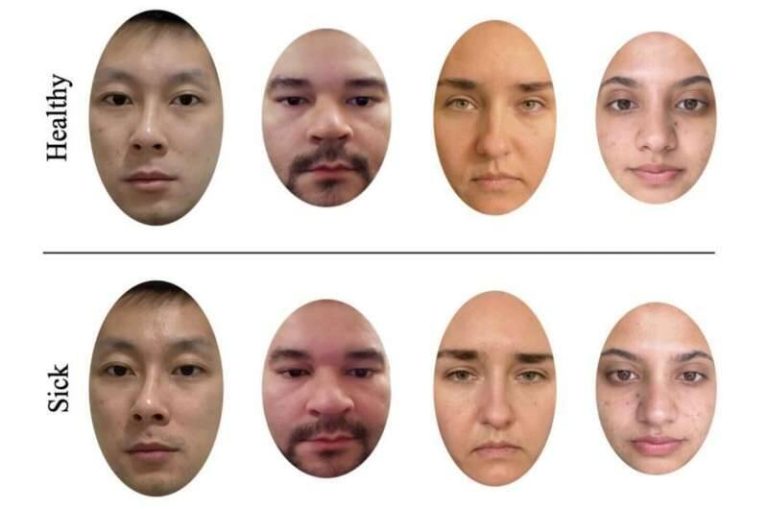
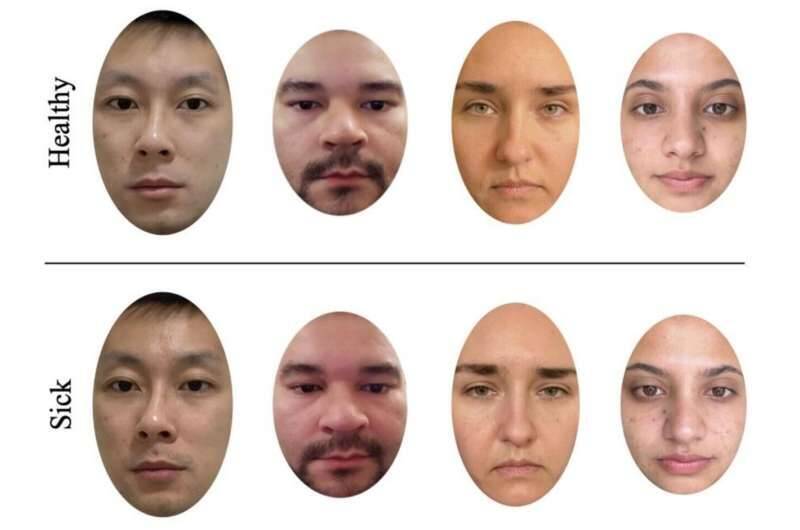
The study, which recruited 140 males and 140 females, asked participants to rate 24 photos of individuals in times of sickness and health. The photos were carefully selected to depict a range of illnesses, from mild to severe, and the participants were tasked with identifying which individuals appeared sick and which appeared healthy. The results showed that women were consistently better at recognizing illness in the faces of sick people, with a higher accuracy rate compared to men.
But why do women possess this advantage? The study proposed two hypotheses to explain this phenomenon. Firstly, it suggested that women may have evolved to detect illness better as they took care of infants and young children, who are more susceptible to illness and require constant monitoring. This evolutionary pressure may have favored the development of cognitive abilities that enable women to recognize subtle changes in facial expressions and other visual cues that indicate illness.
Secondly, the study proposed that women may be more empathetic and attentive to social cues, which could also contribute to their ability to recognize illness in others. Women are often socialized to be more nurturing and caring, and this may have led to the development of enhanced cognitive abilities that enable them to pick up on subtle changes in others’ behavior and appearance.
The findings of this study have significant implications for our understanding of human behavior and social dynamics. For instance, they suggest that women may be more effective caregivers and healthcare providers, as they are better equipped to recognize and respond to the needs of sick individuals. Additionally, the study highlights the importance of empathy and social cognition in human relationships, and suggests that women may have an advantage in these areas.
The study also raises interesting questions about the role of evolution in shaping our cognitive abilities. If women have evolved to detect illness better due to their role in caring for infants and young children, this suggests that our cognitive abilities are highly adaptable and can be shaped by the demands of our environment. This has significant implications for our understanding of human evolution and the development of cognitive abilities.
Furthermore, the study highlights the importance of considering sex differences in cognitive abilities and behavior. While there is often a tendency to assume that men and women are identical in terms of their cognitive abilities, this study suggests that there may be significant differences between the sexes. By recognizing and understanding these differences, we can better tailor our approaches to healthcare, education, and social relationships to meet the unique needs of men and women.
In conclusion, the study’s finding that women are better at recognizing illness in faces than men is a fascinating and significant discovery. The proposed hypotheses, which suggest that women may have evolved to detect illness better due to their role in caring for infants and young children, and that women may be more empathetic and attentive to social cues, provide a compelling explanation for this phenomenon. The implications of this study are far-reaching, and highlight the importance of considering sex differences in cognitive abilities and behavior.
As we continue to explore the complexities of human behavior and cognition, it is essential to recognize and appreciate the unique strengths and abilities of both men and women. By doing so, we can work towards creating a more inclusive and effective healthcare system, and foster stronger, more empathetic social relationships.
News Source: https://www.sciencedirect.com/science/article/abs/pii/S1090513825001527
About the Author