Women are better at recognising illness in faces than men: Study
The ability to recognize illness in others is a crucial aspect of human interaction, particularly in the context of healthcare and social relationships. A recent study has shed light on the differences in how men and women perceive and recognize illness in the faces of others. The findings suggest that women are better at recognizing illness in faces than men, and this difference may have evolutionary roots.
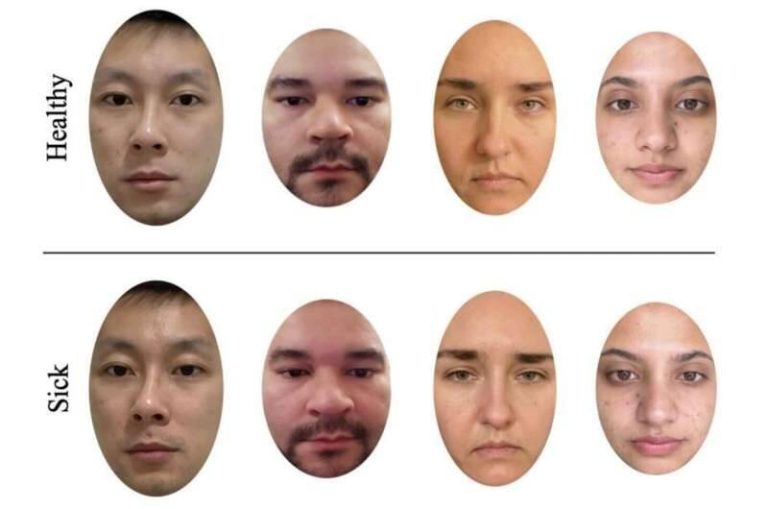
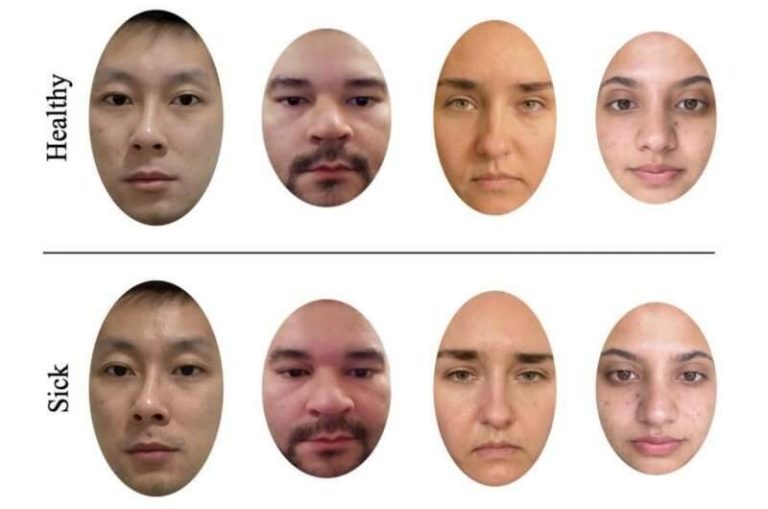
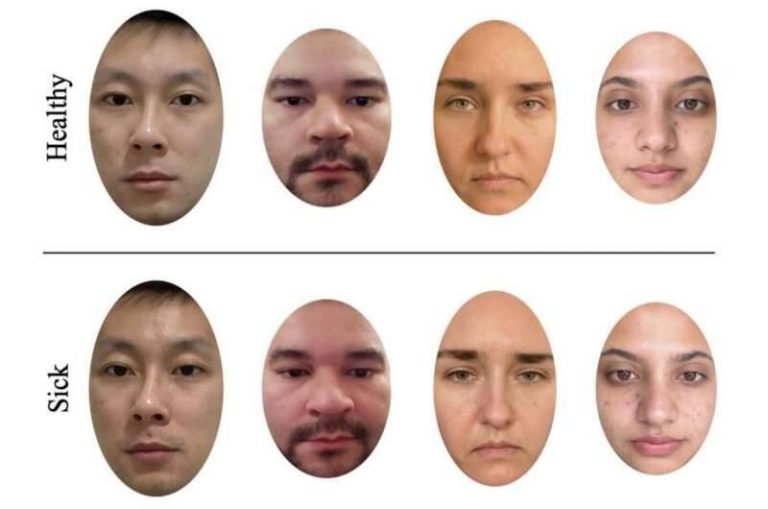
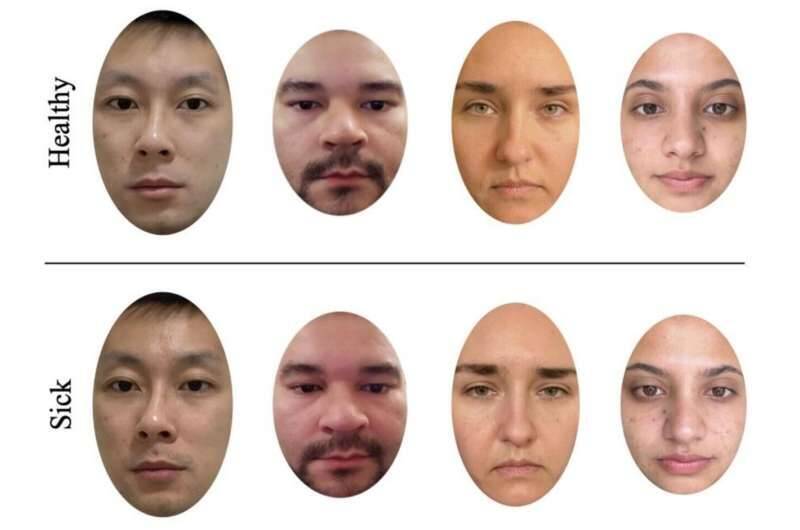
The study, which involved 140 males and 140 females, asked participants to rate 24 photos of individuals in times of sickness and health. The photos were carefully selected to ensure that the only difference between the “sick” and “healthy” versions was the presence or absence of subtle cues of illness, such as pale skin, dark circles under the eyes, or a slightly flushed complexion. The participants were then asked to rate the photos on a scale of 1 to 10, with 1 indicating that the person looked very healthy and 10 indicating that they looked very ill.
The results of the study showed that women were significantly better at recognizing illness in the faces of others than men. On average, women correctly identified 75% of the “sick” photos, while men correctly identified only 55%. This difference was statistically significant, suggesting that women have a more developed ability to detect subtle cues of illness in the faces of others.
The study proposed two hypotheses to explain why women might be better at recognizing illness in faces than men. The first hypothesis is that women may have evolved to detect illness better as they took care of infants and young children, who are more susceptible to illness and require more care and attention. This hypothesis is supported by research in evolutionary psychology, which suggests that women have a more developed ability to recognize and respond to the needs of others, particularly in the context of caregiving.
The second hypothesis is that women may be more attuned to social cues and more empathetic than men, which would allow them to better recognize and respond to the emotional and physical needs of others. This hypothesis is supported by research in social psychology, which suggests that women are more likely to engage in empathetic and prosocial behaviors, such as volunteering and donating to charity.
The findings of this study have important implications for our understanding of human social behavior and the role of women in healthcare and caregiving. They suggest that women may be more effective at recognizing and responding to the needs of others, particularly in the context of illness and disease. This could have important implications for the development of healthcare policies and programs, particularly those that aim to promote early detection and treatment of illness.
The study also highlights the importance of considering the role of evolution in shaping human behavior and cognition. The finding that women are better at recognizing illness in faces than men suggests that there may be an evolutionary basis for this difference, and that women may have developed this ability over time as a result of their role in caregiving and childcare.
In conclusion, the study provides evidence that women are better at recognizing illness in faces than men, and that this difference may have evolutionary roots. The findings have important implications for our understanding of human social behavior and the role of women in healthcare and caregiving. Further research is needed to fully understand the mechanisms underlying this difference and to explore the implications of these findings for healthcare policy and practice.
For more information on this study, please visit: https://www.sciencedirect.com/science/article/abs/pii/S1090513825001527
About the Author