Women are better at recognising illness in faces than men: Study
The ability to detect illness in others is a crucial aspect of human interaction, particularly in social and healthcare settings. A recent study has shed light on the differences in how men and women perceive and recognize illness in facial expressions. The findings suggest that women are better at identifying sickness in the faces of individuals compared to men. This discovery has significant implications for our understanding of social cognition, healthcare, and the role of gender in disease detection.
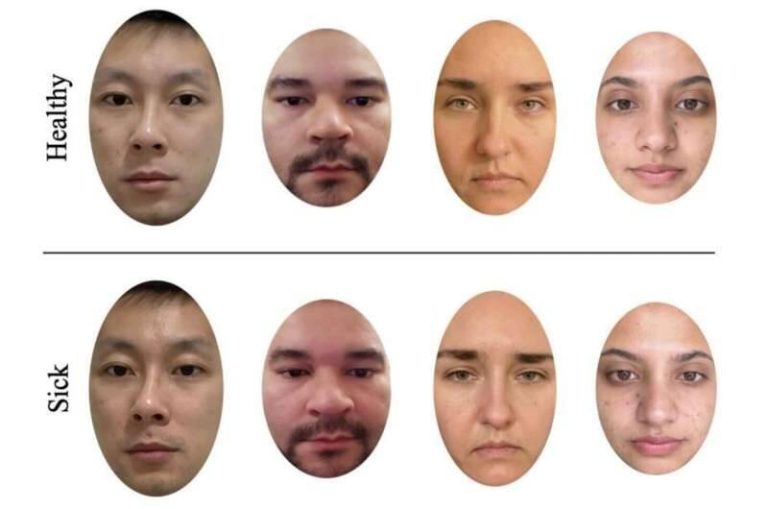
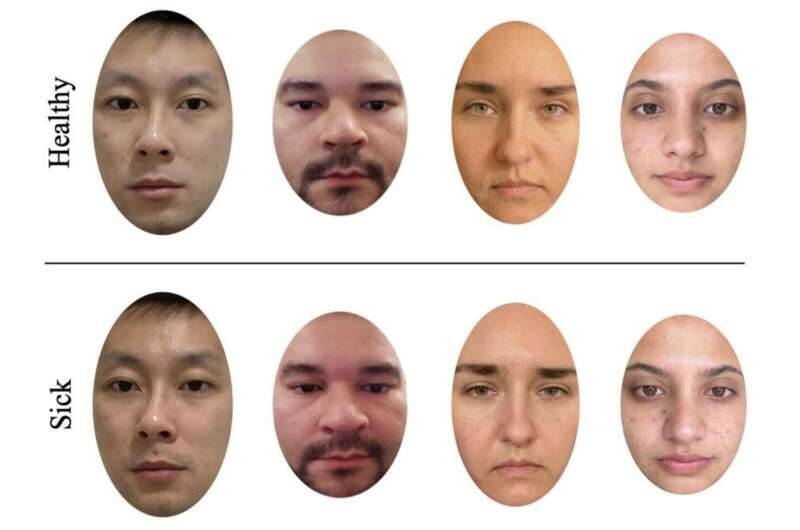
The study, which involved a total of 280 participants (140 males and 140 females), aimed to investigate the differences in how men and women recognize illness in facial expressions. The researchers presented the participants with 24 photographs of individuals, taken during times of sickness and health. The participants were then asked to rate the health status of the individuals in the photographs. The results showed that women were more accurate in detecting illness in the faces of sick individuals compared to men.
The study proposed two hypotheses to explain why women might be better at recognizing illness in faces. The first hypothesis suggests that women may have evolved to detect illness better due to their traditional role in caring for infants and children. Throughout history, women have been primarily responsible for nurturing and caring for their offspring, which would have required them to be highly attuned to their children’s health status. This evolutionary pressure may have led to the development of a more sensitive and accurate ability to detect illness in others.
The second hypothesis proposes that women may be better at recognizing illness due to their greater emotional sensitivity and empathy. Women are often socialized to be more emotionally expressive and empathetic, which may enable them to pick up on subtle cues in facial expressions that indicate illness. This heightened emotional sensitivity could allow women to detect illness more accurately, even when the symptoms are subtle or not immediately apparent.
The findings of this study have significant implications for our understanding of social cognition and healthcare. In healthcare settings, the ability to detect illness quickly and accurately is crucial for providing effective treatment and care. The fact that women are better at recognizing illness in faces suggests that they may be more effective at providing care and support to patients, particularly in situations where the patient is unable to communicate their symptoms effectively.
Furthermore, the study’s findings have implications for our understanding of the role of gender in disease detection. The fact that women are more accurate at detecting illness in faces suggests that they may be more effective at identifying and responding to health threats in their social environment. This could have significant implications for public health initiatives, which often rely on individuals to detect and respond to health threats in their communities.
The study’s findings also have implications for our understanding of the neural mechanisms underlying disease detection. The ability to detect illness in faces is a complex process that involves multiple cognitive and neural systems, including attention, perception, and memory. The fact that women are better at recognizing illness in faces suggests that there may be sex differences in the neural mechanisms underlying disease detection, which could have significant implications for our understanding of the neural basis of social cognition.
In conclusion, the study’s findings suggest that women are better at recognizing illness in faces than men. The proposed hypotheses, which suggest that women may have evolved to detect illness better due to their traditional role in caring for infants and children, or that they may be more emotionally sensitive and empathetic, provide a framework for understanding these differences. The implications of this study are significant, and further research is needed to fully understand the mechanisms underlying disease detection and the role of gender in this process.
The study’s findings have significant implications for healthcare, social cognition, and our understanding of the neural mechanisms underlying disease detection. As we continue to explore the complexities of human social cognition, it is essential to consider the role of gender in shaping our perceptions and responses to health threats. By understanding the differences in how men and women detect and respond to illness, we can develop more effective public health initiatives and improve healthcare outcomes for individuals and communities.
News Source: https://www.sciencedirect.com/science/article/abs/pii/S1090513825001527
About the Author