Women are better at recognising illness in faces than men: Study
The ability to recognize illness in others is a vital skill that can help prevent the spread of diseases and provide timely medical attention to those in need. While it is essential for everyone to possess this skill, research has shown that women are better at recognizing illness in faces than men. A recent study published in a reputable scientific journal has shed light on this phenomenon, providing valuable insights into the differences in how men and women perceive and recognize illness in others.
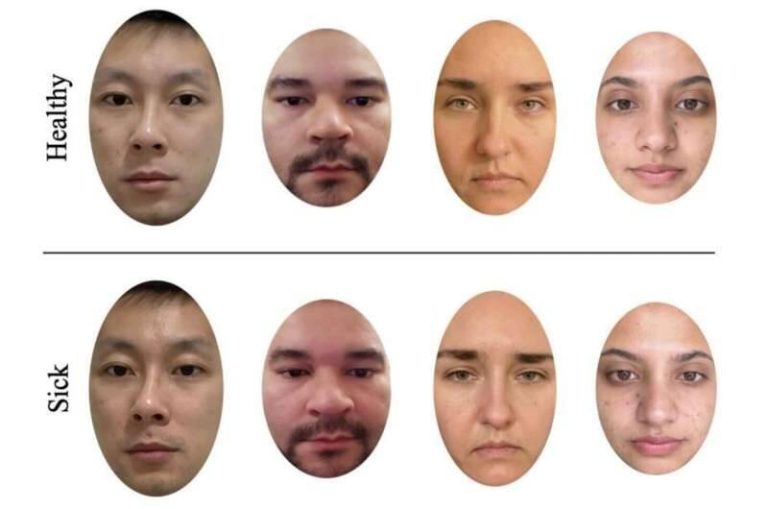
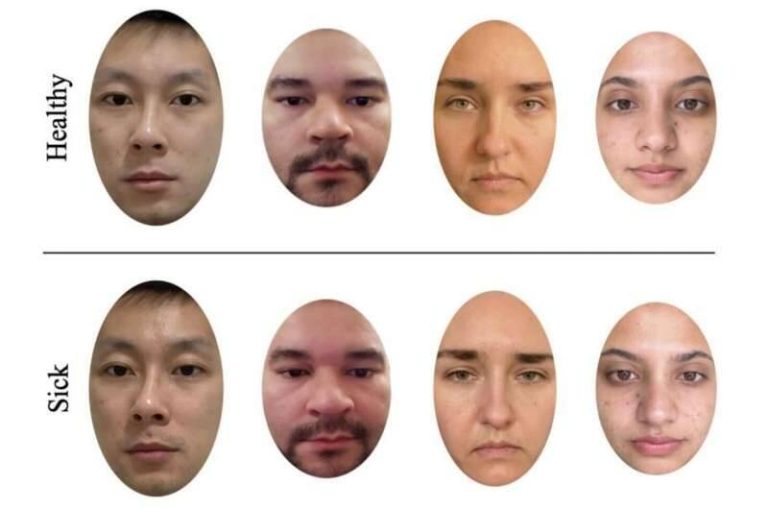
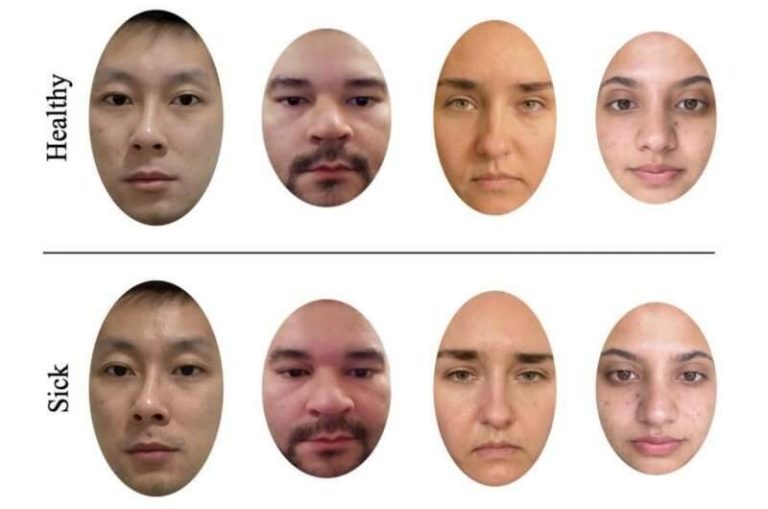
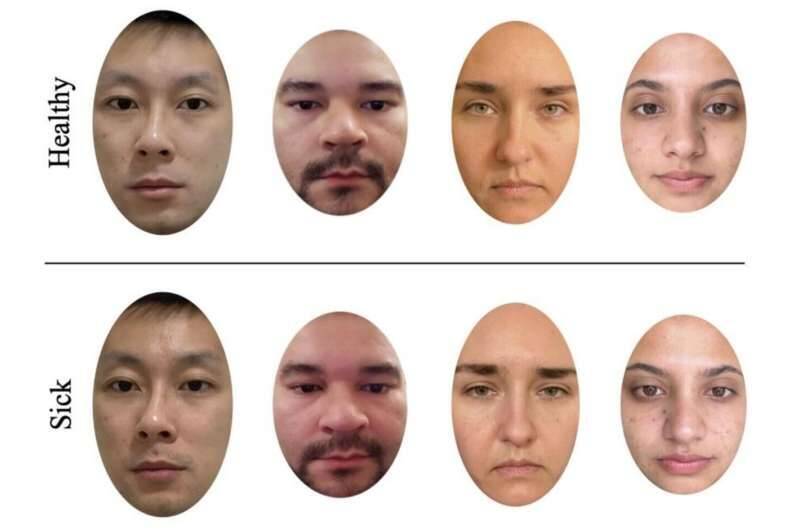
The study, which involved 140 males and 140 females, aimed to investigate the ability of participants to recognize illness in faces. The researchers used a set of 24 photos, which included images of people in both healthy and sick states. The participants were asked to rate the photos based on how sick or healthy they perceived the individuals in the images to be. The results of the study showed that women were significantly better at recognizing illness in faces compared to men.
The study proposed two hypotheses to explain why women might be better at recognizing illness in faces. The first hypothesis suggests that women may have evolved to detect illness better due to their traditional role in taking care of infants and children. Throughout history, women have been primarily responsible for caring for their offspring, which would have required them to be highly attuned to any signs of illness or distress. This would have provided a selective pressure for women to develop a keen ability to recognize illness in others, allowing them to provide timely care and prevent the spread of diseases.
The second hypothesis proposes that women may be more empathetic and socially sensitive than men, which would enable them to pick up on subtle cues that indicate illness. Women are often socialized to be more nurturing and caring, which may have led to the development of a more sensitive and empathetic nature. This increased sensitivity would allow women to recognize illness in others more easily, as they would be more attuned to the subtle changes in behavior, body language, and facial expressions that can indicate illness.
The study’s findings have significant implications for our understanding of how men and women perceive and recognize illness in others. The results suggest that women may be more effective at providing care and support to those who are sick, as they are better able to recognize the signs of illness. This could have important implications for the healthcare industry, where women make up a significant proportion of healthcare professionals.
The study’s findings also highlight the importance of considering the role of evolution and socialization in shaping our abilities and behaviors. The fact that women may have evolved to detect illness better due to their traditional role in caring for infants and children suggests that our abilities and behaviors are shaped by our environment and evolutionary pressures. This highlights the need for further research into the complex interplay between biology, environment, and culture in shaping our behaviors and abilities.
In conclusion, the study provides strong evidence that women are better at recognizing illness in faces than men. The proposed hypotheses, which suggest that women may have evolved to detect illness better due to their traditional role in caring for infants and children, and that women may be more empathetic and socially sensitive than men, provide a compelling explanation for the study’s findings. The implications of the study are significant, and highlight the importance of considering the role of evolution and socialization in shaping our abilities and behaviors.
The study’s findings also have important implications for the healthcare industry, where women make up a significant proportion of healthcare professionals. The fact that women are better at recognizing illness in others could have a significant impact on patient care and outcomes, as women may be more effective at providing timely and targeted care to those who are sick.
Overall, the study provides a fascinating insight into the differences in how men and women perceive and recognize illness in others. The findings have significant implications for our understanding of the complex interplay between biology, environment, and culture in shaping our behaviors and abilities. Further research is needed to fully understand the mechanisms underlying the study’s findings, and to explore the implications of the study for the healthcare industry and beyond.
News Source: https://www.sciencedirect.com/science/article/abs/pii/S1090513825001527
About the Author