Women are better at recognising illness in faces than men: Study
When it comes to recognizing illness in others, a recent study has found that women have a distinct advantage over men. The study, which involved 280 participants, discovered that women are more adept at detecting sickness in the faces of individuals who are unwell. This finding has significant implications for our understanding of the role of gender in disease detection and healthcare.
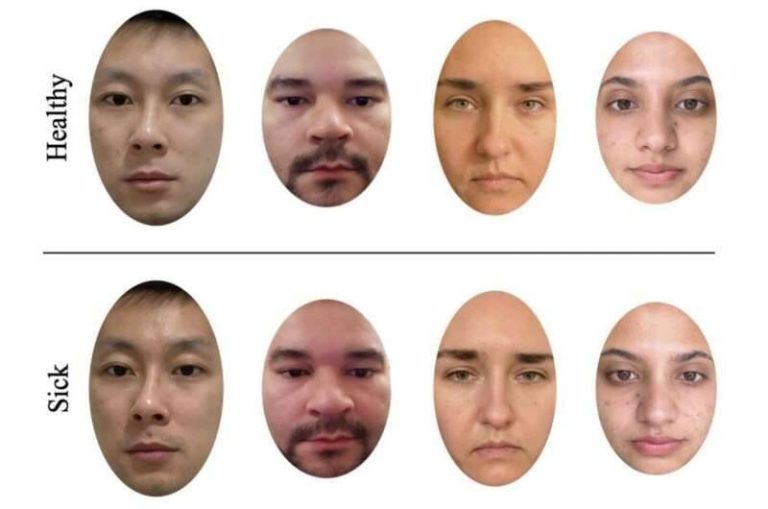
The study, which was conducted by a team of researchers, recruited 140 males and 140 females to participate in the experiment. Each participant was shown a series of 24 photos, which depicted individuals in both healthy and sick states. The participants were then asked to rate the health of each individual in the photos, with the goal of determining whether women or men were more accurate in their assessments.
The results of the study were striking, with women consistently outperforming men in their ability to recognize illness in the faces of others. The researchers proposed two possible explanations for this finding, both of which are rooted in evolutionary theory. Firstly, it is possible that women have evolved to be more sensitive to the visual cues of illness, as they have historically played a primary role in caring for infants and children. This would have required them to be highly attuned to the subtle signs of sickness, in order to provide effective care and prevent the spread of disease.
Secondly, the researchers suggested that women may have developed a greater ability to recognize illness due to their traditional role as caregivers in many societies. This would have given them more opportunities to observe and respond to the signs of sickness, allowing them to hone their skills and develop a more nuanced understanding of the visual cues that indicate illness. In contrast, men may have had fewer opportunities to develop these skills, as they have often played a more peripheral role in caregiving.
The study’s findings have significant implications for our understanding of the role of gender in disease detection and healthcare. For example, they suggest that women may be more effective at identifying illness in others, which could have important consequences for public health initiatives and disease prevention programs. Additionally, the study’s results highlight the importance of considering the role of gender in the development of healthcare policies and interventions, as women and men may have different strengths and weaknesses when it comes to recognizing and responding to illness.
The study’s methodology was rigorous and well-designed, with a large and diverse sample of participants. The use of photos to depict individuals in both healthy and sick states allowed the researchers to control for a range of variables, including the severity of the illness and the individual’s overall health. The results were also analyzed using a range of statistical techniques, which helped to ensure the accuracy and reliability of the findings.
One of the most interesting aspects of the study was its exploration of the potential evolutionary explanations for the observed gender difference in disease detection. The idea that women have evolved to be more sensitive to the visual cues of illness, due to their historical role in caring for infants and children, is a compelling one. It suggests that the human brain is highly adaptable, and that our cognitive abilities can be shaped by our evolutionary history and social context.
The study’s findings also have important implications for the development of artificial intelligence (AI) systems, which are increasingly being used in healthcare to detect and diagnose disease. If women are indeed better at recognizing illness in faces, then it may be possible to develop AI systems that can mimic this ability, using machine learning algorithms to analyze facial features and detect the signs of sickness. This could have significant consequences for the future of healthcare, allowing for more accurate and efficient diagnosis, and potentially saving countless lives.
In conclusion, the study’s finding that women are better at recognizing illness in faces than men is a significant one, with important implications for our understanding of the role of gender in disease detection and healthcare. The study’s results highlight the importance of considering the role of gender in the development of healthcare policies and interventions, and suggest that women may have a unique advantage when it comes to detecting illness in others. As we move forward in the development of AI systems and other healthcare technologies, it will be essential to take these findings into account, and to explore the potential applications of this research in a range of fields.
For more information on this study, please visit: https://www.sciencedirect.com/science/article/abs/pii/S1090513825001527
About the Author