Women are better at recognising illness in faces than men: Study
For centuries, it has been observed that women tend to have a more nurturing and caregiving nature compared to men. This is especially true when it comes to taking care of infants and young children. A recent study has shed some light on this phenomenon, suggesting that women may have evolved to detect illness better than men, particularly when it comes to recognising illness in faces. The study, which involved 280 participants, found that women are indeed better at recognising illness in the faces of sick people compared to men.
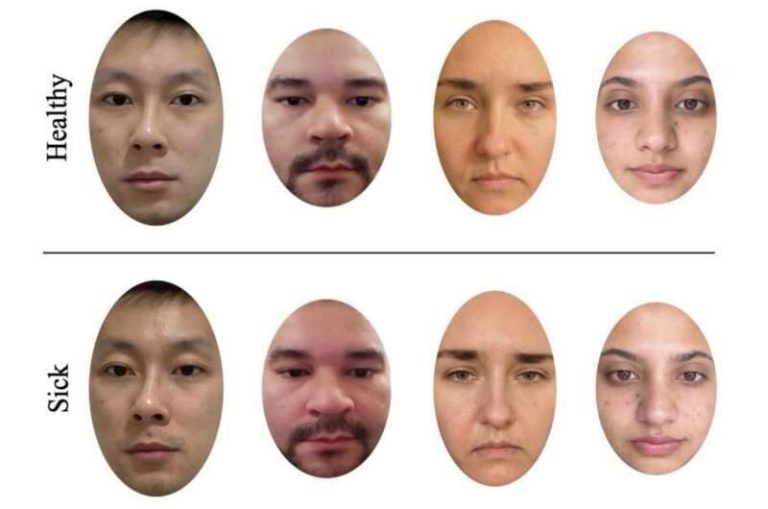
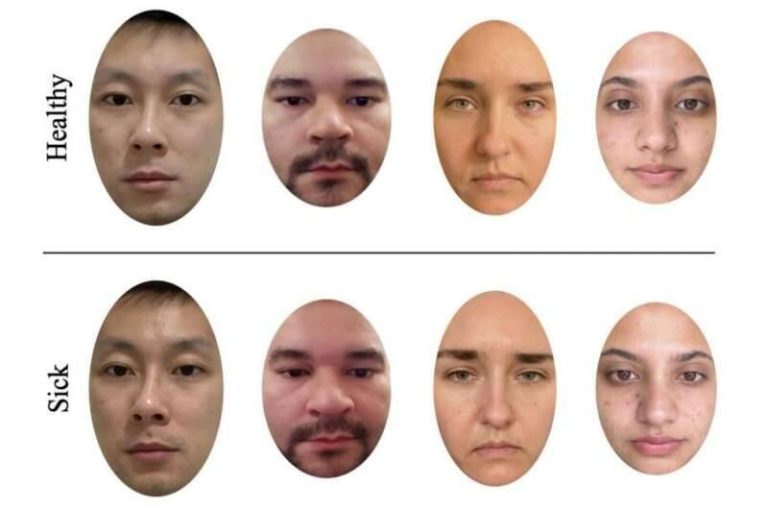
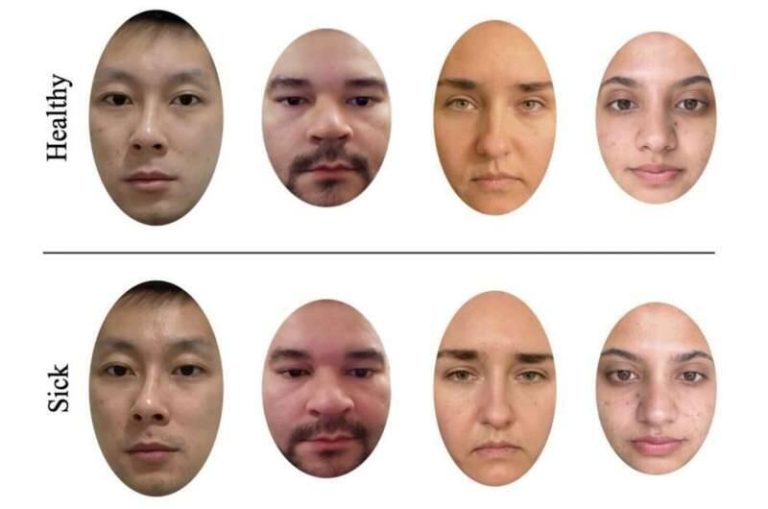
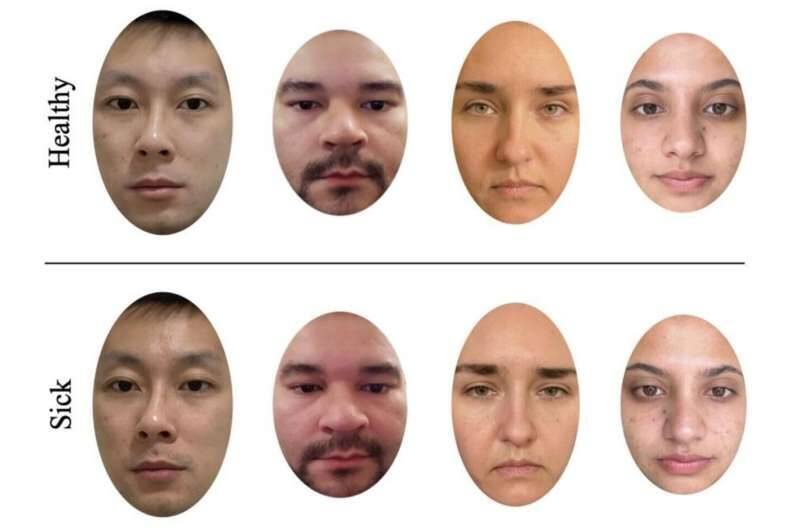
The study recruited 140 males and 140 females to participate in the experiment. Each participant was shown 24 photos of people, taken at times of sickness and health. The participants were then asked to rate the photos based on how sick or healthy they perceived the person in the photo to be. The results showed that women were significantly better at recognising illness in the faces of sick people, compared to men. This was true even when the participants were shown photos of people with subtle symptoms of illness, such as a slight fever or a mild cold.
The study proposed two hypotheses to explain why women might be better at recognising illness in faces. The first hypothesis is that women may have evolved to detect illness better as they took care of infants and young children. Throughout history, women have been the primary caregivers of children, and it would have been essential for them to be able to detect early signs of illness in their children in order to provide timely care and prevent the spread of disease. This would have given women an evolutionary advantage, as they would have been better able to protect their children and ensure their survival.
The second hypothesis proposed by the study is that women may be more empathetic and socially sensitive than men, which would allow them to pick up on subtle cues of illness in others. Women are often socialised to be more nurturing and caring, and this may have given them an advantage when it comes to recognising illness in others. This hypothesis is supported by previous studies, which have shown that women tend to be more empathetic and socially sensitive than men.
The findings of this study have significant implications for our understanding of the differences between men and women. They suggest that women may have an innate ability to detect illness in others, which could be an important factor in their role as caregivers. This could also have implications for the way we approach healthcare, as women may be better equipped to provide care and support to those who are sick.
The study also highlights the importance of facial cues in recognizing illness. The face is a highly expressive part of the body, and it can convey a wide range of emotions and physical states. By paying attention to facial cues, such as changes in skin tone, eye color, and facial expression, women may be able to detect early signs of illness in others. This could be especially important in cases where the illness is contagious, as early detection could help to prevent the spread of disease.
In addition to the hypotheses proposed by the study, there are other possible explanations for why women may be better at recognising illness in faces. For example, women may be more likely to pay attention to detail and to notice subtle changes in the appearance of others. They may also be more likely to have experience caring for sick children or family members, which could have given them an advantage when it comes to recognising illness.
Overall, the study provides new insights into the differences between men and women, and highlights the importance of facial cues in recognising illness. The findings of the study are significant, and they have important implications for our understanding of the role of women as caregivers. By recognising the importance of facial cues and the role of women in detecting illness, we may be able to develop new strategies for improving healthcare and preventing the spread of disease.
In conclusion, the study found that women are better at recognising illness in faces than men. The study proposed two hypotheses to explain this finding, including the idea that women may have evolved to detect illness better as they took care of infants and young children. The study highlights the importance of facial cues in recognising illness, and suggests that women may be more empathetic and socially sensitive than men. The findings of the study have significant implications for our understanding of the differences between men and women, and highlight the importance of women’s role as caregivers.
News source: https://www.sciencedirect.com/science/article/abs/pii/S1090513825001527
About the Author