Women are better at recognising illness in faces than men: Study
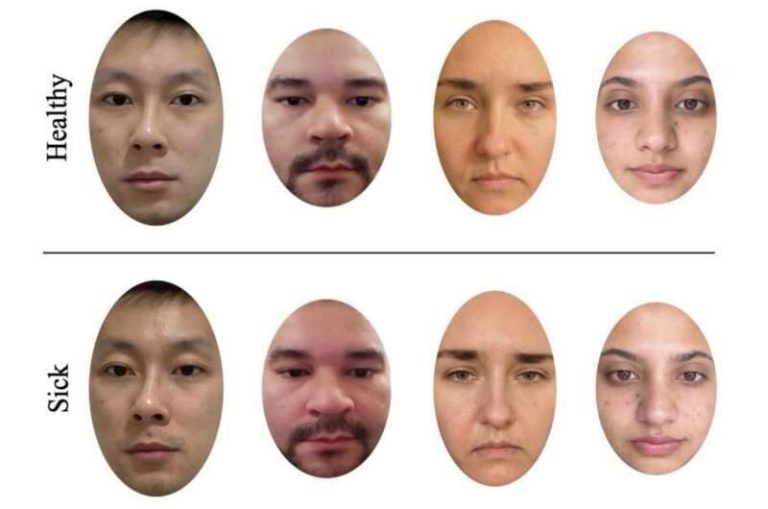
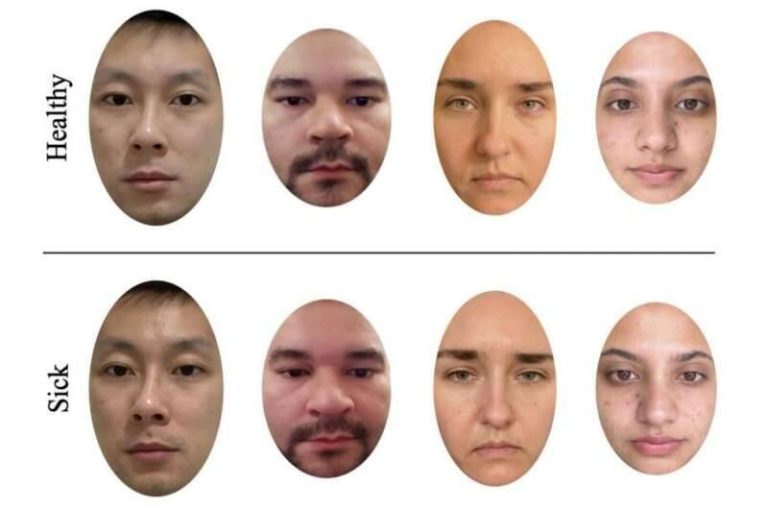
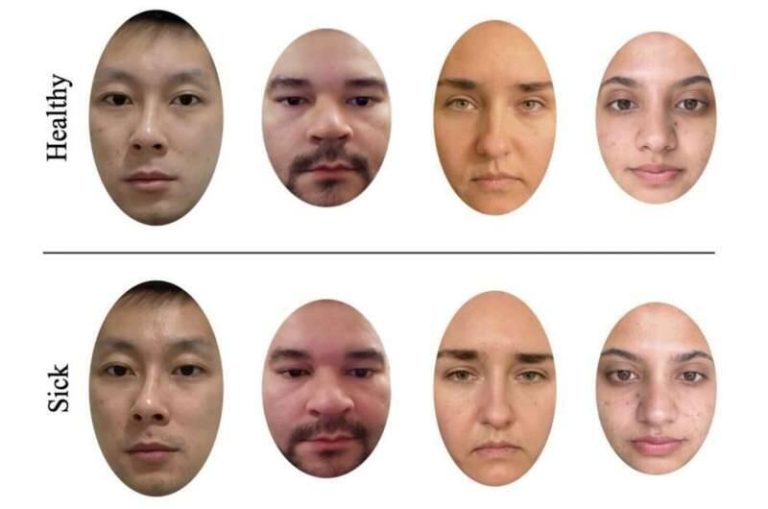
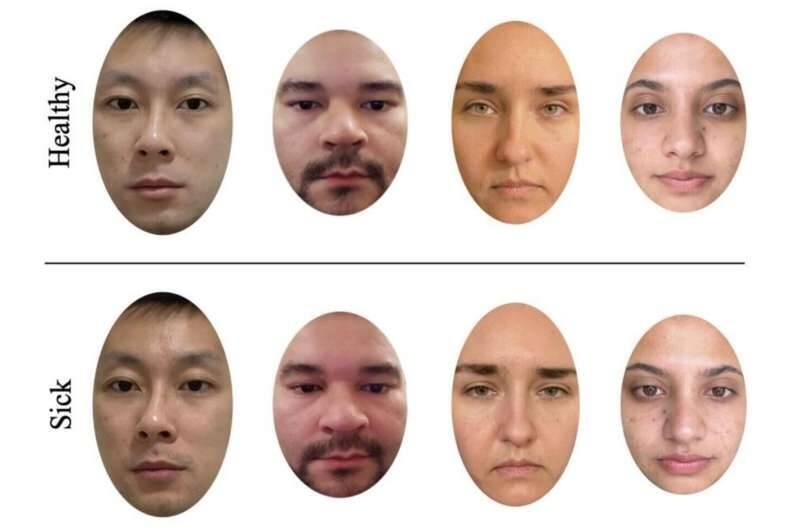
The age-old adage “a mother’s instinct” may have some scientific backing, according to a recent study that found women are better at recognising illness in the faces of sick people compared to men. The study, which recruited 140 males and 140 females to rate 24 photos of individuals in times of sickness and health, shed some light on the differences in how men and women perceive and detect illness in others.
The study presented participants with a series of photos, some of which depicted individuals who were sick with a range of illnesses, including the common cold, flu, and more serious conditions like cancer. The participants were then asked to rate the photos based on how sick they perceived the individual to be. The results showed that women were significantly better at detecting illness in the faces of sick people, even when the symptoms were subtle.
The study proposed two hypotheses for this phenomenon. The first hypothesis suggested that women may have evolved to detect illness better as they have traditionally taken on more caregiving roles, particularly when it comes to infants and children. This theory is based on the idea that women have had to develop a keen sense of observation to detect early signs of illness in their dependents, which would have given them an evolutionary advantage in terms of protecting their offspring and ensuring their survival.
The second hypothesis proposed that women may be more attuned to social cues and emotional expressions, which could also contribute to their ability to detect illness in others. This theory is based on the idea that women are more empathetic and have a greater ability to read social signals, which would allow them to pick up on subtle changes in a person’s appearance or behavior that may indicate illness.
The study’s findings have significant implications for our understanding of how men and women perceive and respond to illness. The fact that women are better at detecting illness in others could suggest that they are more likely to take on caregiving roles and provide support to sick individuals. This could have important consequences for public health, as women may be more effective at identifying and responding to illness in their communities.
The study also highlights the importance of considering the role of gender in our understanding of health and illness. While men and women may experience similar symptoms and health outcomes, the way they perceive and respond to illness can be quite different. By taking into account these differences, healthcare providers and policymakers can develop more effective strategies for promoting health and preventing illness.
The study’s findings are also consistent with previous research that has shown women to be more empathetic and emotionally intelligent than men. Women’s ability to detect illness in others may be linked to their greater emotional sensitivity and ability to read social cues. This could suggest that women are more likely to be effective caregivers and healthcare providers, as they are better able to understand and respond to the emotional and social needs of their patients.
In conclusion, the study’s findings suggest that women are better at recognising illness in faces than men, and propose two hypotheses to explain this phenomenon. The study’s results have significant implications for our understanding of how men and women perceive and respond to illness, and highlight the importance of considering the role of gender in our understanding of health and illness. By taking into account these differences, we can develop more effective strategies for promoting health and preventing illness, and improve healthcare outcomes for individuals and communities.
The study’s findings are a reminder that there are many complex factors that influence our perception and response to illness, and that gender is just one of many variables that can play a role. Further research is needed to fully understand the mechanisms underlying women’s ability to detect illness in others, and to explore the implications of these findings for healthcare and public health.
For now, the study’s results provide a fascinating glimpse into the complex and often subtle ways in which men and women perceive and respond to illness. By continuing to explore and understand these differences, we can work towards developing more effective and compassionate healthcare systems that take into account the unique needs and experiences of individuals and communities.
News Source: https://www.sciencedirect.com/science/article/abs/pii/S1090513825001527
About the Author