Women are better at recognising illness in faces than men: Study
The age-old adage “a picture is worth a thousand words” has taken on a new meaning in the context of a recent study that explores the ability of men and women to recognize illness in facial expressions. The study, which involved a large sample of participants, has found that women are significantly better at identifying sickness in the faces of individuals compared to their male counterparts. This fascinating discovery has sparked interesting discussions about the potential evolutionary advantages that may have contributed to this difference in ability.
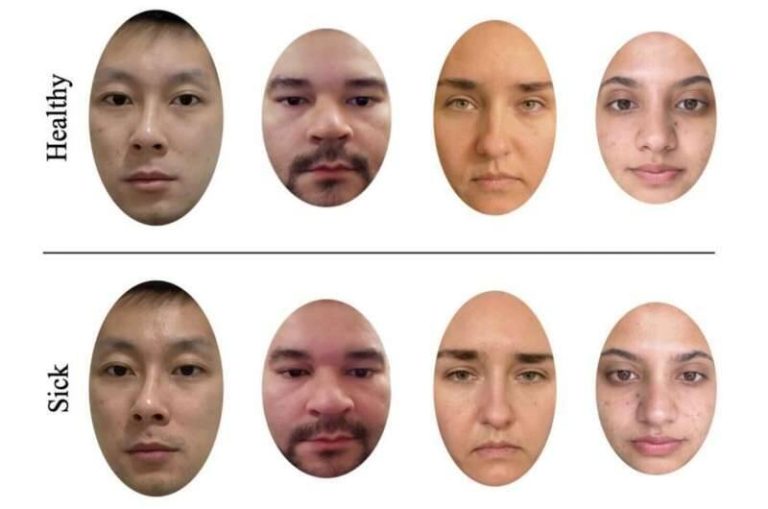
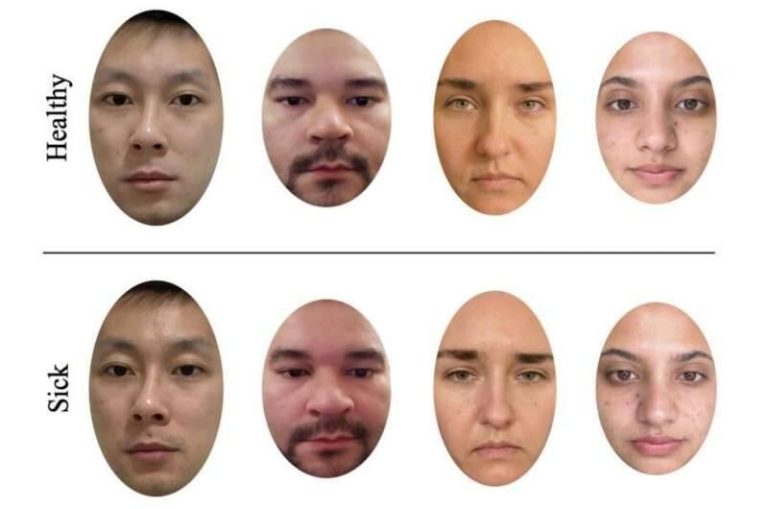
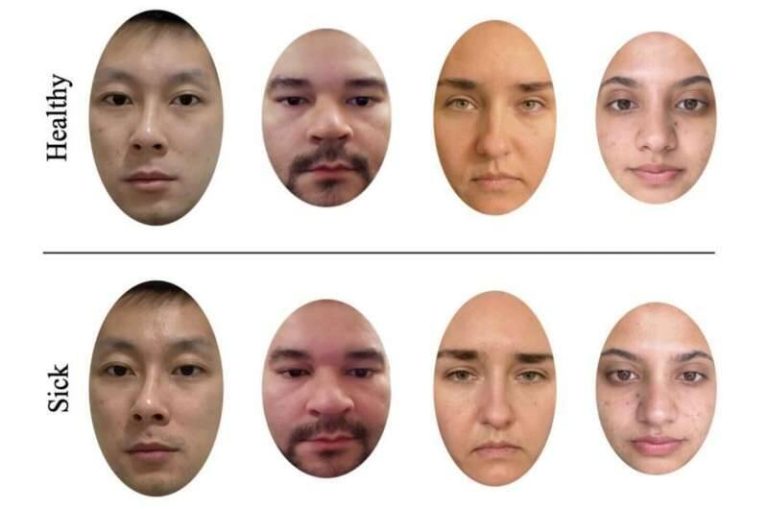
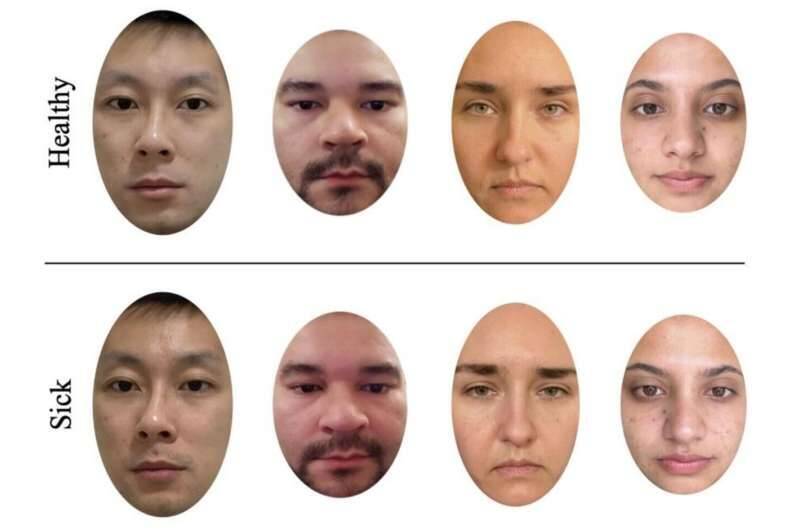
The study, which recruited 140 males and 140 females, presented participants with a series of 24 photographs depicting individuals in both healthy and sick states. The images were carefully selected to ensure that the facial expressions and other visual cues were consistent across all photos, allowing the researchers to isolate the specific factor of interest – the ability to recognize illness. The participants were then asked to rate each photo on a scale, indicating the extent to which they perceived the individual in the image as being sick or healthy.
The results of the study were striking, with women consistently outperforming men in their ability to accurately identify illness in the facial expressions of the individuals depicted in the photographs. This difference was statistically significant, suggesting that women possess a unique advantage when it comes to recognizing sickness in others. But what could be the underlying reasons for this disparity?
The study’s authors propose two possible hypotheses to explain the findings. The first hypothesis suggests that women may have evolved to detect illness more effectively due to their traditional role as primary caregivers for infants and children. Throughout history, women have been responsible for nurturing and caring for their young, which would have required them to be highly attuned to the subtlest signs of illness or distress. This selective pressure may have favored the development of enhanced abilities in women to recognize early warning signs of sickness, allowing them to provide timely care and minimize the risk of infection or disease transmission.
The second hypothesis put forward by the study’s authors relates to the role of social and cultural factors in shaping the ability to recognize illness. Women, on average, tend to be more empathetic and socially engaged than men, which may have contributed to their increased ability to pick up on subtle cues in facial expressions. This heightened sense of empathy and social awareness could have been fostered through a combination of biological and environmental factors, including social learning and cultural norms.
The implications of this study are far-reaching and have significant potential applications in various fields, including healthcare and social psychology. For instance, the ability to recognize illness in facial expressions could be an important factor in the diagnosis and treatment of diseases, particularly those that are highly infectious or have subtle symptoms. Healthcare professionals, particularly women, may be better equipped to identify early warning signs of illness, allowing for more timely and effective interventions.
Furthermore, the study’s findings have important implications for our understanding of the complex interplay between biology, culture, and social factors in shaping human behavior and cognition. The discovery that women are better at recognizing illness in facial expressions highlights the importance of considering the role of sex and gender in the development of cognitive abilities and social behaviors.
In conclusion, the study’s findings suggest that women possess a unique advantage when it comes to recognizing illness in facial expressions, which may be attributed to a combination of evolutionary and social factors. As we continue to explore the complexities of human cognition and behavior, it is essential to consider the role of sex and gender in shaping our abilities and interactions. By doing so, we may uncover new insights into the intricate mechanisms that underlie human social behavior and develop more effective strategies for promoting health, well-being, and social understanding.
For more information on this study, please visit: https://www.sciencedirect.com/science/article/abs/pii/S1090513825001527
About the Author