Women are better at recognising illness in faces than men: Study
When it comes to recognising illness in others, it appears that women have a distinct advantage over men. A recent study has found that women are more adept at identifying sickness in the faces of individuals who are unwell, compared to their male counterparts. This fascinating discovery has sparked interesting discussions about the potential evolutionary reasons behind this phenomenon. In this blog post, we will delve into the details of the study, explore the possible explanations for these findings, and examine the implications of this research.
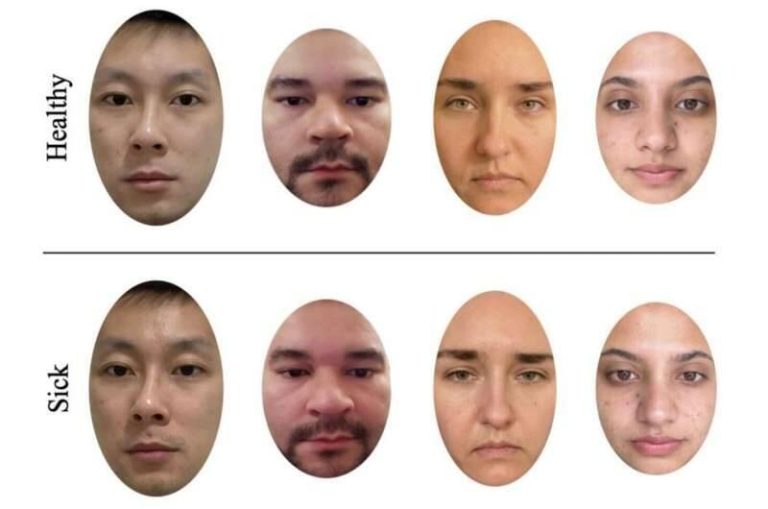
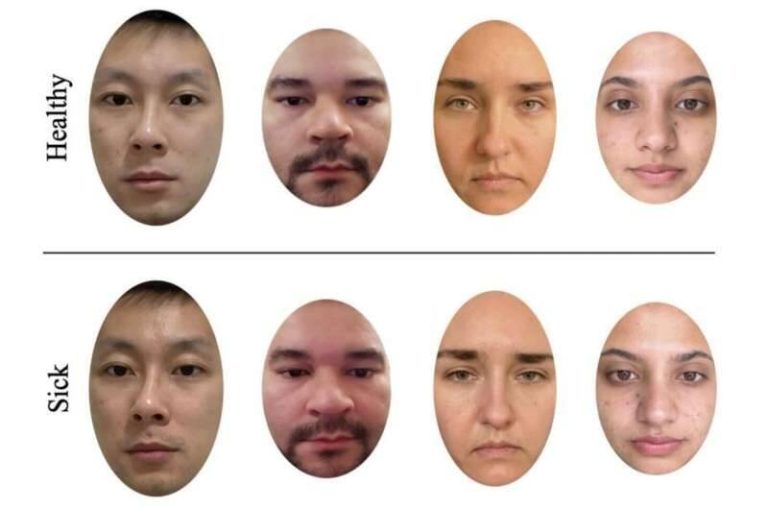
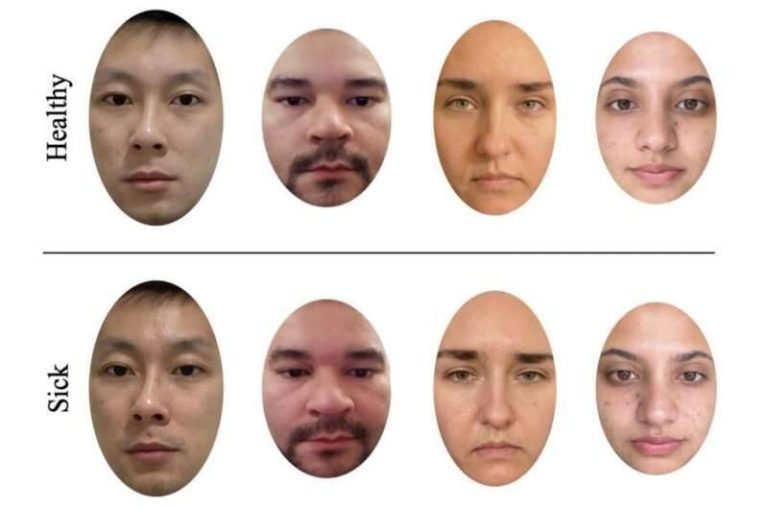
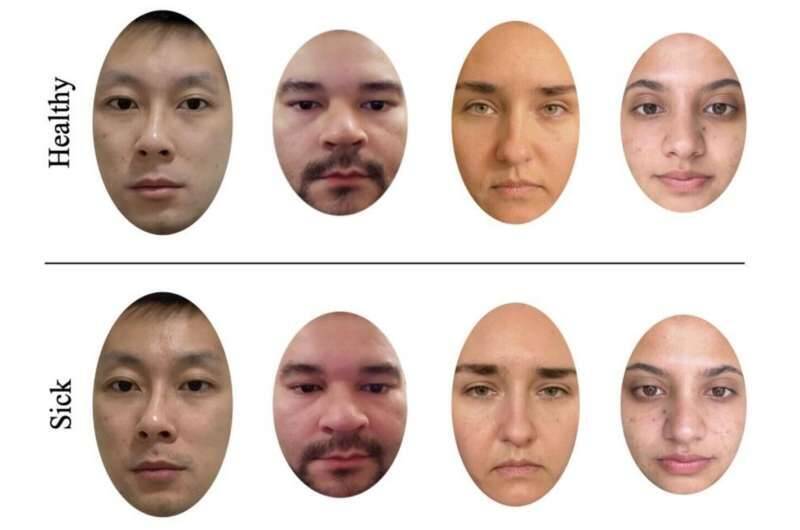
The study, which involved 140 males and 140 females, presented participants with 24 photographs of individuals, showcasing a mix of healthy and sick faces. The participants were then asked to rate the photos, indicating whether they perceived the person in the image as being unwell or not. The results revealed a striking difference between the two sexes, with women consistently outperforming men in their ability to detect illness in the faces of others.
But why might women be better at recognising illness in faces than men? The study proposes two hypotheses to explain these findings. Firstly, it suggests that women may have evolved to detect illness more effectively due to their traditional role as caregivers, particularly when it comes to infants. Throughout history, women have often been the primary caregivers for children, and as such, they may have developed a heightened sensitivity to subtle changes in facial expressions and physical appearance that could indicate illness. This ability to detect illness early on would have been crucial in ensuring the health and survival of their offspring.
The second hypothesis put forth by the study suggests that women may be more attentive to social cues, including facial expressions, due to their social and emotional roles. Women are often socialized to be more empathetic and nurturing, which may lead them to be more attuned to the emotional and physical states of those around them. This increased attention to social cues could, in turn, enable women to better detect illness in others, even when the symptoms are subtle.
The study’s findings have significant implications for our understanding of the complex interplay between biology, culture, and socialization. The fact that women are better at recognising illness in faces than men highlights the importance of considering sex differences in various aspects of human behavior and cognition. Furthermore, this research could have practical applications in fields such as healthcare, where accurate diagnosis and treatment of illnesses are critical.
The study’s results also raise interesting questions about the role of evolution in shaping human behavior and cognition. If women have indeed evolved to detect illness more effectively due to their caregiving roles, this would suggest that evolutionary pressures can influence the development of specific cognitive abilities. This idea challenges the traditional view that human cognition is largely uniform across sexes and highlights the need for further research into the complex interactions between biology, culture, and environment.
In addition to its theoretical implications, this study also has practical applications in various fields. For instance, in medical settings, healthcare professionals could benefit from training programs that focus on developing their ability to detect illness in patients, particularly in cases where symptoms are subtle or not immediately apparent. By leveraging the strengths of both men and women in this regard, healthcare providers could improve diagnosis accuracy and provide more effective treatment.
In conclusion, the study’s findings that women are better at recognising illness in faces than men offer a fascinating glimpse into the complex and multifaceted nature of human cognition and behavior. The proposed hypotheses, which suggest that women’s evolutionary history and social roles may have contributed to their enhanced ability to detect illness, highlight the importance of considering sex differences in various aspects of human behavior. As we continue to explore the intricacies of human cognition and behavior, research like this study reminds us of the value of embracing diversity and promoting a deeper understanding of the complex interactions between biology, culture, and environment.
Source:
https://www.sciencedirect.com/science/article/abs/pii/S1090513825001527
About the Author