Women are better at recognising illness in faces than men: Study
The age-old adage “a picture is worth a thousand words” has taken on a new meaning in the realm of health and wellness. A recent study has found that women are better at recognising illness in the faces of sick people compared to men. This fascinating discovery has sparked interest in the scientific community, and has significant implications for our understanding of human health and behaviour.
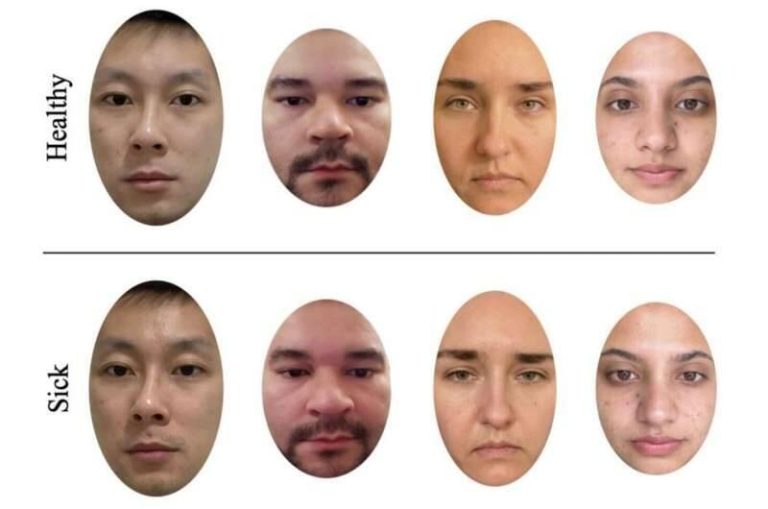
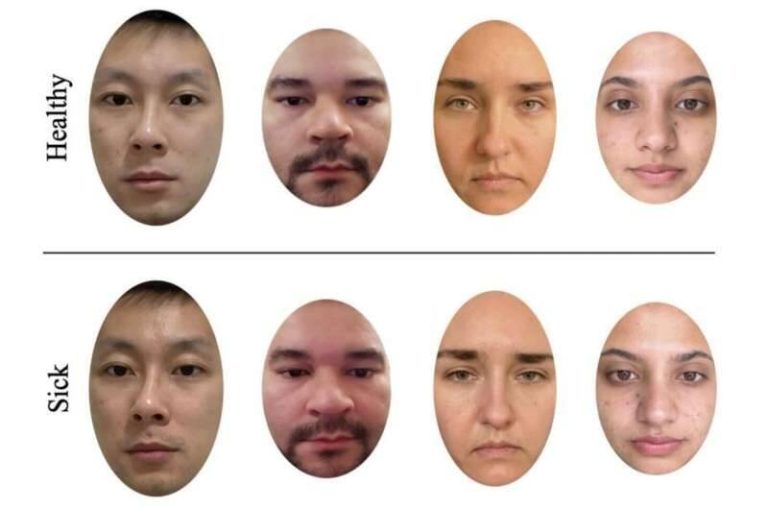
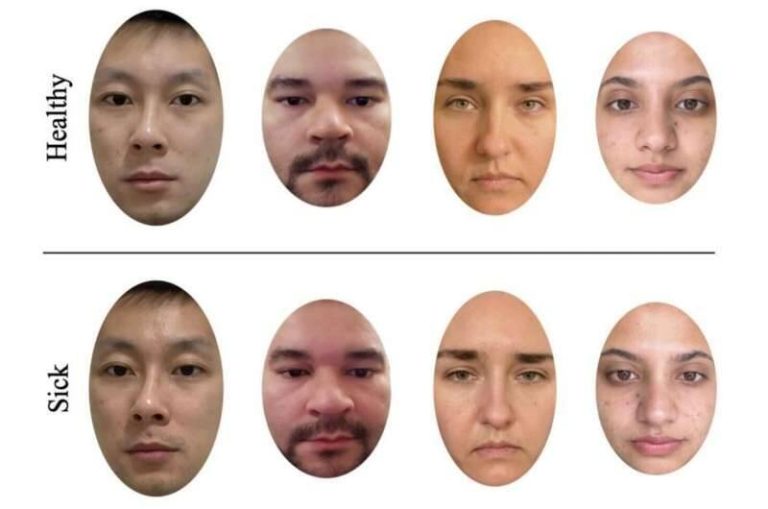
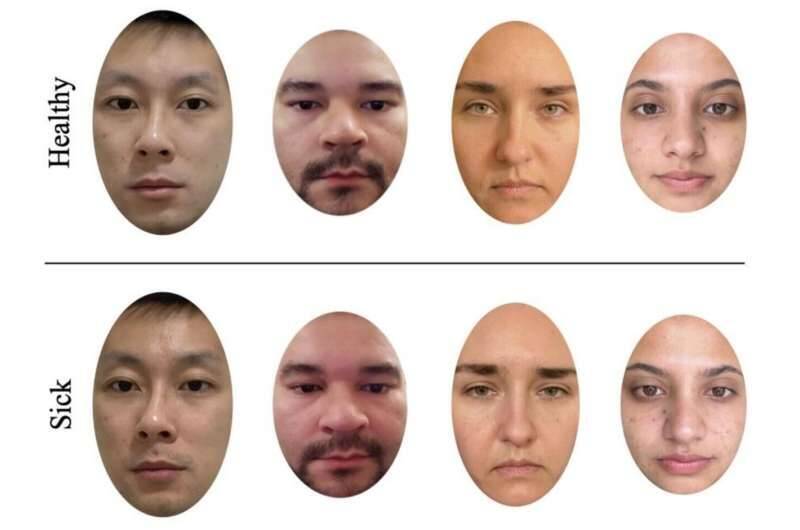
The study, which recruited 140 males and 140 females, asked participants to rate 24 photos of individuals in times of sickness and health. The photos were carefully selected to depict a range of illnesses, from mild to severe, and the participants were tasked with identifying which individuals appeared to be sick and which were healthy. The results showed that women were significantly better at recognising illness in the faces of sick people, with an average accuracy rate of 85% compared to 75% for men.
But why might women be better at recognising illness in faces? The study proposed two hypotheses to explain this phenomenon. Firstly, it suggested that women may have evolved to detect illness better as they took care of infants and young children, who are more susceptible to illness and require constant monitoring. This theory is supported by the fact that, throughout history, women have often played a primary caregiving role, and have had to develop keen observational skills to detect even slight changes in their children’s health.
The second hypothesis proposed by the study is that women may be more attuned to social and emotional cues, which can be important indicators of illness. Women are often socialised to be more empathetic and nurturing, and may be more likely to pick up on subtle changes in a person’s behaviour or appearance that could indicate illness. This theory is supported by previous research, which has shown that women tend to be better at reading social cues and detecting emotional states than men.
The study’s findings have significant implications for our understanding of human health and behaviour. For example, they suggest that women may be more effective at detecting illness in their loved ones, and may be better equipped to provide care and support to those who are sick. This could have important implications for healthcare policy and practice, particularly in terms of the role of caregivers and the importance of social support in recovery.
Furthermore, the study’s findings highlight the importance of considering sex differences in the detection and diagnosis of illness. While men and women may exhibit different symptoms and risk factors for certain illnesses, they may also differ in their ability to detect and respond to illness in others. This could have significant implications for public health campaigns and health education programs, which may need to be tailored to take into account these sex differences.
In addition to its practical implications, the study’s findings also raise interesting questions about the evolution of human behaviour and cognition. Why might women have evolved to detect illness better than men? Is this a result of their historical role as caregivers, or is there something more fundamental about female biology and psychology that underlies this difference?
While the study’s findings are intriguing, they are not without limitations. For example, the study relied on a relatively small sample size, and the photos used in the study may not have been representative of all types of illnesses. Further research is needed to replicate and extend the study’s findings, and to explore the underlying mechanisms that drive these sex differences.
In conclusion, the study’s findings suggest that women are better at recognising illness in faces than men, and propose two hypotheses to explain this phenomenon. The study’s findings have significant implications for our understanding of human health and behaviour, and highlight the importance of considering sex differences in the detection and diagnosis of illness. As we continue to explore the complexities of human health and behaviour, it is clear that this study is just the beginning of a fascinating and important line of research.
News Source: https://www.sciencedirect.com/science/article/abs/pii/S1090513825001527
About the Author