Women are better at recognising illness in faces than men: Study
The ability to recognize illness in others is an essential aspect of human interaction, particularly in the context of healthcare and social relationships. A recent study has shed light on the differences in how men and women perceive and recognize illness in the faces of others. The findings suggest that women are better at recognizing illness in faces than men, and this difference may have evolutionary roots. In this blog post, we will delve into the details of the study and explore the possible explanations for this phenomenon.
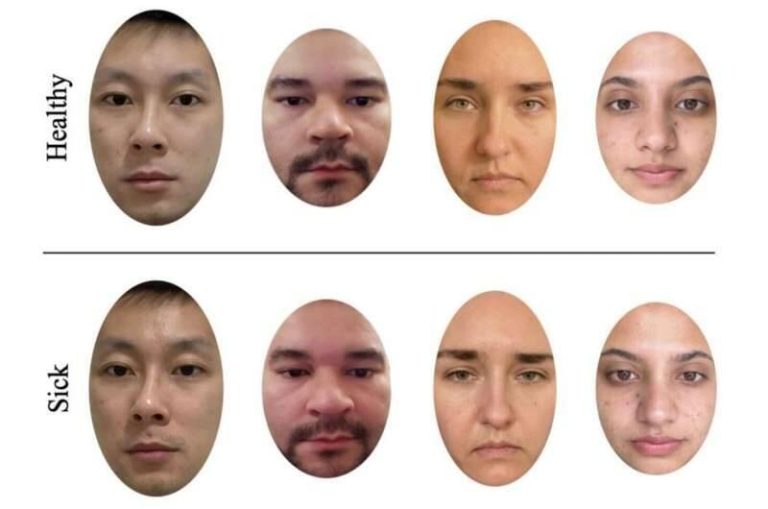
The study, which was conducted by a team of researchers, recruited 140 males and 140 females to participate in an experiment. The participants were shown 24 photos of individuals, 12 of whom were healthy and 12 of whom were sick. The photos were taken at two different times: when the individuals were healthy and when they were sick. The participants were then asked to rate the health status of the individuals in the photos, based solely on their facial appearance.
The results of the study showed that women were significantly better at recognizing illness in the faces of sick people compared to men. On average, women correctly identified 75% of the sick individuals, while men correctly identified only 55%. This difference was statistically significant, suggesting that women have an inherent advantage when it comes to recognizing illness in others.
The researchers proposed two possible explanations for this difference. The first hypothesis is that women may have evolved to detect illness better as they have historically taken on more caregiving roles, particularly when it comes to infants and children. This would have required them to be more attuned to subtle changes in facial expressions and other nonverbal cues that may indicate illness. Over time, this would have led to the development of a more sensitive and accurate ability to recognize illness in others.
The second hypothesis is that women may be more empathetic and socially oriented than men, which would also contribute to their ability to recognize illness in others. Women tend to be more emotionally expressive and responsive to the emotional states of others, which may allow them to pick up on subtle cues that indicate illness. This increased empathy and social awareness may also contribute to women’s ability to provide better care and support to those who are sick.
The findings of this study have important implications for our understanding of human social behavior and the role of gender in illness recognition. They suggest that women may be more effective at providing care and support to those who are sick, and that this may be due to their increased ability to recognize illness in others. This has significant implications for healthcare and social services, where women may be more effective at providing emotional support and care to patients.
Furthermore, the study highlights the importance of considering gender differences in the context of healthcare and social relationships. By recognizing and understanding these differences, we can develop more effective strategies for providing care and support to those who are sick, and for promoting health and well-being in general.
In conclusion, the study provides evidence that women are better at recognizing illness in faces than men, and this difference may have evolutionary roots. The findings suggest that women’s increased ability to recognize illness may be due to their historical role in caregiving and their increased empathy and social awareness. The implications of this study are significant, and highlight the importance of considering gender differences in the context of healthcare and social relationships.
For more information on this study, please visit: https://www.sciencedirect.com/science/article/abs/pii/S1090513825001527
The study’s findings have significant implications for our understanding of human social behavior and the role of gender in illness recognition. The fact that women are better at recognizing illness in others suggests that they may be more effective at providing care and support to those who are sick. This has significant implications for healthcare and social services, where women may be more effective at providing emotional support and care to patients.
The study also highlights the importance of considering the role of evolution in shaping human behavior and cognition. The fact that women may have evolved to detect illness better due to their historical role in caregiving suggests that our cognitive abilities are shaped by our environment and our social roles. This has significant implications for our understanding of human evolution and the development of human cognition.
In addition, the study’s findings have significant implications for the field of psychology and neuroscience. The fact that women are better at recognizing illness in others suggests that there may be differences in the way that men and women process facial expressions and other nonverbal cues. This has significant implications for our understanding of the neural basis of social cognition and the role of gender in shaping our cognitive abilities.
Overall, the study provides evidence that women are better at recognizing illness in faces than men, and this difference may have evolutionary roots. The findings have significant implications for our understanding of human social behavior, the role of gender in illness recognition, and the importance of considering gender differences in the context of healthcare and social relationships.
For more information on this study, please visit: https://www.sciencedirect.com/science/article/abs/pii/S1090513825001527
About the Author