Women are better at recognising illness in faces than men: Study
The age-old adage “a picture is worth a thousand words” has taken on a new meaning in the context of a recent study that explores the ability of individuals to recognize illness in the faces of others. The study, which was conducted with a sample of 280 participants (140 males and 140 females), aimed to investigate the differences in the ability of men and women to detect illness in facial expressions. The results of the study are fascinating, and they suggest that women are indeed better at recognizing illness in faces than men.
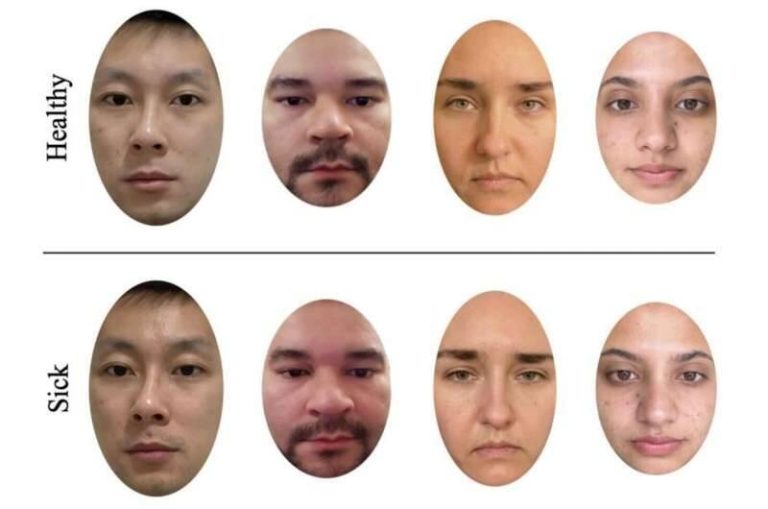
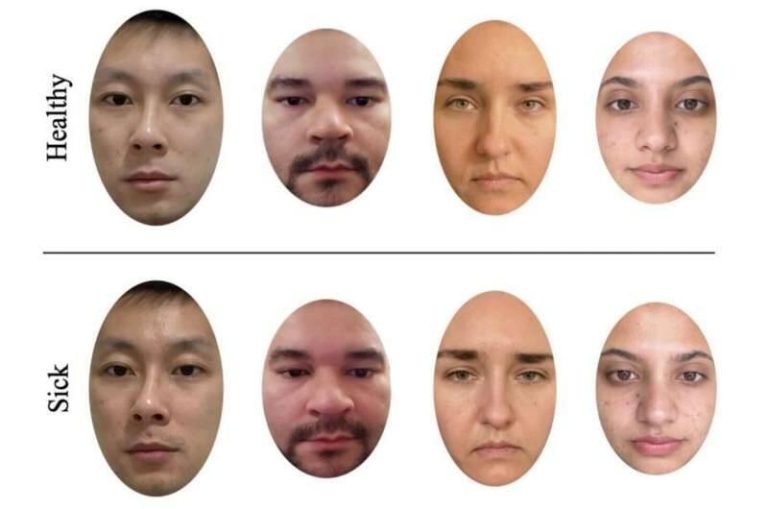
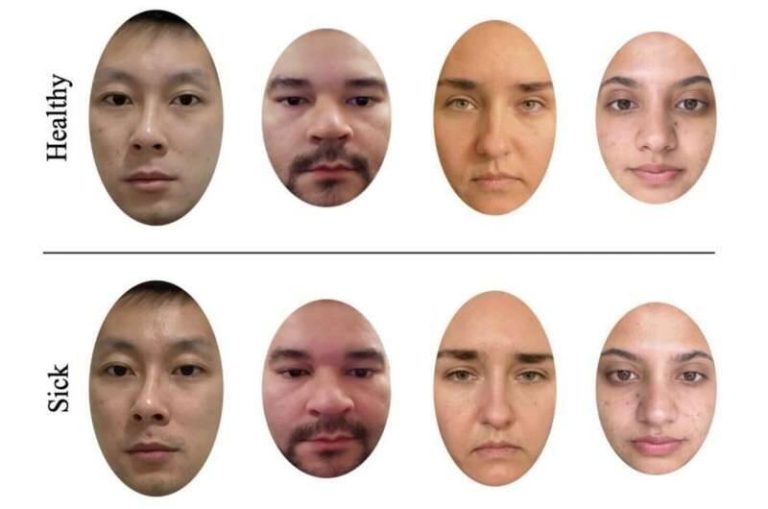
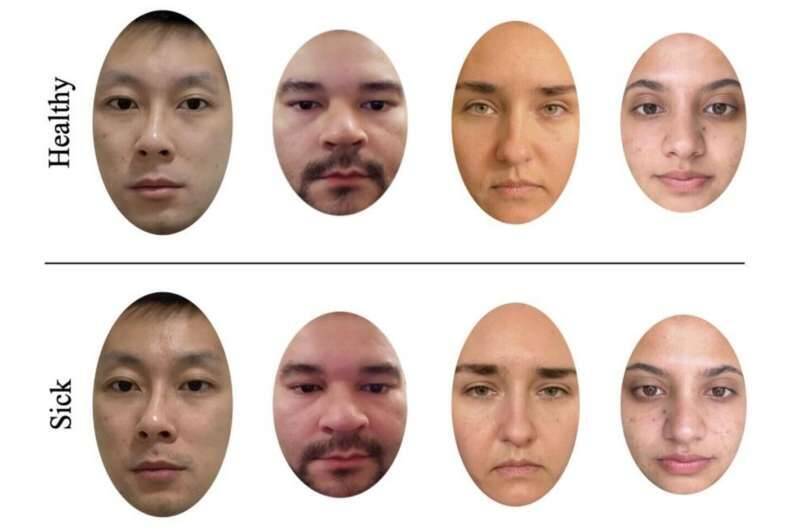
The study involved showing participants a series of 24 photos, which depicted individuals in both healthy and sick states. The participants were then asked to rate the photos based on how sick or healthy they perceived the individuals to be. The results showed that women were more accurate in their ratings, and they were better able to detect subtle cues in the facial expressions of the individuals in the photos.
But why might women be better at recognizing illness in faces than men? The study proposes two hypotheses to explain this phenomenon. The first hypothesis is that women may have evolved to detect illness better as they have traditionally taken on the role of caregivers, particularly when it comes to infants and children. This would have required them to be highly attuned to the health and wellbeing of their dependents, and to be able to detect even subtle signs of illness.
The second hypothesis is that women may be more empathetic and socially sensitive than men, which would allow them to pick up on subtle cues in facial expressions that may indicate illness. This hypothesis is supported by a range of studies that have shown that women tend to be more empathetic and better at reading social cues than men.
The study’s findings have significant implications for our understanding of the role of women in healthcare and caregiving. They suggest that women’s traditional role as caregivers may have given them an evolutionary advantage when it comes to detecting illness, and that this advantage may be reflected in their ability to recognize illness in facial expressions.
The study also has implications for the way that we approach healthcare and disease diagnosis. If women are indeed better at recognizing illness in faces, then they may be able to play a more active role in disease diagnosis and prevention. For example, women may be able to detect subtle signs of illness in their loved ones, and to seek medical attention on their behalf.
Furthermore, the study’s findings may also have implications for the way that we train healthcare professionals. If women are better at recognizing illness in faces, then they may be more effective at detecting and diagnosing diseases, particularly those that have subtle symptoms. This could lead to better health outcomes and more effective disease prevention.
In addition to the study’s findings, it’s also worth considering the potential limitations and biases of the study. For example, the study relied on a sample of 280 participants, which may not be representative of the broader population. Additionally, the study’s methodology, which involved showing participants a series of photos, may not accurately reflect real-world scenarios.
Despite these limitations, the study’s findings are significant and warrant further investigation. The study’s results have the potential to inform a range of fields, from healthcare and medicine to psychology and sociology. They also highlight the importance of considering the role of women in healthcare and caregiving, and the need to recognize and value their contributions to these fields.
In conclusion, the study’s findings suggest that women are indeed better at recognizing illness in faces than men. The study’s hypotheses, which propose that women may have evolved to detect illness better due to their traditional role as caregivers, and that they may be more empathetic and socially sensitive, are both plausible explanations for this phenomenon. The study’s findings have significant implications for our understanding of the role of women in healthcare and caregiving, and they highlight the need to recognize and value their contributions to these fields.
As we move forward, it will be important to consider the potential applications of the study’s findings, and to explore the ways in which they can be used to improve healthcare outcomes and disease prevention. This may involve training healthcare professionals to be more attuned to subtle signs of illness, and to recognize the importance of women’s contributions to healthcare and caregiving.
Ultimately, the study’s findings are a reminder of the importance of considering the complex interplay between biology, psychology, and sociology in our understanding of human health and behavior. By recognizing and valuing the contributions of women to healthcare and caregiving, we can work towards creating a more effective and compassionate healthcare system that benefits everyone.
News Source: https://www.sciencedirect.com/science/article/abs/pii/S1090513825001527
About the Author