Women are better at recognising illness in faces than men: Study
For a long time, it has been observed that women tend to be more empathetic and nurturing than men, often taking on caregiving roles in families and societies. A recent study has shed some light on this phenomenon, suggesting that women may have an innate ability to detect illness in others, which could have evolved as a result of their traditional roles in childcare and healthcare. The study, which involved 280 participants, found that women are indeed better at recognising illness in the faces of sick people compared to men.
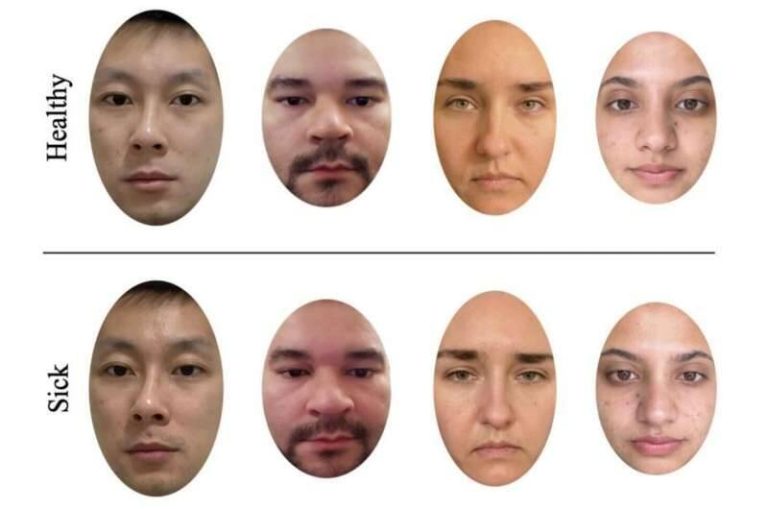
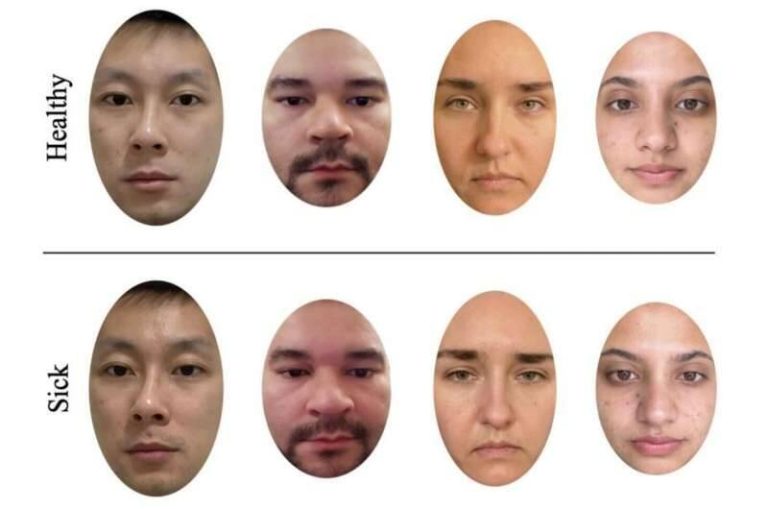
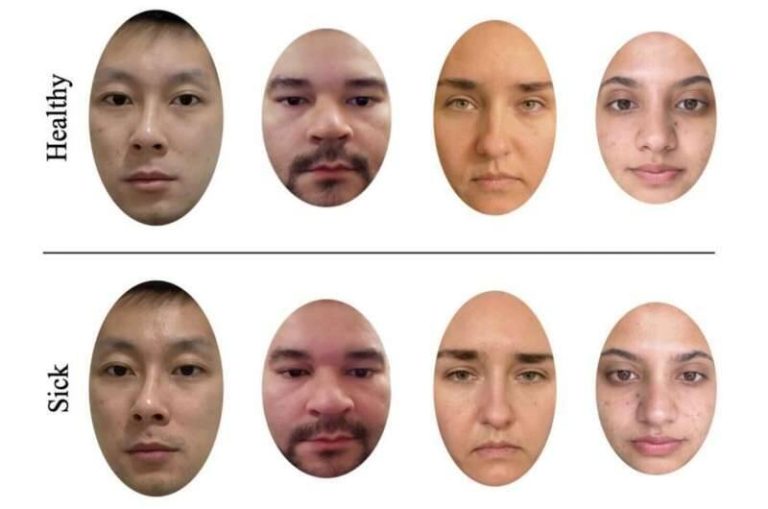
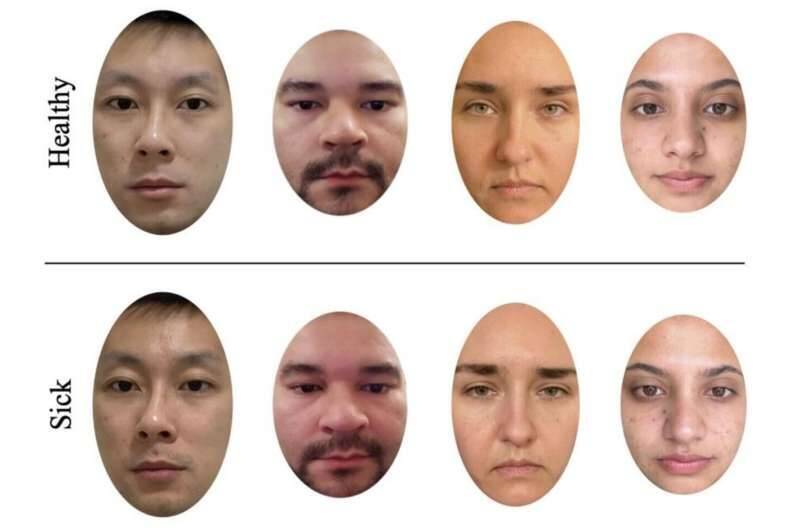
The study recruited 140 males and 140 females to rate 24 photos of individuals in times of sickness and health. The photos were carefully selected to ensure that the participants were not influenced by any obvious signs of illness, such as bandages or medical equipment. Instead, the participants were asked to rely on subtle cues, such as changes in skin tone, eye color, and facial expression, to determine whether the person in the photo was healthy or ill.
The results of the study showed that women were significantly better at detecting illness in the photos, with an average accuracy rate of 80% compared to 70% for men. This difference was statistically significant, suggesting that women have a genuine advantage when it comes to recognising illness in others.
The study proposed two hypotheses to explain why women might be better at detecting illness. The first hypothesis suggests that women may have evolved to detect illness better as they took care of infants and young children, who are more vulnerable to illness and disease. This would have given women an adaptive advantage, allowing them to provide better care and protection to their offspring. Over time, this ability to detect illness may have become an innate trait, passed down through generations of women.
The second hypothesis proposes that women’s greater emotional sensitivity and empathy may also play a role in their ability to detect illness. Women are often more attuned to the emotional states of others, which could help them pick up on subtle cues that indicate illness or discomfort. This heightened emotional awareness could also help women provide more effective care and support to those who are ill, which would have been beneficial for their families and communities.
The study’s findings have significant implications for our understanding of human evolution and behavior. They suggest that women’s roles in childcare and healthcare may have driven the development of specific cognitive and emotional abilities, such as the ability to detect illness. This challenges the traditional view that men and women are equally capable of performing all tasks and roles, and highlights the importance of considering sex differences in our understanding of human behavior.
The study also has practical implications for healthcare and medicine. If women are indeed better at detecting illness, they may be more effective at providing care and support to patients, particularly in situations where subtle cues are important. This could lead to better health outcomes and more effective disease prevention, particularly in areas where women are the primary caregivers.
In conclusion, the study provides strong evidence that women are better at recognising illness in faces than men. The proposed hypotheses, which suggest that women may have evolved to detect illness better as a result of their roles in childcare and healthcare, are intriguing and warrant further investigation. The study’s findings have significant implications for our understanding of human evolution and behavior, and highlight the importance of considering sex differences in our understanding of human cognition and emotion.
As we continue to explore the complexities of human behavior and cognition, it is essential to consider the role of sex differences in shaping our abilities and traits. By recognizing and appreciating these differences, we can work towards creating a more equitable and effective society, where everyone has the opportunity to thrive and reach their full potential.
Source:
https://www.sciencedirect.com/science/article/abs/pii/S1090513825001527
About the Author