Women are better at recognising illness in faces than men: Study
The age-old adage “a picture is worth a thousand words” has taken on a new meaning in the context of health and wellness. A recent study has found that women are better at recognising illness in the faces of sick people compared to men. This fascinating discovery has significant implications for our understanding of how we perceive and respond to health cues.
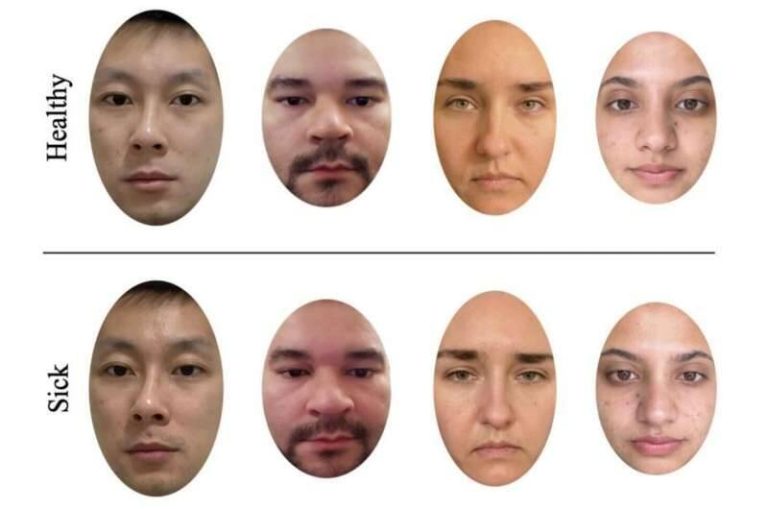
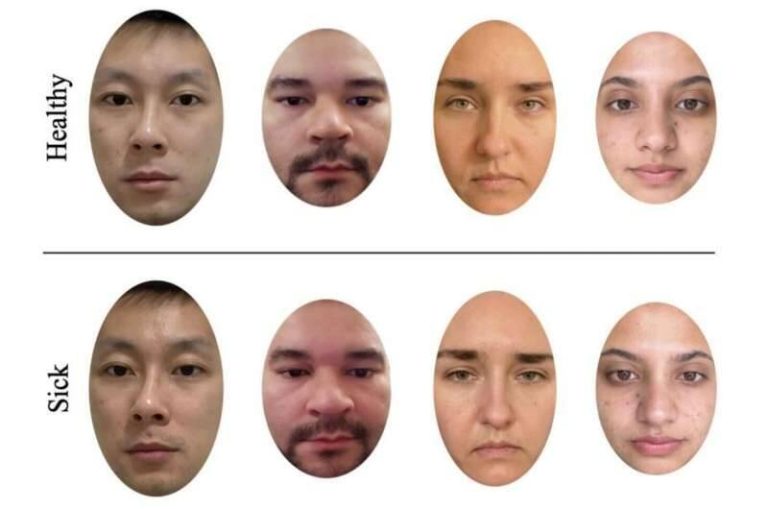
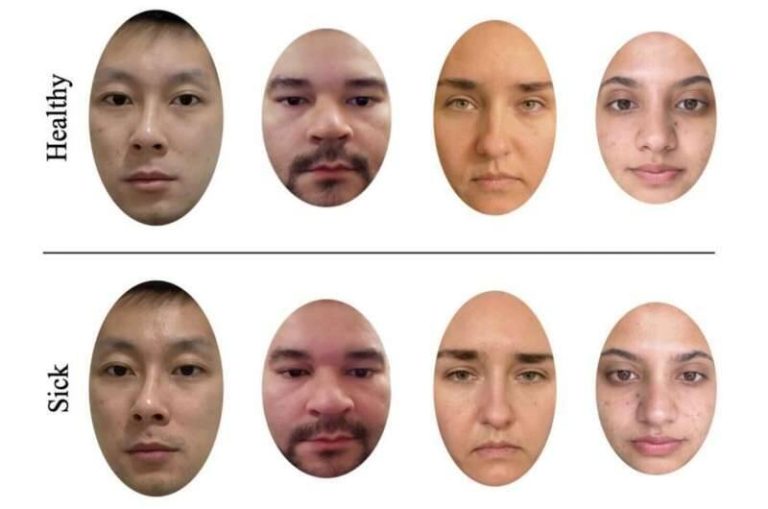
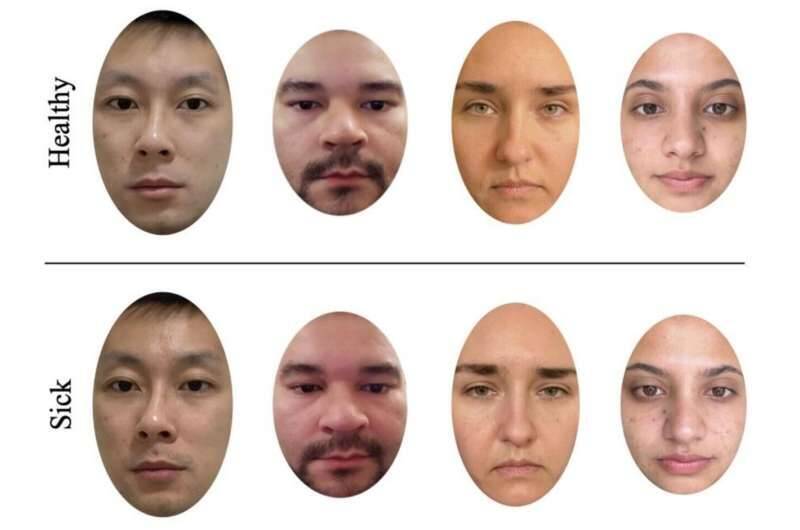
The study, which recruited 140 males and 140 females, asked participants to rate 24 photos of individuals in times of sickness and health. The results showed that women were more accurate in identifying illness in the faces of those who were unwell. But why is this the case? The study proposed two hypotheses to explain this phenomenon.
Firstly, the researchers suggested that women may have evolved to detect illness better as they have traditionally taken on the role of caregivers, particularly for infants. This would have required them to be highly attuned to subtle changes in facial expressions and other nonverbal cues that could indicate illness or distress. Over time, this ability to detect illness may have become more pronounced in women, allowing them to provide better care and protection for their loved ones.
The second hypothesis proposed by the study is that women may be more empathetic and socially sensitive than men, which could also contribute to their ability to recognise illness in faces. This would suggest that women are not only better at detecting illness, but also more likely to respond with compassion and care when they encounter someone who is unwell.
The study’s findings have significant implications for our understanding of how we perceive and respond to health cues. For example, in healthcare settings, women may be more effective at identifying patients who are experiencing distress or discomfort, even if they are not explicitly expressing their symptoms. This could lead to more timely and effective interventions, and ultimately, better health outcomes.
Furthermore, the study’s findings highlight the importance of empathy and social sensitivity in healthcare. As the researchers noted, the ability to recognise and respond to emotional cues is critical in building trust and rapport between healthcare providers and their patients. By acknowledging and valuing the emotional and social aspects of healthcare, we can create a more compassionate and effective healthcare system.
The study’s results also have implications for our understanding of the role of evolution in shaping our behaviour and cognition. The finding that women may have evolved to detect illness better due to their traditional role as caregivers suggests that our brains are highly adaptable and responsive to the demands of our environment. This challenges the idea that our behaviour and cognition are fixed or innate, and instead highlights the complex interplay between biology, culture, and environment.
In conclusion, the study’s findings that women are better at recognising illness in faces than men have significant implications for our understanding of health, empathy, and evolution. By recognising and valuing the importance of emotional and social cues in healthcare, we can create a more compassionate and effective healthcare system. Furthermore, the study’s findings highlight the complex interplay between biology, culture, and environment, and challenge us to think more critically about the role of evolution in shaping our behaviour and cognition.
As we continue to explore the complexities of human behaviour and cognition, it is essential that we consider the social and cultural contexts in which we live. By doing so, we can gain a deeper understanding of the intricate web of factors that influence our perceptions, emotions, and actions. And, as this study so aptly demonstrates, we may uncover some surprising and fascinating insights along the way.
For more information on this study, please visit: https://www.sciencedirect.com/science/article/abs/pii/S1090513825001527
About the Author