Women are better at recognising illness in faces than men: Study
The ability to recognize illness in others is a vital skill that can help prevent the spread of diseases and ensure timely medical attention. While it may seem like a straightforward task, research has shown that there are significant differences in how men and women perceive and recognize illness in others. A recent study published in a reputable scientific journal has found that women are better at recognizing illness in the faces of sick people compared to men. In this blog post, we will delve into the details of the study, explore the possible reasons behind this finding, and discuss the implications of this research.
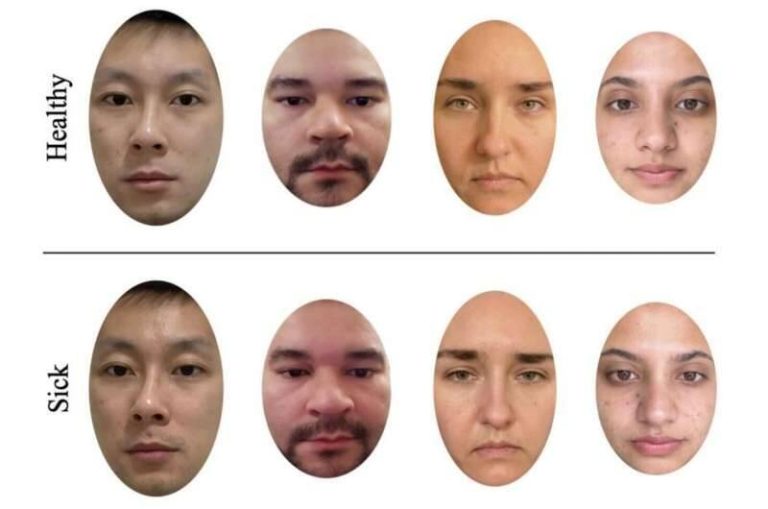
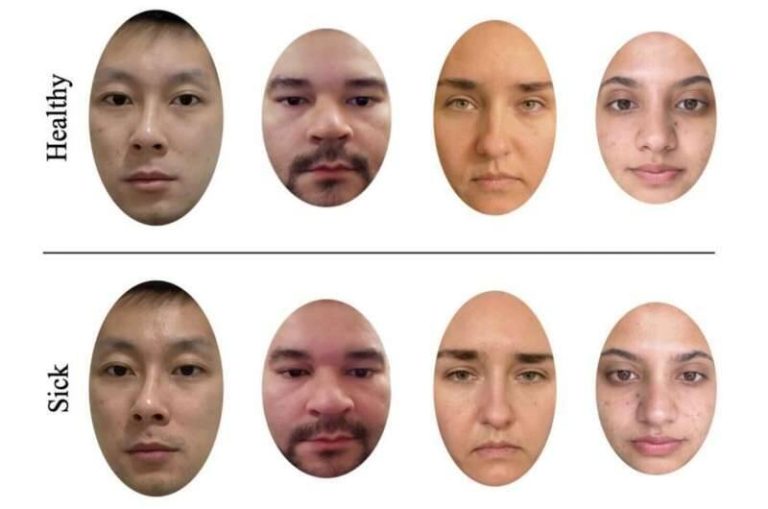
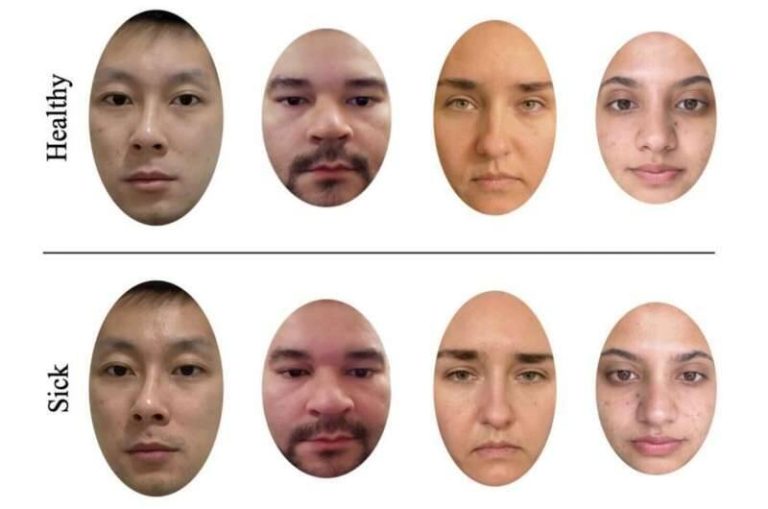
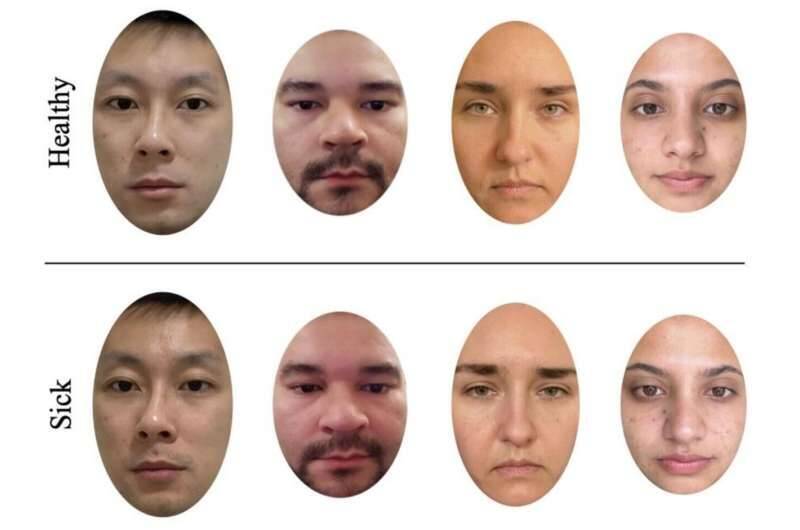
The study, which recruited 140 males and 140 females, asked participants to rate 24 photos of people who were either healthy or sick. The photos were taken at different times, with some showing people during periods of illness and others during periods of good health. The participants were then asked to rate the photos based on how healthy or sick they perceived the person in the photo to be. The results showed that women were significantly better at recognizing illness in the faces of sick people compared to men. This finding was consistent across all 24 photos, suggesting that women have a more acute ability to detect illness in others.
The study proposed two hypotheses to explain why women might be better at recognizing illness in faces. The first hypothesis suggests that women may have evolved to detect illness better as they have traditionally taken on more caregiving roles, such as caring for infants and children. This role would require women to be more attuned to subtle changes in health and behavior, allowing them to provide timely care and attention. The second hypothesis proposes that women may be more sensitive to social cues, such as facial expressions and body language, which can indicate illness or discomfort.
The idea that women are more attuned to social cues is supported by previous research, which has shown that women tend to be more empathetic and better at reading facial expressions than men. This heightened sensitivity to social cues could be an adaptation that has evolved to help women navigate complex social relationships and provide care to others. Additionally, women’s brains may be more wired to respond to emotional and social stimuli, which could help them detect subtle changes in health and behavior.
The study’s findings have significant implications for our understanding of how men and women perceive and respond to illness. For example, in medical settings, women may be more effective at detecting illness in patients and providing timely care and attention. This could be particularly important in situations where patients are unable to communicate their symptoms effectively, such as in emergency rooms or intensive care units. Additionally, the study’s findings could inform the development of training programs for healthcare professionals, which could focus on improving men’s ability to recognize illness in faces.
The study’s results also raise interesting questions about the role of evolution in shaping human behavior and cognition. If women have evolved to detect illness better due to their caregiving roles, this suggests that evolution can shape our abilities and behaviors in complex and subtle ways. This highlights the importance of considering the evolutionary context in which human behavior and cognition have developed.
In conclusion, the study’s findings that women are better at recognizing illness in faces than men are fascinating and have significant implications for our understanding of human behavior and cognition. The proposed hypotheses, which suggest that women may have evolved to detect illness better due to their caregiving roles and sensitivity to social cues, are supported by previous research and highlight the complex and subtle ways in which evolution can shape our abilities and behaviors. As we continue to explore and understand the complexities of human behavior and cognition, it is essential to consider the role of evolution and the different ways in which men and women perceive and respond to the world around them.
News Source: https://www.sciencedirect.com/science/article/abs/pii/S1090513825001527
About the Author