Women are better at recognising illness in faces than men: Study
The ability to recognize illness in others is a vital skill that can help prevent the spread of diseases and provide timely medical attention to those in need. While it is often assumed that this skill is innate and equally distributed among both men and women, a recent study has found that women are better at recognizing illness in the faces of sick people compared to men. This fascinating discovery has significant implications for our understanding of human behavior, evolution, and the role of women in healthcare.
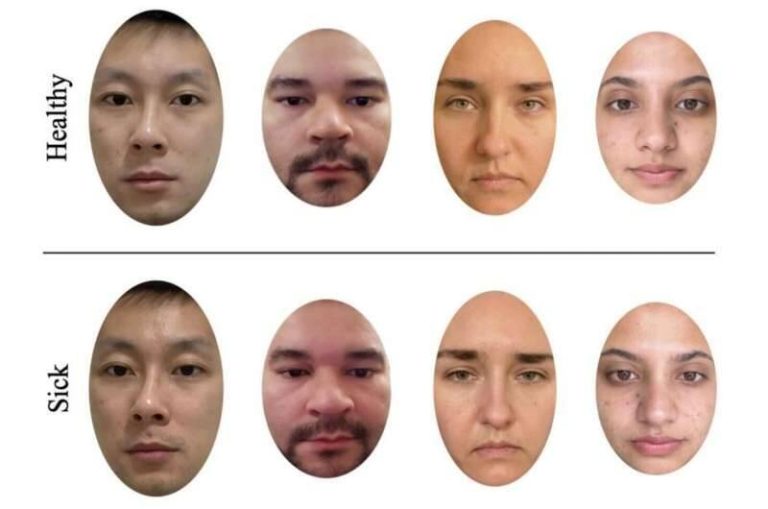
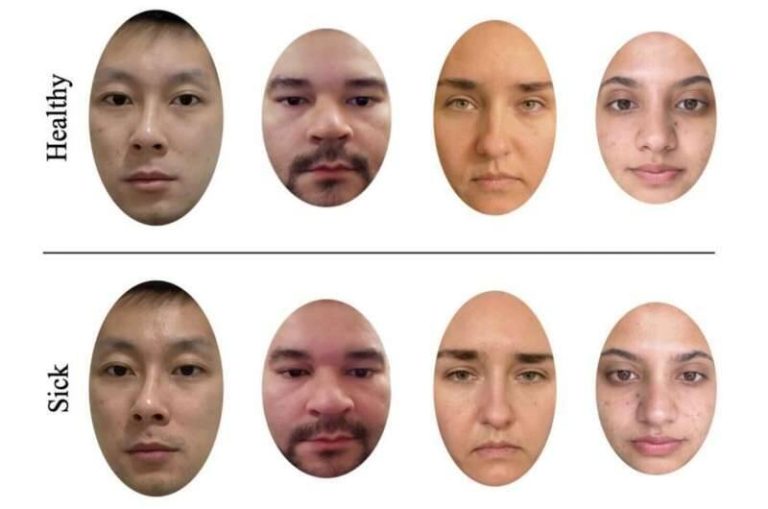
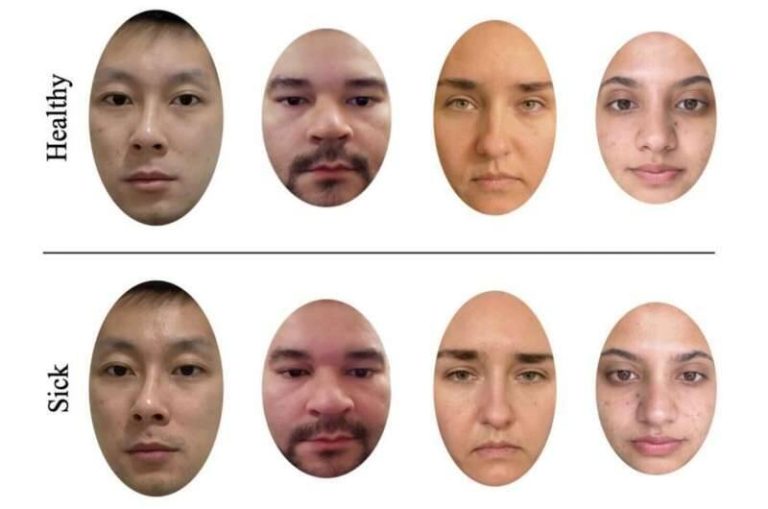
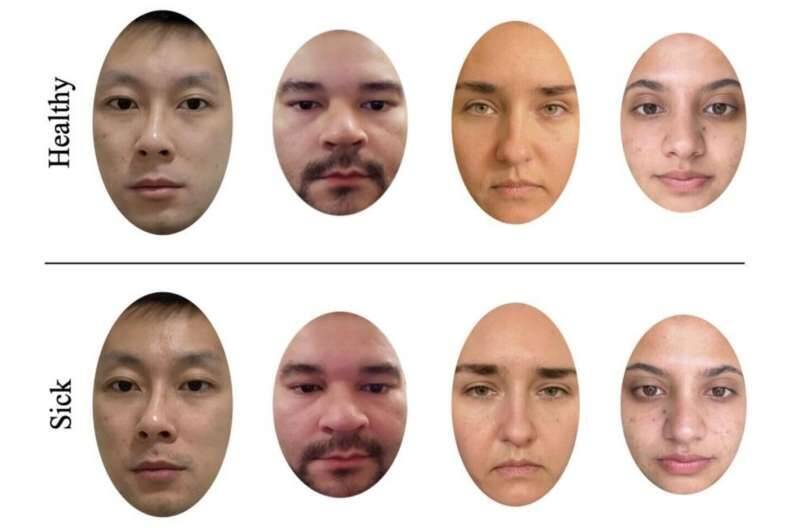
The study, which recruited 140 males and 140 females, asked participants to rate 24 photos of individuals in times of sickness and health. The photos were carefully selected to ensure that the subjects’ facial expressions and other visible symptoms were consistent across all images. The participants were then asked to rate the photos based on how healthy or ill they perceived the individual to be. The results showed that women were significantly better at recognizing illness in the faces of sick people compared to men.
But why do women have an edge when it comes to recognizing illness? The study proposes two hypotheses to explain this phenomenon. Firstly, women may have evolved to detect illness better as they have traditionally taken on the role of caregivers, particularly for infants and children. Throughout history, women have been responsible for nurturing and caring for their young, which has required them to be highly attuned to their children’s health and wellbeing. This has likely led to the development of a keen sense of observation and the ability to detect even subtle changes in a person’s appearance that may indicate illness.
The second hypothesis suggests that women may be more empathetic and socially sensitive than men, which enables them to pick up on nonverbal cues and subtle changes in a person’s behavior and appearance. This increased sensitivity may allow women to better recognize the signs of illness, even when they are not immediately apparent. For example, a woman may notice that a person’s eyes appear dull or sunken, or that their skin has a pale or flushed complexion, which could indicate a underlying health issue.
The study’s findings have significant implications for our understanding of human behavior and evolution. The fact that women have developed a keen sense of observation and the ability to detect illness may be an adaptation that has evolved over time to help them care for their children and other loved ones. This highlights the importance of women’s roles in healthcare and the need to recognize and appreciate their unique skills and abilities.
Furthermore, the study’s results have practical applications in the field of healthcare. By recognizing the importance of women’s roles in detecting illness, healthcare professionals can work to develop more effective diagnosis and treatment strategies. For example, doctors and nurses could be trained to look for subtle changes in a patient’s appearance and behavior that may indicate underlying health issues. Additionally, women’s unique abilities could be leveraged in the development of new diagnostic tools and technologies that can help detect illness more accurately and efficiently.
In conclusion, the study’s findings that women are better at recognizing illness in faces than men are both fascinating and significant. The proposed hypotheses that women may have evolved to detect illness better due to their traditional caregiving roles and that they may be more empathetic and socially sensitive than men provide valuable insights into human behavior and evolution. As we continue to develop our understanding of human health and behavior, it is essential that we recognize and appreciate the unique skills and abilities that women bring to the table. By doing so, we can work towards creating more effective and compassionate healthcare systems that prioritize the needs of all individuals.
The study’s results also highlight the importance of continued research into the differences between men and women’s abilities and behaviors. By exploring these differences, we can gain a deeper understanding of human behavior and develop more effective strategies for improving healthcare outcomes. Ultimately, the recognition of women’s unique abilities and strengths can help to promote greater equality and appreciation for the important roles that women play in our society.
In addition to the study’s findings, it is also important to consider the broader implications of the research. The fact that women are better at recognizing illness in faces than men may have significant consequences for our understanding of human behavior and evolution. For example, it may suggest that women have evolved to be more nurturing and caring, which could have important implications for our understanding of human relationships and social dynamics.
Overall, the study’s findings provide valuable insights into human behavior and evolution, and highlight the importance of recognizing and appreciating the unique skills and abilities that women bring to the table. As we continue to develop our understanding of human health and behavior, it is essential that we prioritize the needs of all individuals and work towards creating more effective and compassionate healthcare systems.
News Source: https://www.sciencedirect.com/science/article/abs/pii/S1090513825001527
About the Author