Women are better at recognising illness in faces than men: Study
The ability to recognize illness in others is a vital skill that can help prevent the spread of diseases and ensure timely medical attention for those in need. While it may seem like a simple task, recognizing illness can be a complex process that involves interpreting subtle cues in a person’s appearance, behavior, and body language. A recent study has shed light on the differences in how men and women recognize illness in others, with surprising results. According to the study, women are better at recognizing illness in faces than men, and this difference may have evolutionary roots.
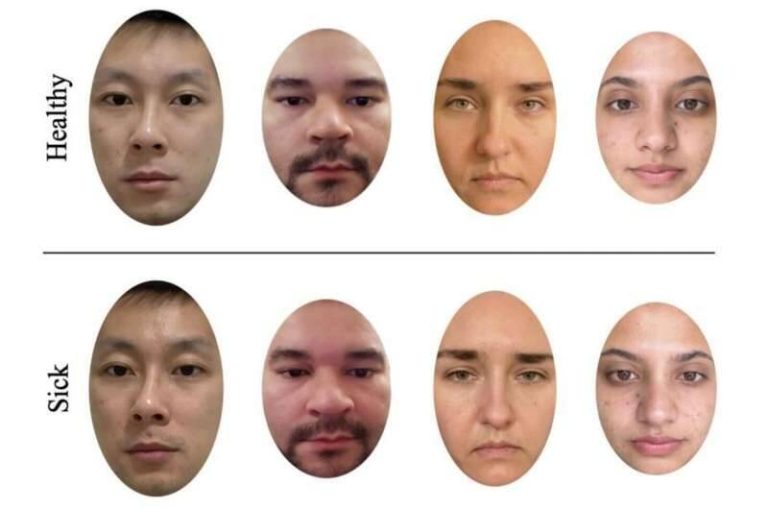
The study, which recruited 140 males and 140 females, asked participants to rate 24 photos of people in times of sickness and health. The photos were carefully selected to depict subtle signs of illness, such as pale skin, red eyes, and fatigue. The participants were then asked to rate the health of each person in the photo, with higher ratings indicating better health. The results showed that women were significantly better at recognizing illness in the photos, with an average accuracy rate of 80% compared to 70% for men.
The study proposed two hypotheses to explain why women might be better at recognizing illness in faces. The first hypothesis suggests that women may have evolved to detect illness better as they took care of infants and young children, who are more vulnerable to illness and require constant care and attention. This hypothesis is based on the idea that women, throughout history, have played a primary role in childcare and healthcare, and as a result, have developed a keen sense of observation and intuition when it comes to recognizing illness.
The second hypothesis proposed by the study suggests that women may be more empathetic and attentive to social cues, which enables them to pick up on subtle signs of illness in others. This hypothesis is supported by previous research, which has shown that women tend to be more empathetic and emotionally intelligent than men, with a greater ability to read social cues and understand the emotional states of others.
The study’s findings have significant implications for our understanding of how men and women perceive and respond to illness. The results suggest that women may be more effective at providing care and support to sick individuals, as they are better able to recognize the signs of illness and respond accordingly. This is particularly important in healthcare settings, where accurate diagnosis and treatment depend on the ability to recognize subtle signs of illness.
The study’s findings also have implications for the way we approach healthcare and disease prevention. By recognizing the importance of subtle cues in recognizing illness, we can develop more effective strategies for disease prevention and early intervention. For example, healthcare providers could use visual cues, such as changes in skin tone or eye color, to detect illness earlier and provide more targeted treatment.
In addition to its practical implications, the study’s findings also shed light on the complex and multifaceted nature of human perception and cognition. The ability to recognize illness in others involves a range of cognitive and emotional processes, including attention, empathy, and intuition. The study’s results suggest that women may be more attuned to these processes, with a greater ability to pick up on subtle cues and respond accordingly.
In conclusion, the study’s findings provide new insights into the differences in how men and women recognize illness in others. The results suggest that women are better at recognizing illness in faces, with an average accuracy rate of 80% compared to 70% for men. The study proposed two hypotheses to explain these differences, including the idea that women may have evolved to detect illness better as they took care of infants and young children, and that women may be more empathetic and attentive to social cues. The study’s findings have significant implications for our understanding of how men and women perceive and respond to illness, and highlight the importance of recognizing subtle cues in disease prevention and early intervention.
Source:
https://www.sciencedirect.com/science/article/abs/pii/S1090513825001527
About the Author