Which celestial events to look out for in January 2026?
As we step into the new year, astronomy enthusiasts have a lot to look forward to. NASA has released a guide highlighting several celestial events that will take place in January 2026, offering stargazers a chance to witness some breathtaking sights in the night sky. From planetary alignments to lunar conjunctions, this month promises to be an exciting one for those interested in exploring the wonders of the universe.
One of the most significant events in January 2026 is Jupiter’s opposition, which will occur on January 10. During this event, Earth will lie directly between Jupiter and the Sun, making the planet visible all night long in the sky. Jupiter’s opposition is a great opportunity for astronomers to study the planet’s atmosphere, magnetic field, and moons. As the planet will be at its closest point to Earth, it will appear larger and brighter in the sky, making it an ideal time for observers to take out their telescopes and get a closer look.
Another notable event in January 2026 is the Saturn-Moon conjunction, which will take place on January 23. On this day, Saturn will appear just below the Moon in the western evening sky, making for a beautiful and rare sight. The conjunction will be visible to the naked eye, but binoculars or a telescope will provide a more detailed view of the ringed planet and its lunar companion. This event is a great chance for stargazers to observe the relative sizes and distances of the Moon and Saturn, and to appreciate the beauty of our solar system.
In addition to these planetary events, January 2026 will also offer stargazers a chance to observe the Beehive Cluster, a stunning open cluster of stars located in the Cancer constellation. The Beehive Cluster, also known as M44, is one of the nearest open clusters to the Sun and is visible to the naked eye as a faint, fuzzy patch in the sky. Throughout the month, the cluster will be visible in the eastern sky after sunset, making it an ideal target for astronomers and astrophotographers. With a pair of binoculars or a telescope, observers can resolve the individual stars within the cluster and appreciate its beauty and complexity.
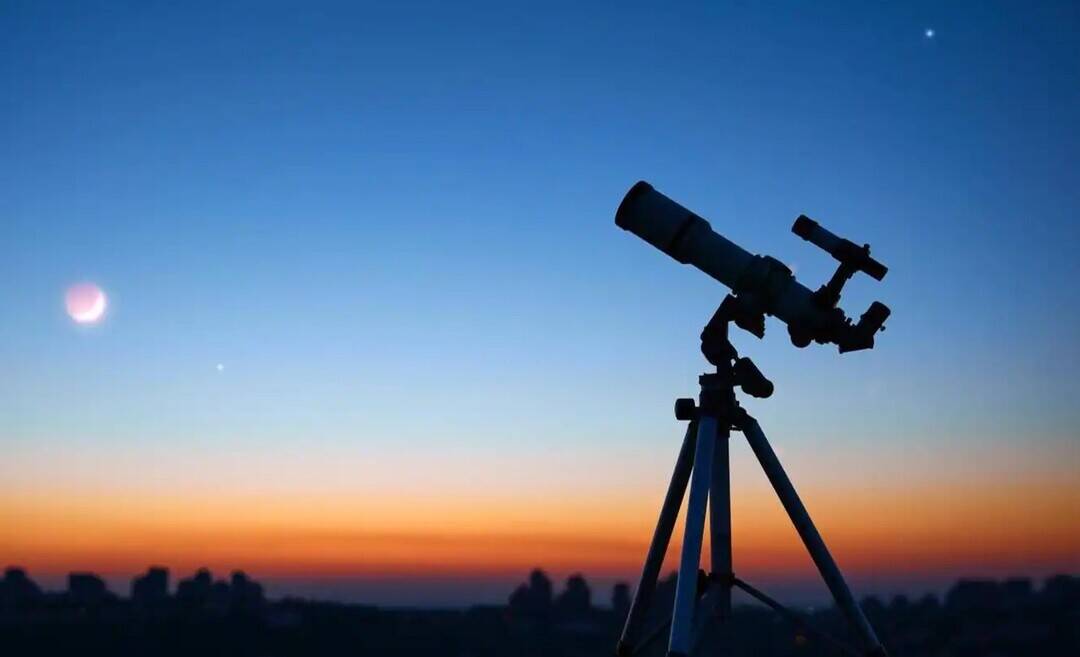
For those interested in observing these celestial events, it’s essential to have a basic understanding of astronomy and the necessary equipment. A pair of binoculars or a telescope can greatly enhance the viewing experience, and there are many online resources and mobile apps available that can help stargazers locate and identify celestial objects in the night sky. Additionally, many astronomy clubs and observatories offer viewing nights and public events, where enthusiasts can gather to observe and learn about the wonders of the universe.
In conclusion, January 2026 promises to be an exciting month for astronomy enthusiasts, with a range of celestial events that offer something for everyone. From Jupiter’s opposition to the Saturn-Moon conjunction, and the Beehive Cluster, there are plenty of opportunities to explore the night sky and appreciate the beauty of our universe. Whether you’re a seasoned astronomer or just starting to develop an interest in stargazing, these events are sure to inspire and educate, and provide a deeper appreciation for the wonders of the cosmos.
As we look to the skies in January 2026, we are reminded of the infinite mysteries and wonders that await us in the universe. With the help of NASA and other space agencies, we continue to explore and understand the workings of the cosmos, and events like these celestial alignments serve as a reminder of the awe-inspiring beauty and complexity of the universe. So mark your calendars, grab your binoculars or telescope, and get ready to experience the magic of the night sky in January 2026.
News Source: https://www.newsbytesapp.com/news/science/missed-the-wolf-moon-january-still-offers-more-celestial-events/story
About the Author