Which celestial events to look out for in January 2026?
As we step into the new year, astronomy enthusiasts have a lot to look forward to. NASA has released a guide highlighting several celestial events that will take place in January 2026, making it an exciting month for stargazers. From planetary oppositions to lunar conjunctions, and even a beautiful star cluster, there’s something for everyone to enjoy in the night sky. In this blog post, we’ll delve into the details of these events and provide you with a comprehensive guide on what to look out for in January 2026.
First up, we have Jupiter’s opposition on January 10. This occurs when Earth lies directly between Jupiter and the Sun, making the planet visible all night long. Jupiter will be at its closest point to Earth, making it an ideal time for observation. With a telescope or a pair of binoculars, you can witness the planet’s distinctive banded pattern and even spot some of its moons. Jupiter’s opposition is a significant event, as it allows astronomers to study the planet’s atmosphere, magnetic field, and ring system in greater detail.
Another notable event in January 2026 is the Saturn-Moon conjunction on January 23. On this day, Saturn will appear just below the Moon in the western evening sky, making for a stunning visual spectacle. As the Moon orbits the Earth, it will pass close to Saturn, creating a beautiful alignment that’s sure to impress. This conjunction is a great opportunity to observe Saturn’s rings and moons, as well as the Moon’s cratered surface. With a telescope, you can even spot some of Saturn’s prominent moons, such as Titan and Enceladus.
In addition to these planetary events, January 2026 also offers a chance to observe a beautiful star cluster. The Beehive Cluster, located in the Cancer constellation, will be visible throughout the month. This cluster is a stunning example of an open cluster, comprising hundreds of stars that are loosely bound together by gravity. With a pair of binoculars or a telescope, you can witness the cluster’s intricate structure and observe the individual stars that make up this celestial wonder. The Beehive Cluster is a popular target for astronomers and astrophotographers, and its visibility in January 2026 makes it an ideal time to capture some stunning images.
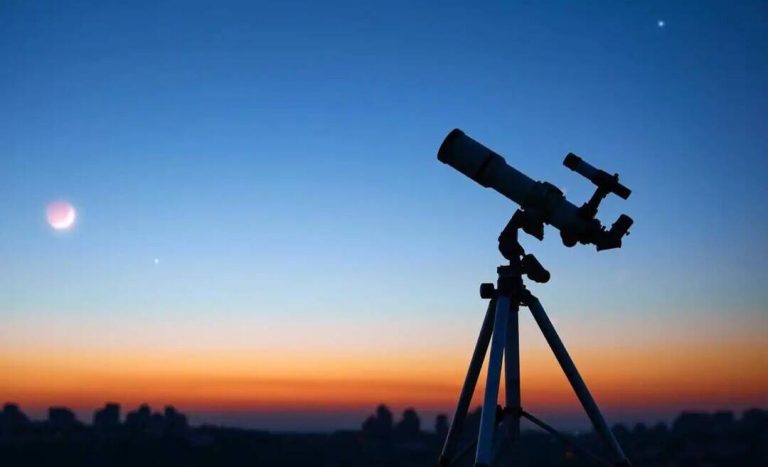
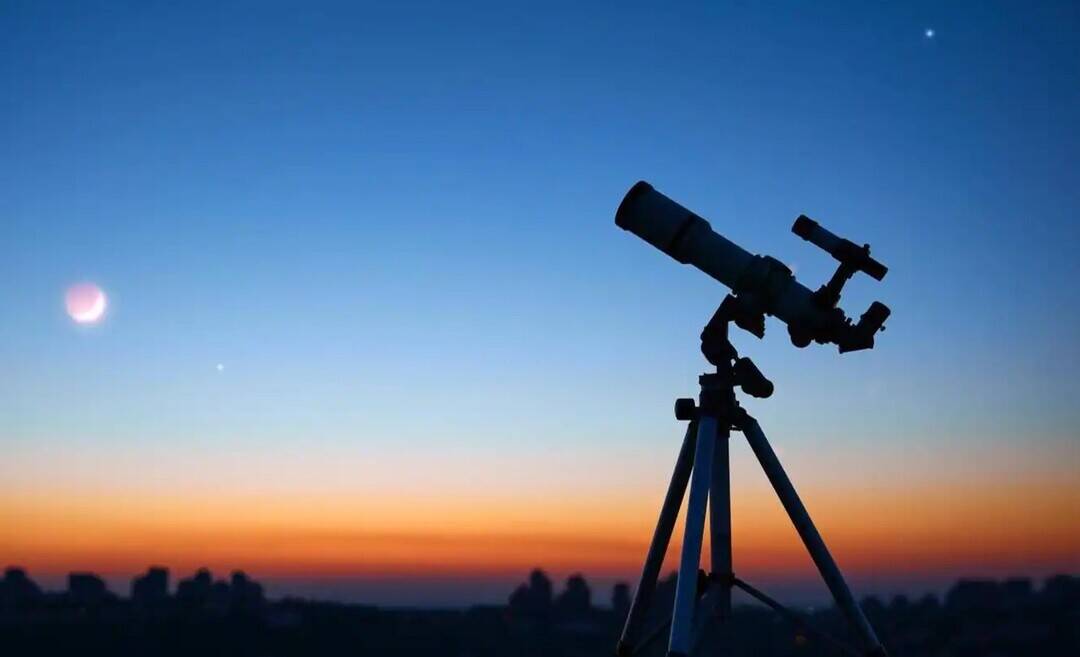
To make the most of these celestial events, it’s essential to have a good understanding of the night sky and the equipment needed to observe them. For beginners, a pair of binoculars or a basic telescope can be a great starting point. More experienced astronomers can use more advanced equipment, such as computerized telescopes or specialized cameras, to capture high-resolution images and spectra of the celestial objects.
In addition to the events mentioned above, January 2026 also offers a range of other celestial phenomena to explore. The Quadrantid meteor shower, which peaks on January 3-4, is a great opportunity to observe some shooting stars. The shower is active from December 28 to January 12, and its peak rate can reach up to 40 meteors per hour. Another notable event is the Venus-Jupiter conjunction on January 15, when the two planets will appear close together in the eastern morning sky.
As we look to the night sky in January 2026, it’s essential to remember the importance of astronomy in our daily lives. By studying the celestial bodies and events, we can gain a deeper understanding of the universe and its many mysteries. From the formation of stars and galaxies to the search for life beyond Earth, astronomy plays a vital role in advancing our knowledge and inspiring future generations.
In conclusion, January 2026 promises to be an exciting month for astronomy enthusiasts, with a range of celestial events to look out for. From Jupiter’s opposition to the Saturn-Moon conjunction, and the stunning Beehive Cluster, there’s something for everyone to enjoy. Whether you’re a seasoned astronomer or just starting to explore the night sky, these events are sure to inspire and educate. So mark your calendars, grab your binoculars or telescope, and get ready to witness some of the most spectacular celestial events of the year.
News source: https://www.newsbytesapp.com/news/science/missed-the-wolf-moon-january-still-offers-more-celestial-events/story
About the Author