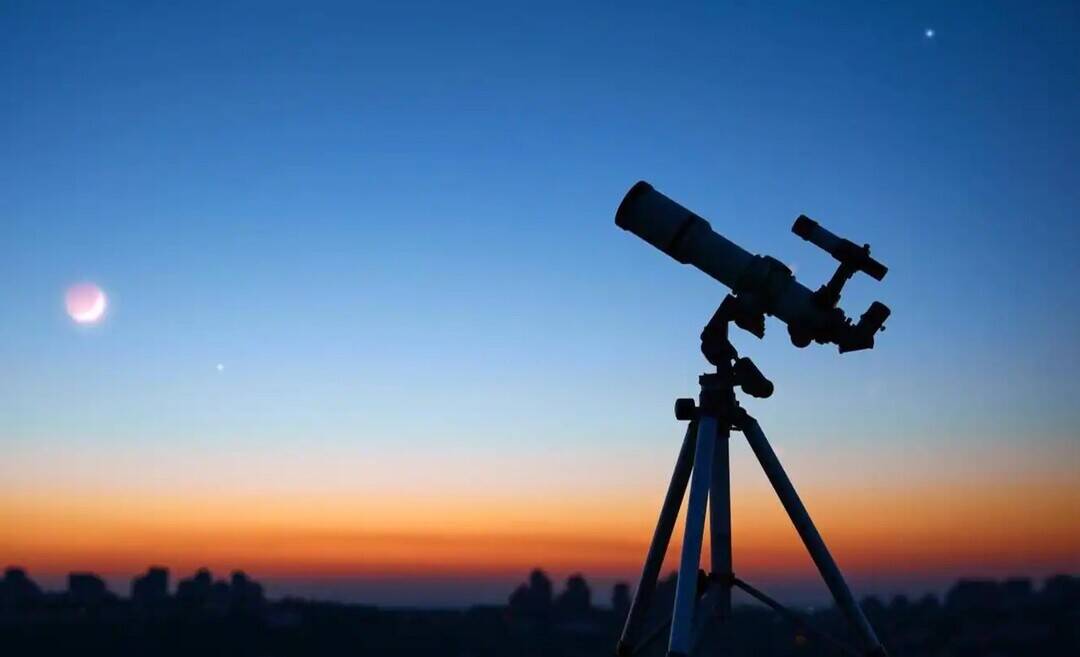
Which celestial events to look out for in January 2026?
As the world welcomed the new year, space enthusiasts and astronomy buffs were eager to know what the first month of 2026 had in store for them. Fortunately, NASA has released a guide highlighting several celestial events that will take place in January 2026, giving stargazers plenty of opportunities to witness breathtaking phenomena in the night sky. In this blog post, we will delve into the exciting events that are expected to occur in January 2026, and provide you with all the information you need to make the most of these celestial spectacles.
One of the most significant events in January 2026 is Jupiter’s opposition, which will take place on January 10. During this event, Earth will lie directly between Jupiter and the Sun, making the planet visible all night long in the sky. This is an ideal time for astronomers and amateur stargazers to observe Jupiter, as it will be at its closest point to Earth and will appear brighter than usual. Jupiter’s opposition is a relatively rare event, occurring only once every 13 months, so it’s an opportunity that shouldn’t be missed.
Another notable event in January 2026 is the Saturn-Moon conjunction, which will occur on January 23. On this day, Saturn will appear just below the Moon in the western evening sky, making for a stunning visual spectacle. The conjunction will be visible to the naked eye, and observers can use binoculars or a telescope to get a closer look at the ringed planet and the Moon. This event is a great opportunity for photographers to capture the beauty of the Saturn-Moon conjunction, and for astronomy enthusiasts to learn more about the planet’s orbit and behavior.
In addition to these two major events, January 2026 will also offer stargazers the chance to observe the Beehive Cluster, a beautiful open cluster of stars located in the Cancer constellation. The Beehive Cluster, also known as M44, is one of the nearest open clusters to the Sun and is visible to the naked eye on clear nights. Throughout the month, the cluster will be visible in the western sky, making it an ideal target for astronomers and astrophotographers. The Beehive Cluster is a great example of the beauty and complexity of the universe, and its observation can provide valuable insights into the formation and evolution of star clusters.
January 2026 will also be a great time to observe other celestial objects, including planets, asteroids, and comets. The planet Mercury will be visible in the eastern sky before sunrise, while Venus will shine brightly in the western sky after sunset. The asteroid Vesta will be at opposition on January 15, making it a great target for astronomers and asteroid enthusiasts. Additionally, several comets will be visible in the sky, including Comet C/2025 O1, which will be at its closest point to Earth on January 20.
To make the most of these celestial events, it’s essential to have the right equipment and to plan ahead. Here are some tips for observing the Jupiter opposition, Saturn-Moon conjunction, and other events:
- Use a pair of binoculars or a telescope to get a closer look at the planets and celestial objects.
- Find a dark location with minimal light pollution to improve your chances of seeing faint objects.
- Dress warmly and bring a chair or blanket to make your observing session more comfortable.
- Use a star chart or planetarium software to plan your observing session and identify the objects you want to see.
- Take your time and be patient, as the best views often come after a few hours of observing.
In conclusion, January 2026 promises to be an exciting month for astronomy enthusiasts and stargazers. With Jupiter’s opposition, the Saturn-Moon conjunction, and the visibility of the Beehive Cluster, there are plenty of opportunities to witness breathtaking celestial events. Whether you’re a seasoned astronomer or just starting to explore the night sky, these events are sure to inspire and educate you about the wonders of the universe. So mark your calendars, grab your binoculars or telescope, and get ready to explore the cosmos in January 2026.
News source: https://www.newsbytesapp.com/news/science/missed-the-wolf-moon-january-still-offers-more-celestial-events/story
About the Author