Which celestial events to look out for in January 2026?
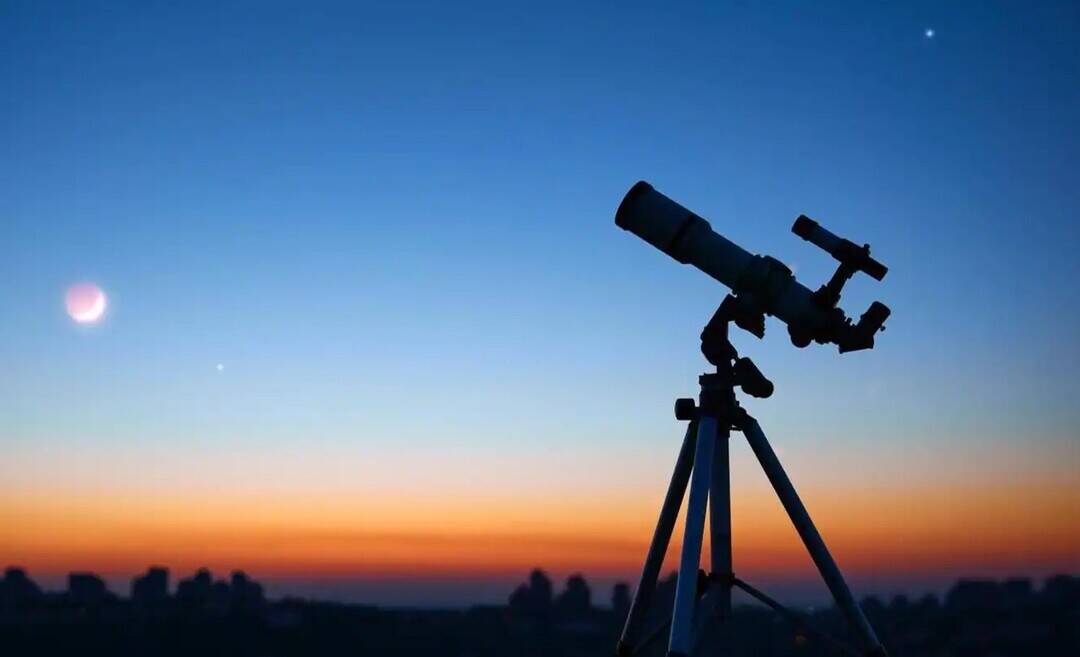
As we bid farewell to the first week of January 2026, space enthusiasts and stargazers are in for a treat. NASA has released a guide highlighting several celestial events that will take place throughout the month, offering a plethora of opportunities to gaze up at the night sky and witness some of the most spectacular astronomical phenomena. In this blog post, we’ll delve into the details of these events, providing you with a comprehensive guide on what to look out for and when.
First up, on January 10, Jupiter will reach opposition, a phenomenon that occurs when Earth lies directly between Jupiter and the Sun. This alignment will make Jupiter visible all night long, rising in the east as the Sun sets in the west. As the largest planet in our solar system, Jupiter is a sight to behold, with its distinctive banded appearance and massive size. On the night of January 10, Jupiter will be at its closest point to Earth, making it an ideal time for observation. Whether you’re using a pair of binoculars or a telescope, you’ll be able to witness the planet’s stunning features, including the Great Red Spot, a giant storm that has been raging for centuries.
Another notable event in January 2026 is the Saturn-Moon conjunction, which will take place on January 23. On this evening, Saturn will appear just below the Moon in the western evening sky, creating a striking visual effect. As the Moon orbits the Earth, it will pass close to Saturn, making it an excellent opportunity to spot the ringed planet. Saturn is one of the most recognizable planets in our solar system, with its stunning ring system and unique moons. As the Moon and Saturn converge, you’ll be able to see the two celestial bodies in close proximity, making for a breathtaking sight.
In addition to these two major events, the Beehive Cluster in the Cancer constellation will be visible throughout the month of January. Also known as M44, the Beehive Cluster is an open cluster of stars that is one of the closest and most accessible to Earth. Located about 577 light-years away, the cluster contains hundreds of stars, making it a stunning sight for stargazers. The Beehive Cluster is best viewed with a pair of binoculars or a telescope, which will allow you to see the individual stars and appreciate the cluster’s intricate structure.
Other notable celestial events in January 2026 include the Quadrantid meteor shower, which will peak on January 4. Although the shower is not as intense as some of the other meteor showers throughout the year, it still promises to deliver some spectacular shooting stars. The best time to view the Quadrantid meteor shower is in the pre-dawn hours, when the sky is at its darkest. Find a comfortable spot, away from city lights, and get ready to witness the magic of meteors streaking across the sky.
As we explore the night sky in January 2026, it’s essential to remember the importance of dark skies. With the increasing presence of light pollution, it’s becoming more challenging to find locations with truly dark skies. However, by seeking out areas with minimal artificial lighting, you’ll be able to appreciate the full beauty of the celestial events. Whether it’s a national park, a remote location, or simply your backyard, make sure to find a spot that allows you to immerse yourself in the wonders of the universe.
In conclusion, January 2026 promises to be an exciting month for stargazers and space enthusiasts. With Jupiter’s opposition, the Saturn-Moon conjunction, and the Beehive Cluster all visible throughout the month, there’s no shortage of celestial events to look out for. Whether you’re a seasoned astronomer or just starting to explore the night sky, these events offer a unique opportunity to appreciate the beauty and wonder of the universe. So mark your calendars, grab your binoculars or telescope, and get ready to witness some of the most spectacular celestial phenomena of the year.
News Source: https://www.newsbytesapp.com/news/science/missed-the-wolf-moon-january-still-offers-more-celestial-events/story
About the Author