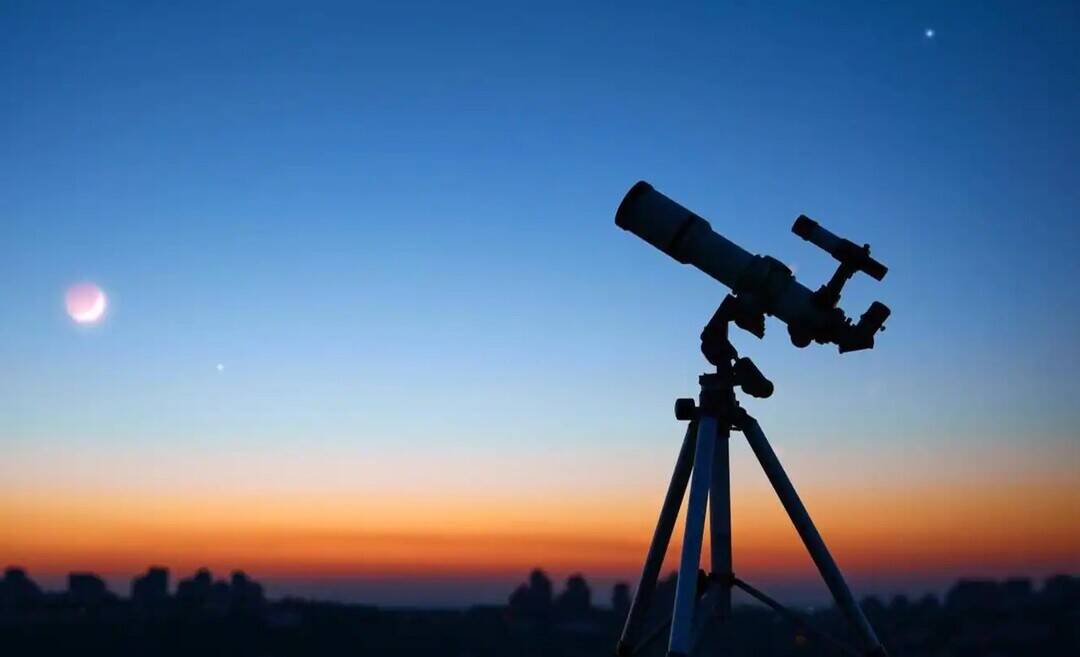
Which celestial events to look out for in January 2026?
As we step into the new year, astronomy enthusiasts have a lot to look forward to. NASA has released a guide highlighting several celestial events that will take place in January 2026, making it an exciting month for stargazers. From planetary alignments to stunning astronomical formations, there’s something for everyone to enjoy. In this blog post, we’ll delve into the details of these events and provide you with a comprehensive guide on what to expect.
First up, we have Jupiter’s opposition on January 10. This occurs when Earth lies directly between Jupiter and the Sun, making the planet visible all night long. Jupiter will be at its closest point to Earth, making it an ideal time for observation. With a telescope or a pair of binoculars, you’ll be able to see the planet’s distinctive banded pattern and even spot some of its moons. This event is a great opportunity for astronomers to study Jupiter’s atmosphere and magnetic field in greater detail.
Another notable event in January is the Saturn-Moon conjunction on January 23. On this day, Saturn will appear just below the Moon in the western evening sky, making for a breathtaking sight. As the Sun sets, look for the Moon and Saturn to rise together, creating a beautiful alignment that’s sure to leave you in awe. This conjunction is a great chance to observe Saturn’s rings and moons, and with the Moon nearby, you’ll be able to appreciate the scale and beauty of our solar system.
In addition to these planetary events, January is also a great time to observe the Beehive Cluster, also known as M44. Located in the Cancer constellation, this stunning open cluster is visible throughout the month and is a treat for astronomers of all levels. The Beehive Cluster is a sprawling collection of stars that are held together by gravity, and its unique shape and structure make it a fascinating sight to behold. With a pair of binoculars or a small telescope, you’ll be able to see the individual stars that make up the cluster, as well as the surrounding nebulosity.
For those interested in meteor showers, January has a few treats in store. The Quadrantid meteor shower, which peaks on January 4, is one of the most active showers of the year. Although the Moon will be in its gibbous phase, making it harder to spot faint meteors, you can still expect to see some bright shooting stars streaking across the sky. The Quadrantid meteor shower is known for producing some of the brightest and most spectacular meteors, so it’s definitely worth staying up late to catch a glimpse.
Finally, January is a great time to observe the winter constellations, which are now at their highest point in the sky. Constellations like Orion, Taurus, and Gemini are visible all night long, and their distinctive patterns make it easy to navigate the night sky. With a star chart or a planetarium app, you can learn more about the mythology and science behind these constellations and appreciate the beauty of the night sky.
In conclusion, January 2026 is shaping up to be an exciting month for astronomy enthusiasts. With Jupiter’s opposition, the Saturn-Moon conjunction, and the Beehive Cluster all visible throughout the month, there’s no shortage of celestial events to look out for. Whether you’re a seasoned astronomer or just starting to explore the night sky, these events are sure to leave you in awe of the beauty and wonder of the universe.
So mark your calendars, grab your binoculars or telescope, and get ready to experience the magic of the night sky. Whether you’re observing from a dark sky location or simply gazing up at the stars from your backyard, January 2026 is sure to be a month to remember.
News Source: https://www.newsbytesapp.com/news/science/missed-the-wolf-moon-january-still-offers-more-celestial-events/story
About the Author