Which celestial events to look out for in January 2026?
As we step into the new year, stargazers and astronomy enthusiasts have a lot to look forward to. NASA has released a guide highlighting several celestial events that will take place in January 2026, offering a unique opportunity to witness some breathtaking sights in the night sky. From planetary alignments to stunning star clusters, this month is packed with exciting events that are sure to captivate anyone interested in the wonders of the universe.
One of the most significant events in January 2026 is Jupiter’s opposition, which will occur on January 10. During this time, Earth will lie directly between Jupiter and the Sun, making the planet visible all night long in the sky. This alignment is known as opposition because Jupiter will be on the opposite side of the Earth from the Sun, allowing observers to see the planet in all its glory. Jupiter’s opposition is a rare event, and it’s an excellent opportunity for astronomers and stargazers to study the planet’s atmosphere, moons, and rings.
Another notable event in January 2026 is the Saturn-Moon conjunction, which will take place on January 23. On this day, Saturn will appear just below the Moon in the western evening sky, creating a beautiful and striking sight. The conjunction will be visible to the naked eye, and observers can use binoculars or a telescope to get a closer look at the ringed planet and its moons. This event is a great opportunity for photographers to capture stunning images of the Saturn-Moon conjunction, with the planet’s rings and the Moon’s cratered surface making for a dramatic and memorable shot.
In addition to these planetary alignments, January 2026 will also offer stargazers a chance to witness the beauty of the Beehive Cluster, a stunning star cluster located in the Cancer constellation. The Beehive Cluster, also known as M44, is an open cluster that contains hundreds of stars, all of which are visible through binoculars or a telescope. The cluster will be visible throughout the month, offering observers a chance to study its structure and beauty. The Beehive Cluster is a great target for amateur astronomers, as it’s relatively easy to find and observe, and its beauty is sure to inspire and awe anyone who sees it.
Other celestial events in January 2026 include the Quadrantid meteor shower, which will peak on January 4, and the Uranus-Moon conjunction, which will take place on January 15. The Quadrantid meteor shower is one of the most active and reliable meteor showers of the year, producing up to 40 meteors per hour at its peak. The Uranus-Moon conjunction will offer observers a chance to see the icy planet in the same field of view as the Moon, making for a unique and interesting sight.
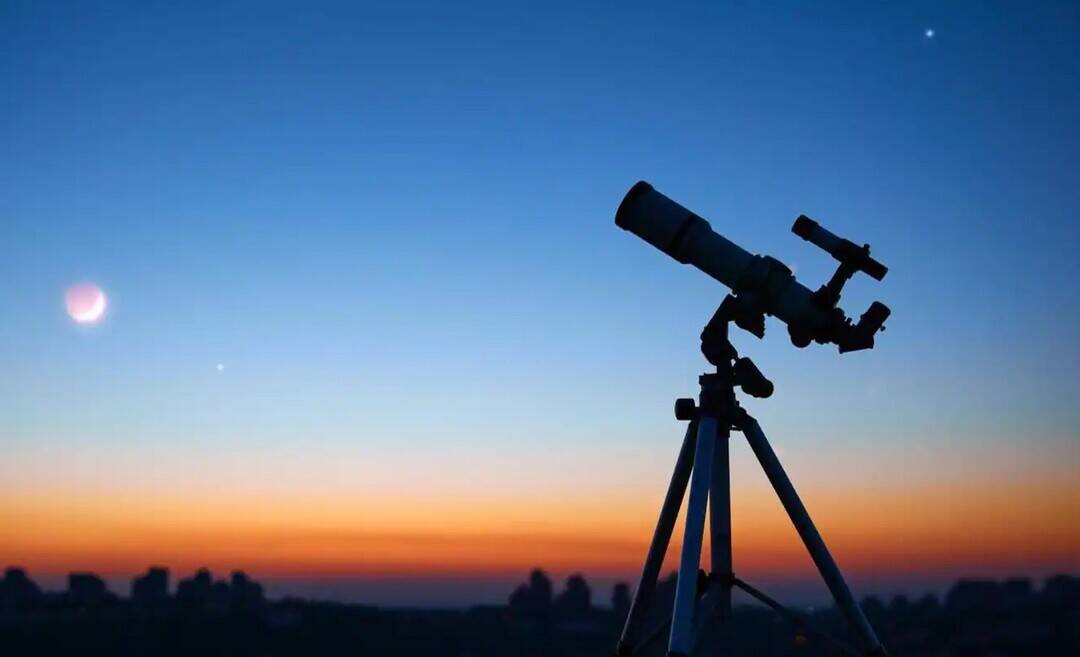
To make the most of these celestial events, observers will need to find a dark location with minimal light pollution, as well as a clear view of the western horizon. Binoculars or a telescope will also be necessary to get a closer look at the planets, stars, and other objects in the sky. It’s also a good idea to dress warmly and bring a comfortable chair or blanket, as observing the night sky can be a long and rewarding experience.
In conclusion, January 2026 is shaping up to be an exciting month for stargazers and astronomy enthusiasts, with a range of celestial events that are sure to captivate and inspire. From Jupiter’s opposition to the Saturn-Moon conjunction, and from the Beehive Cluster to the Quadrantid meteor shower, there’s something for everyone to enjoy. Whether you’re a seasoned astronomer or just starting to explore the wonders of the universe, these events are sure to leave you in awe of the beauty and complexity of the night sky.
So mark your calendars, grab your binoculars or telescope, and get ready to witness some of the most incredible celestial events of the year. With a little planning and preparation, you can make the most of these events and enjoy a month of stargazing that you’ll never forget.
News Source: https://www.newsbytesapp.com/news/science/missed-the-wolf-moon-january-still-offers-more-celestial-events/story
About the Author