Which celestial events to look out for in January 2026?
As we step into the new year, astronomy enthusiasts have a lot to look forward to. NASA has released a guide highlighting several celestial events that will take place in January 2026, offering stargazers a chance to witness some breathtaking sights in the night sky. From planetary alignments to lunar conjunctions, this month promises to be an exciting time for those interested in exploring the wonders of the universe.
One of the most significant events in January 2026 is Jupiter’s opposition, which will occur on January 10. During this time, Earth will lie directly between Jupiter and the Sun, making the planet visible all night long in the sky. This alignment is known as opposition because Jupiter will be on the opposite side of the Earth from the Sun, allowing observers to see the planet in its entirety. Jupiter’s opposition is a relatively rare event, and this month provides a unique opportunity to witness the gas giant in all its glory.
Another notable event in January 2026 is the Saturn-Moon conjunction, which will take place on January 23. On this day, Saturn will appear just below the Moon in the western evening sky, creating a stunning visual effect. As the Moon orbits the Earth, it will pass close to Saturn, making it an ideal time to observe the ringed planet. The conjunction will be visible to the naked eye, but binoculars or a telescope can provide a more detailed view of the Saturn’s rings and the Moon’s surface.
In addition to these planetary events, the Beehive Cluster in the Cancer constellation will be visible throughout the month. Also known as M44, the Beehive Cluster is an open cluster of stars that is one of the closest to Earth. It is a popular target for amateur astronomers and can be seen with binoculars or a small telescope. The cluster is named for its resemblance to a swarm of bees and is a beautiful sight to behold in the night sky.
The Beehive Cluster is a great target for beginner astronomers, as it is relatively easy to find and observe. It is located in the constellation of Cancer, which is one of the most recognizable constellations in the sky. To find the Beehive Cluster, simply look for the distinctive “Y” shape of the Cancer constellation and then scan the area with binoculars or a telescope. The cluster will appear as a faint, fuzzy patch of light, with individual stars becoming visible as you zoom in.
January 2026 also offers a chance to observe several other celestial objects, including the Orion Nebula and the Pleiades star cluster. The Orion Nebula is a stunning example of a star-forming region, with gas and dust condensing to form new stars. The Pleiades, also known as the Seven Sisters, is an open cluster of stars that is one of the most beautiful sights in the night sky.
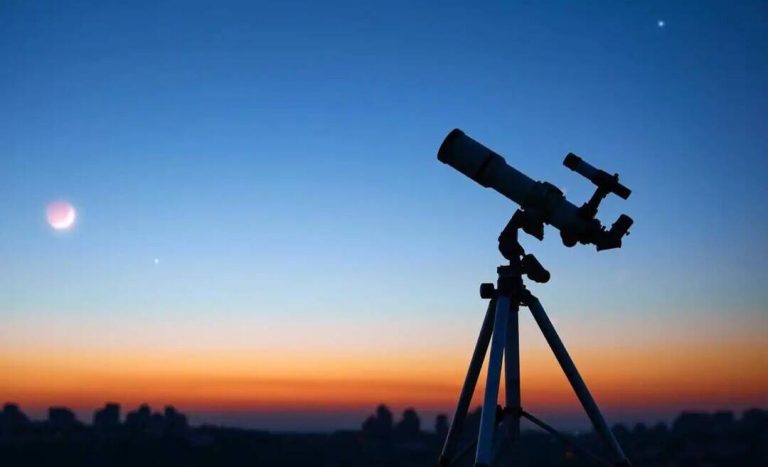
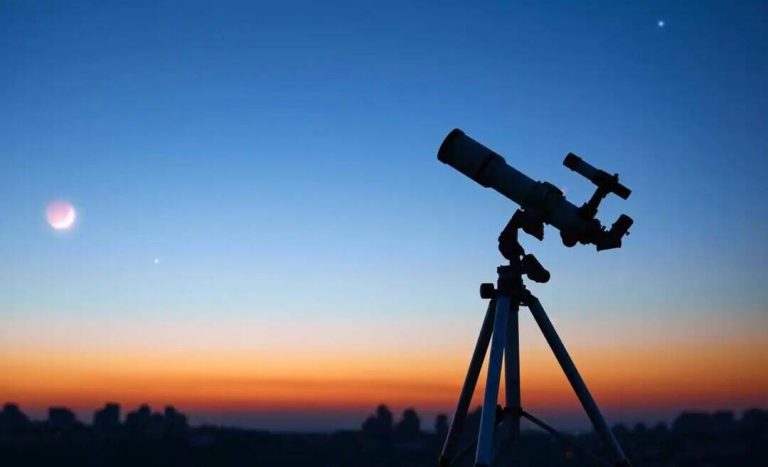
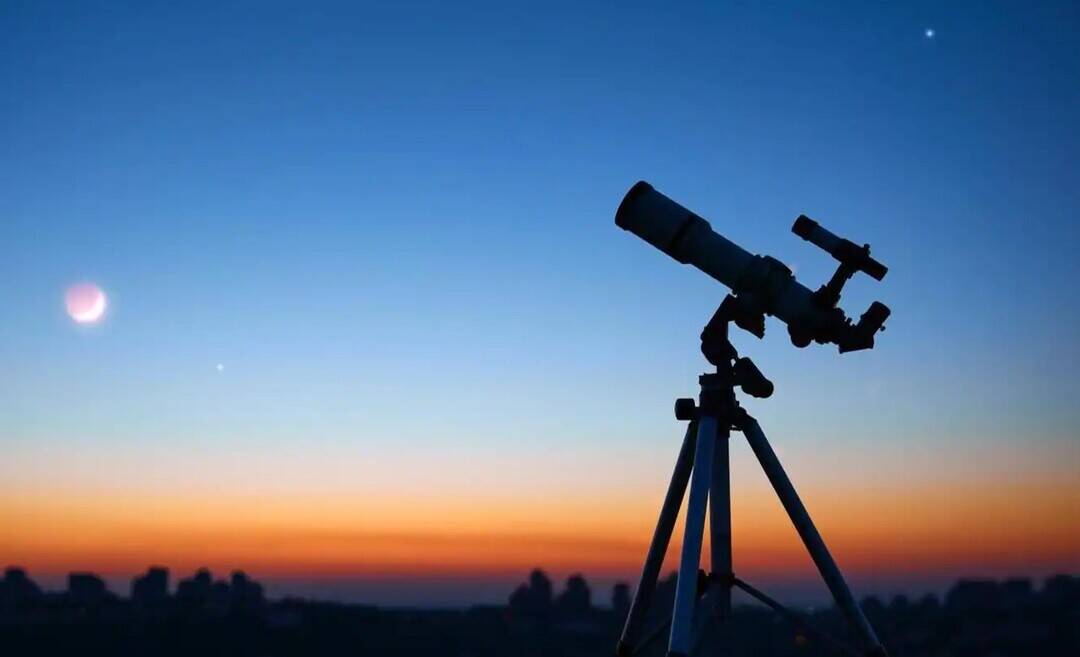
To make the most of these celestial events, it is essential to have the right equipment and to plan ahead. A pair of binoculars or a small telescope can be a great starting point for beginner astronomers, while more experienced observers may want to use a larger telescope to get a closer look at the planets and stars. It is also important to find a dark location with minimal light pollution, as this will allow you to see the celestial objects more clearly.
In conclusion, January 2026 promises to be an exciting month for astronomy enthusiasts, with several celestial events to look out for. From Jupiter’s opposition to the Saturn-Moon conjunction, and the Beehive Cluster, there is something for everyone to enjoy. Whether you are a beginner or an experienced astronomer, these events offer a chance to explore the wonders of the universe and to appreciate the beauty of the night sky.
So mark your calendars and get ready to gaze up at the stars in January 2026. With the right equipment and a little planning, you can witness some of the most breathtaking celestial events of the year. And who knows, you may just discover a new passion for astronomy that will stay with you for the rest of your life.
News Source: https://www.newsbytesapp.com/news/science/missed-the-wolf-moon-january-still-offers-more-celestial-events/story
About the Author