When was the coldest day ever recorded on Earth?
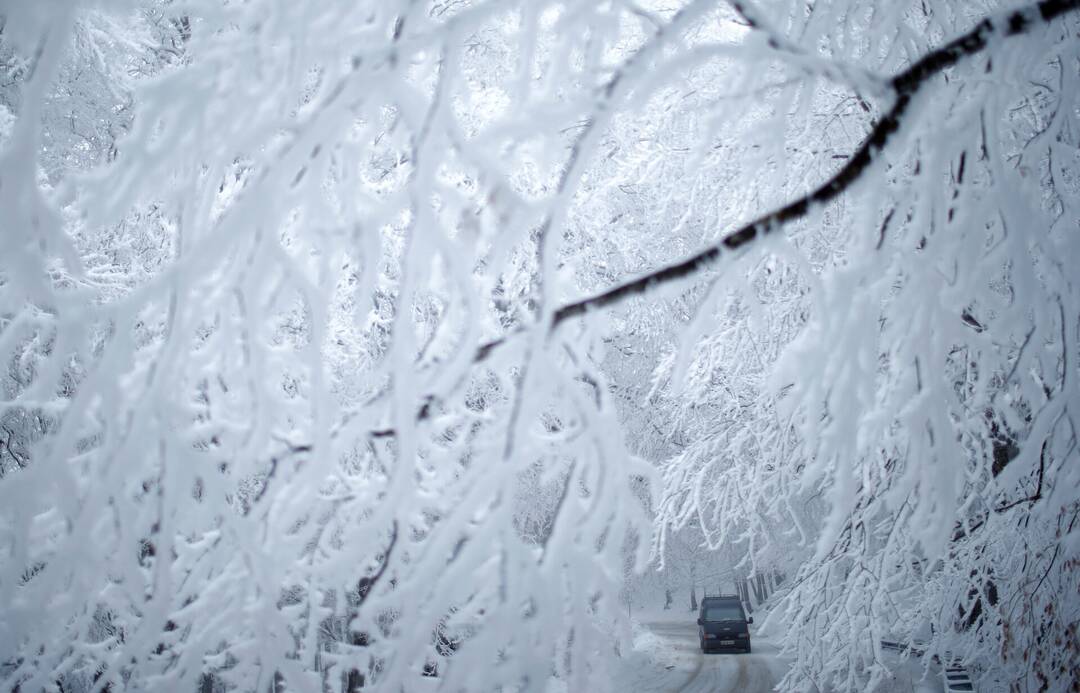
The extreme cold is a fascinating and often intimidating aspect of our planet’s climate. While many of us are accustomed to mild winters or even warm temperatures year-round, there are certain regions on Earth where the cold can be truly brutal. One such place is Antarctica, which is known for its harsh and unforgiving climate. It was here, at Russia’s Vostok research station, that the coldest day ever recorded on Earth took place.
During the southern hemisphere winter on July 21, 1983, temperatures at the Vostok research station plunged to a staggering -89.2°C. This is an astonishing 54°C colder than the winter average in the region, and it’s a temperature that is almost unimaginable to most of us. To put it into perspective, the average temperature in Antarctica during the winter months is around -35°C, which is already extremely cold. But on that day in 1983, the temperature dropped to a level that is rarely seen anywhere on Earth.
The Vostok research station was chosen by the Soviet Union as a site for drilling deep into ancient ice, with the aim of gathering valuable data on the Earth’s climate history. The station is located in the center of the Antarctic Plateau, which is one of the coldest and driest places on the planet. The extreme cold and dryness of the region make it an ideal location for preserving ancient ice cores, which can provide scientists with a wealth of information about the Earth’s climate history.
The temperature reading of -89.2°C was recorded using a thermometer located about 2 meters above the surface of the ice. This reading was confirmed by Guinness World Records as the lowest temperature ever recorded on Earth, and it remains one of the most extreme temperature readings ever recorded.
It’s worth noting that this temperature reading was not a one-time anomaly. The Vostok research station has consistently recorded some of the coldest temperatures on Earth, with an average winter temperature of around -58°C. The station has also recorded temperatures as low as -86.5°C, which is just a few degrees warmer than the record low.
So, what makes Antarctica so cold? The answer lies in the continent’s unique geography and climate. Antarctica is located at the South Pole, which means that it receives very little sunlight during the winter months. The sun’s rays have to travel through more of the Earth’s atmosphere to reach the continent, which means that much of the sun’s energy is absorbed or scattered before it reaches the surface. This results in a significant reduction in temperature.
Additionally, Antarctica is a vast and elevated continent, with an average elevation of over 2,500 meters. This elevation, combined with the extreme dryness of the air, means that the heat from the sun is quickly lost to space, resulting in extremely cold temperatures.
The cold temperatures in Antarctica are also influenced by the strong winds that blow across the continent. These winds, known as katabatic winds, are formed when cold air flows down a slope or incline, picking up speed and becoming increasingly cold. The katabatic winds in Antarctica can reach speeds of up to 320 km/h, making them some of the strongest and coldest winds on Earth.
The coldest day ever recorded on Earth is a fascinating and extreme example of the planet’s climate. The temperature reading of -89.2°C at the Vostok research station is a reminder of the incredible diversity and complexity of the Earth’s climate system. It’s also a testament to the dedication and bravery of the scientists who work in these extreme environments, often in the face of incredible hardship and danger.
In conclusion, the coldest day ever recorded on Earth took place on July 21, 1983, at Russia’s Vostok research station in Antarctica, when the temperature plummeted to -89.2°C. This extreme temperature reading is a record that is unlikely to be broken anytime soon, and it serves as a reminder of the incredible extremes that exist on our planet.
News Source: https://www.guinnessworldrecords.com/world-records/66137-lowest-temperature-recorded-on-earth
About the Author