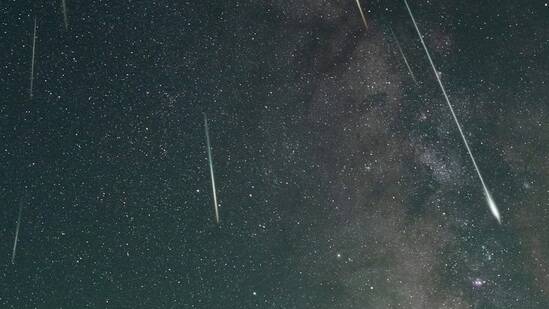
When and where to watch Geminid meteor shower in India?
The night sky is set to be ablaze with a spectacular display of shooting stars as the Geminid meteor shower is expected to peak on the intervening night of December 13-14. This annual event is one of the most anticipated and widely observed meteor showers in the world, and India is no exception. If you’re eager to witness this celestial spectacle, here’s everything you need to know about when and where to watch the Geminid meteor shower in India.
Peak Time and Date
According to astronomical predictions, the Geminid meteor shower is expected to peak on the night of December 13-14. As per Starscapes Zones, the best time for viewing the meteor shower in India is between midnight and 4 am on December 14. This time frame offers the ideal viewing conditions, with the sky at its darkest and the meteor shower at its most active.
Viewing Tips
To make the most of this experience, it’s essential to find a location with minimal light pollution. City lights can hinder your ability to spot the meteors, so try to find a spot away from urban areas. Look for a location with a clear horizon, and make sure to dress warmly, as you’ll be spending a few hours outdoors in the cold.
It’s also recommended to give your eyes at least 20 minutes to adjust to the dark, allowing you to spot the fainter meteors. Avoid using your phone or any other device with a screen, as the light emitted can disrupt your night vision. Instead, use a red light flashlight or a device with a red light mode to preserve your night vision.
Best Locations in India
While the Geminid meteor shower can be viewed from anywhere in India, some locations are more ideal than others due to their minimal light pollution and clear skies. Some of the best locations to watch the meteor shower in India include:
- Astronomical observatories: Many astronomical observatories in India, such as the Indian Institute of Astrophysics in Bangalore or the Nehru Planetarium in Mumbai, offer special viewing sessions for the Geminid meteor shower. These locations often have minimal light pollution and are equipped with telescopes and other astronomical equipment.
- National parks and wildlife sanctuaries: National parks and wildlife sanctuaries, such as the Jim Corbett National Park in Uttarakhand or the Periyar National Park in Kerala, offer a chance to escape the city lights and witness the meteor shower in a natural setting.
- Hill stations: Hill stations like Shimla, Manali, or Darjeeling offer a clear view of the night sky, making them ideal locations to watch the meteor shower.
What to Expect
The Geminid meteor shower is one of the most active and reliable meteor showers of the year, with an expected rate of 120 meteors per hour. The meteors are relatively fast-moving, with a speed of about 35 kilometers per second, and are often bright, making them easy to spot.
The meteor shower is caused by the Earth passing through the debris trail left behind by the asteroid 3200 Phaethon. As the Earth encounters this debris, the small particles enter the atmosphere, burning up and producing the bright streaks of light we see as meteors.
Conclusion
The Geminid meteor shower is a spectacular event that offers a unique opportunity to witness the beauty of the night sky. With its peak time on the intervening night of December 13-14, India is all set to witness this celestial spectacle. By finding a location with minimal light pollution and following the viewing tips, you can make the most of this experience. So mark your calendars, grab a blanket, and get ready to witness the Geminid meteor shower in all its glory.
About the Author