What has NASA said about pollution & stubble burning in North India?
The issue of pollution and stubble burning in North India has been a persistent concern for several years, with the region experiencing severe air quality deterioration during the winter months. The main culprit behind this environmental hazard is the practice of stubble burning, where farmers set fire to their crop residue after harvesting, releasing large amounts of pollutants into the atmosphere. Recently, NASA has weighed in on the issue, providing valuable insights into the patterns and impact of stubble burning in North India.
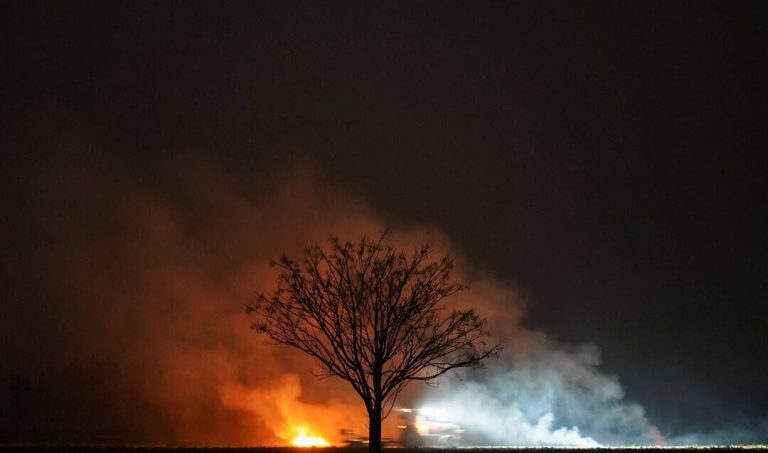
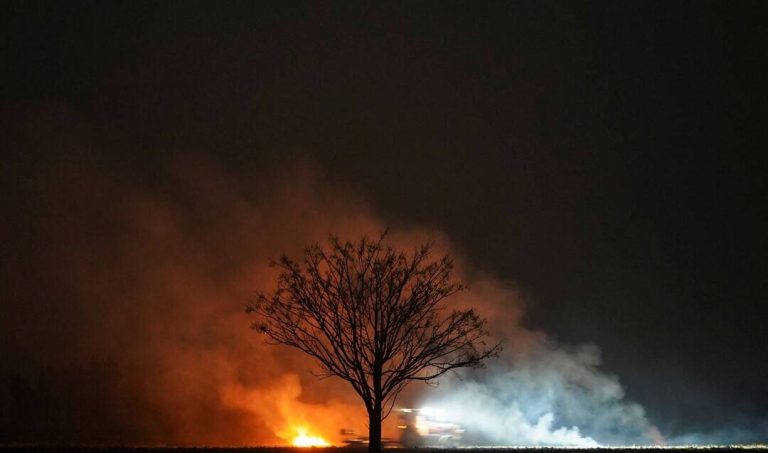
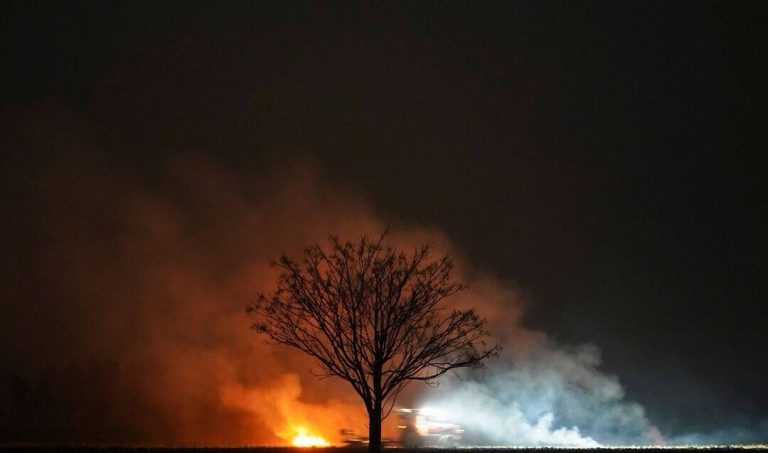
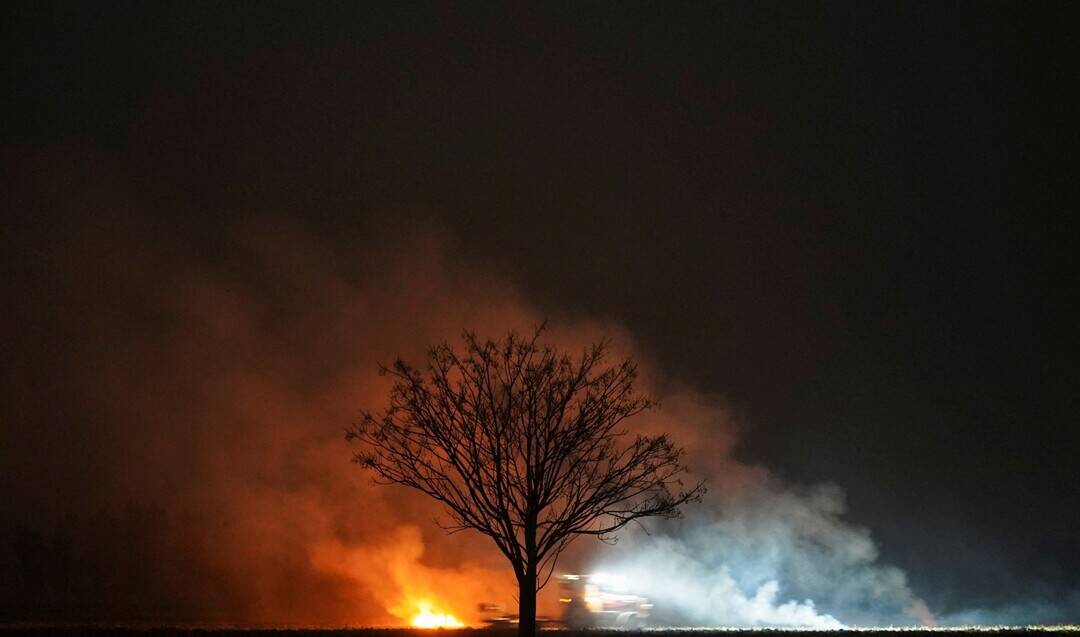
According to NASA, the overall pattern of the stubble-burning season in North India was as per predictions, with crop fires intensifying in October and leading to a significant deterioration in air quality in Delhi and nearby cities. However, the daily timing of the fires shifted, with farmers now burning their crop residue later in the day. This change in timing has complicated efforts to monitor the fires and their impact on air pollution.
The shift in the daily timing of stubble burning has made it more challenging for scientists to track the fires and assess their effects on air quality. Traditionally, crop fires in North India have been burned in the early morning hours, allowing for easier detection and monitoring by satellites. However, with the change in timing, the fires are now being burned later in the day, making it more difficult for satellites to distinguish between the fires and other heat sources, such as urban areas or industrial activities.
The impact of stubble burning on air quality in North India is significant, with the region experiencing severe pollution levels during the winter months. The burning of crop residue releases large amounts of particulate matter, carbon monoxide, and other pollutants into the atmosphere, which can have serious health implications for the population. The air quality deterioration in Delhi and nearby cities is a major concern, with the city’s air quality index often exceeding hazardous levels during the stubble-burning season.
NASA’s observations on stubble burning in North India are based on data from its satellites, which are equipped with advanced sensors to detect and monitor crop fires. The agency’s satellites have been tracking crop fires in the region for several years, providing valuable insights into the patterns and trends of stubble burning. By analyzing the data from its satellites, NASA scientists can identify the location, timing, and intensity of crop fires, which helps in understanding the impact of stubble burning on air quality.
The findings of NASA’s study on stubble burning in North India have significant implications for policymakers and stakeholders working to address the issue of air pollution in the region. The shift in the daily timing of stubble burning highlights the need for more effective monitoring and enforcement mechanisms to prevent the practice of crop residue burning. Additionally, the study underscores the importance of promoting alternative and sustainable practices for managing crop residue, such as mulching or composting, which can help reduce the environmental impact of stubble burning.
In recent years, the Indian government has implemented several measures to address the issue of stubble burning, including providing financial incentives to farmers to adopt alternative practices and promoting the use of machinery to manage crop residue. However, more needs to be done to effectively address the problem, and NASA’s findings can inform and support these efforts.
In conclusion, NASA’s observations on stubble burning in North India highlight the complexity and challenges of addressing the issue of air pollution in the region. The shift in the daily timing of stubble burning complicates efforts to monitor and track the fires, while the impact of the practice on air quality is significant and far-reaching. As the region continues to grapple with the problem of stubble burning, NASA’s findings can provide valuable insights and support for policymakers and stakeholders working to promote sustainable and environmentally friendly practices.
The issue of stubble burning in North India is a pressing concern that requires immediate attention and action. The region’s air quality is a significant public health concern, and the practice of stubble burning is a major contributor to the problem. By promoting alternative and sustainable practices for managing crop residue, and by supporting efforts to monitor and enforce laws against stubble burning, we can work towards reducing the environmental impact of this practice and improving the air quality in North India.
As we move forward, it is essential to continue monitoring and tracking the patterns and trends of stubble burning in North India. NASA’s satellites and sensors provide a valuable tool for this purpose, and the agency’s findings can inform and support efforts to address the issue. By working together and leveraging the power of science and technology, we can promote a more sustainable and environmentally friendly future for the region.
Source:
https://science.nasa.gov/earth/earth-observatory/new-timing-for-stubble-burning-in-india/
About the Author