What has NASA said about pollution & stubble burning in North India?
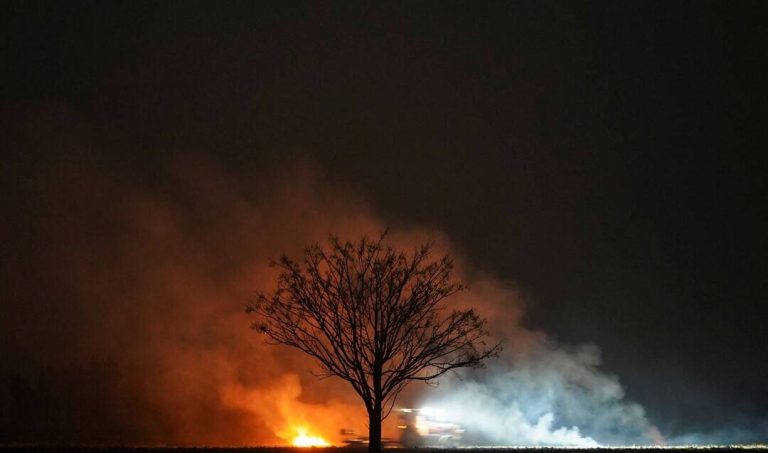
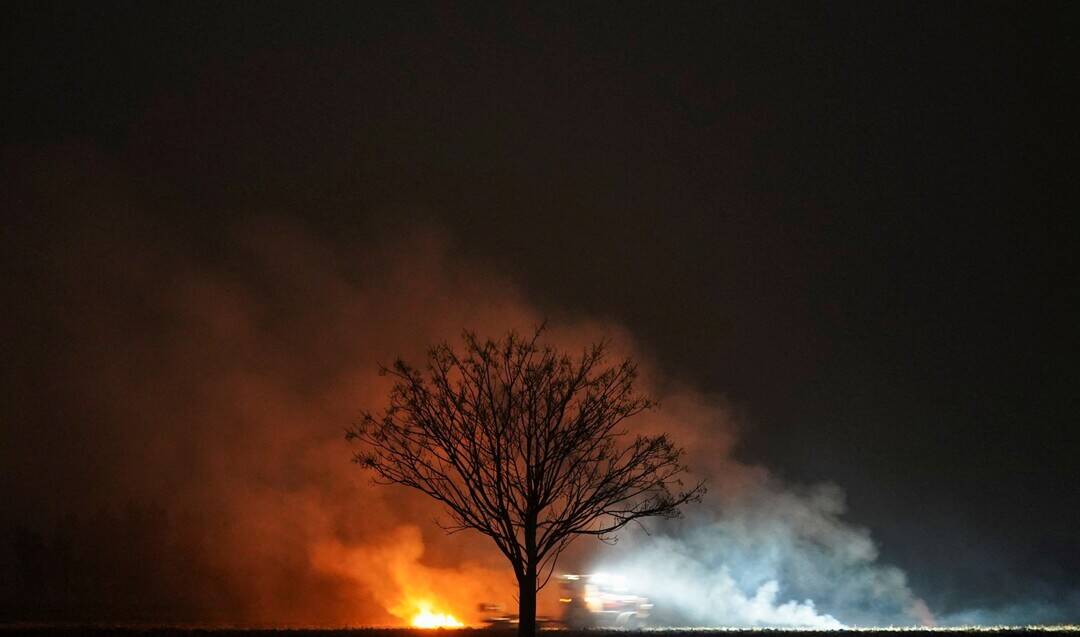
The issue of pollution and stubble burning in North India has been a longstanding concern for the region, with severe impacts on air quality and public health. Recently, NASA has weighed in on the matter, providing valuable insights into the patterns and effects of crop fires in the area. According to NASA, crop fires across northern India are being done later in the day, complicating efforts to monitor them and their impact on air pollution.
The overall pattern of the stubble-burning season was as per predictions, but the daily timing of fires shifted, making it more challenging to track and assess the situation. This change in timing has significant implications for air quality, particularly in Delhi and nearby cities, which experienced deteriorated air quality for about a month after crop fires intensified in October. In this blog post, we will delve into NASA’s findings and explore the broader context of pollution and stubble burning in North India.
The Stubble Burning Problem
Stubble burning, or the practice of setting fire to crop residues after harvest, is a common phenomenon in North India, particularly in the states of Punjab, Haryana, and Uttar Pradesh. The region’s fertile soil and favorable climate make it an ideal place for growing crops like wheat, rice, and sugarcane. However, the large amounts of residue generated by these crops pose a significant challenge for farmers, who often resort to burning them to quickly clear their fields for the next planting season.
While stubble burning may seem like a convenient solution for farmers, it has devastating consequences for the environment and public health. The smoke and pollutants released by these fires contribute to severe air pollution, exacerbating respiratory problems like asthma and other health issues. The toxic fumes also damage crops, contaminate water sources, and harm wildlife, making it a pressing concern for the entire ecosystem.
NASA’s Observations
NASA’s Earth Observatory has been closely monitoring the situation, using satellite imagery to track crop fires and their impact on air pollution. According to their findings, the overall pattern of the stubble-burning season was consistent with predictions, but the daily timing of fires shifted. Instead of burning crop residues in the morning, as was previously the case, farmers are now doing so later in the day.
This change in timing has significant implications for air quality monitoring and assessment. Satellite imagery, which is typically used to track crop fires, is more effective during the daytime when the sun is overhead. However, with farmers burning crop residues later in the day, the smoke and pollutants are more likely to be dispersed and diluted by the time the satellites pass over the area, making it harder to detect and quantify the impact of these fires.
Impact on Air Quality
The effects of stubble burning on air quality are well-documented. The smoke and pollutants released by these fires contribute to severe air pollution, particularly in Delhi and nearby cities. During the month of October, when crop fires intensified, air quality in the region deteriorated significantly, with particulate matter (PM) levels exceeding safe limits.
The situation is further complicated by the fact that Delhi is located in a basin, surrounded by the Himalayan Mountains to the north and the Aravalli Range to the south. This geography creates a bowl-like effect, trapping pollutants and preventing them from dispersing quickly. As a result, the city experiences some of the worst air quality in the world, with severe consequences for public health.
Solutions and Mitigation Strategies
While the issue of stubble burning and pollution in North India is complex and multifaceted, there are several solutions and mitigation strategies that can help alleviate the problem. One approach is to promote alternative methods of crop residue management, such as mulching or incorporating residues into the soil. These practices not only reduce the need for burning but also improve soil health and fertility.
Another strategy is to implement policies and incentives that encourage farmers to adopt sustainable practices. This could include providing subsidies or financial support for farmers who adopt alternative methods of crop residue management or investing in technologies that can help reduce pollution from crop fires.
Conclusion
The issue of pollution and stubble burning in North India is a pressing concern that requires immediate attention and action. NASA’s observations highlight the complexity of the problem, with changing patterns of crop fires and their impact on air quality. While there are no easy solutions, promoting alternative methods of crop residue management, implementing policies and incentives, and investing in technologies that reduce pollution can help mitigate the effects of stubble burning.
As we move forward, it is essential to prioritize public health and environmental protection, working together to find sustainable solutions to this complex problem. By doing so, we can create a healthier, more sustainable future for the people of North India and the entire planet.
News Source: https://science.nasa.gov/earth/earth-observatory/new-timing-for-stubble-burning-in-india/
About the Author