What has NASA said about pollution & stubble burning in North India?
The issue of pollution and stubble burning in North India has been a persistent concern for several years, with the region experiencing severe air quality deterioration during the winter months. The main culprit behind this pollution is the practice of stubble burning, where farmers set fire to their crop residue after harvesting, releasing large amounts of pollutants into the atmosphere. Recently, NASA has weighed in on the issue, providing valuable insights into the patterns of stubble burning and its impact on air pollution in the region.
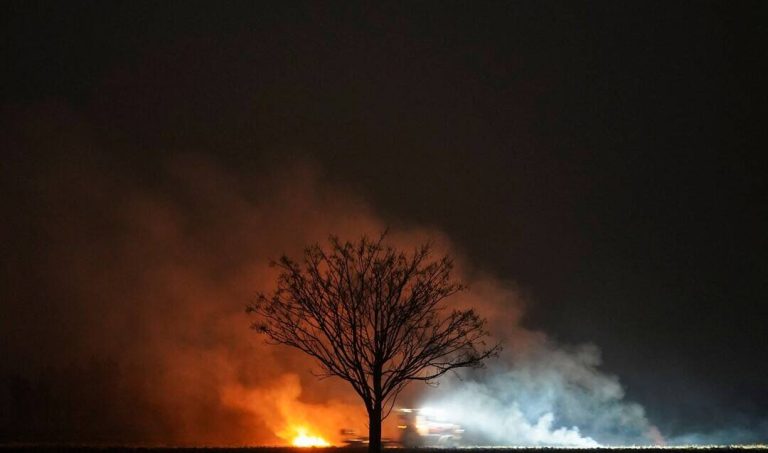
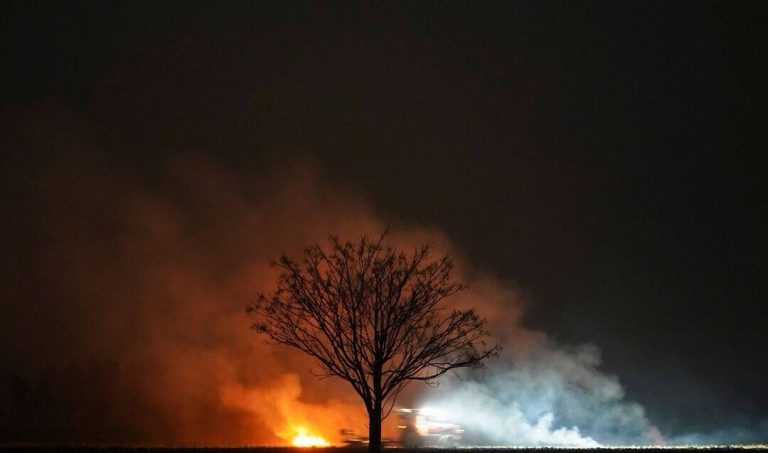
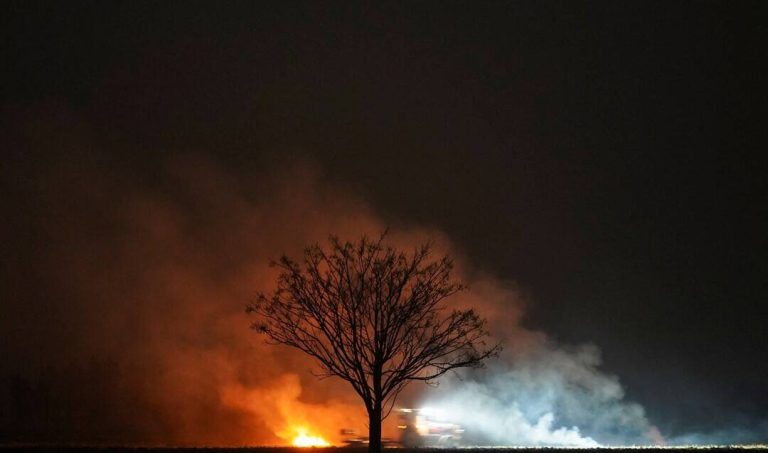
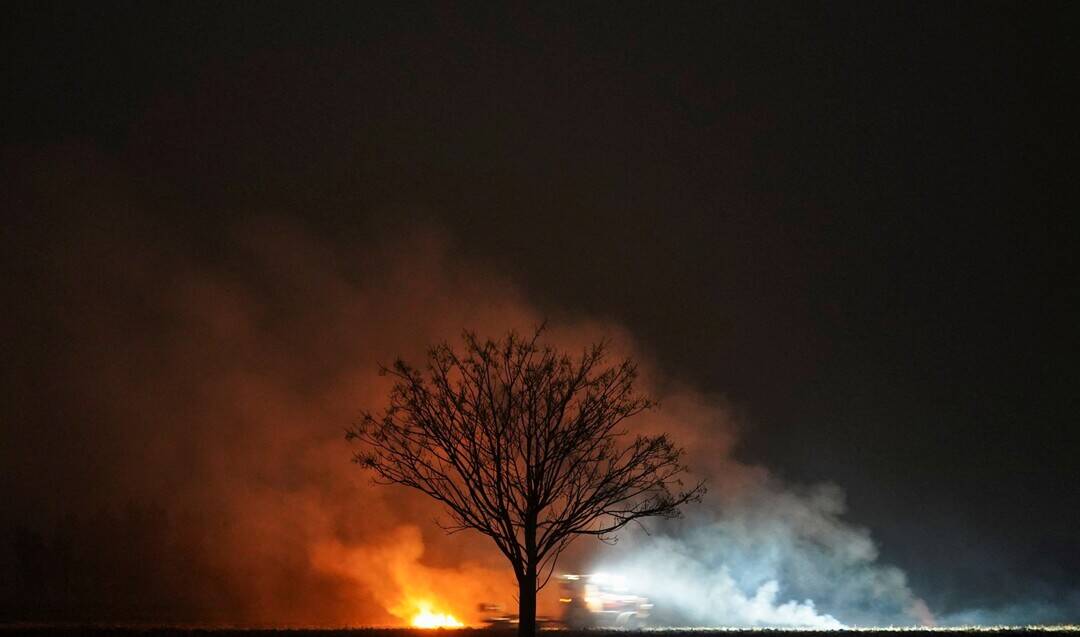
According to NASA, the overall pattern of the stubble-burning season in North India was as per predictions, with the usual peak in fires occurring in October and November. However, the daily timing of these fires has shifted, with farmers now burning their crop residue later in the day. This change in timing has complicated efforts to monitor the fires and their impact on air pollution, as satellites and other monitoring systems are typically designed to detect fires during the daytime.
The shift in the timing of stubble burning has significant implications for air quality in the region. As the fires are now being burned later in the day, the pollutants released into the atmosphere are more likely to linger overnight, leading to a prolonged period of poor air quality. This is particularly concerning for cities like Delhi, which has struggled with severe air pollution in recent years. The city’s air quality deteriorated significantly in October, with the air quality index (AQI) soaring to hazardous levels for several days.
NASA’s observations are based on data from its satellite systems, which are designed to detect and track fires around the world. The agency’s satellites use thermal imaging to identify areas of high heat, which can indicate the presence of fires. By analyzing this data, NASA scientists can track the location, size, and timing of fires, providing valuable insights into the patterns of stubble burning and its impact on air pollution.
The issue of stubble burning is complex, with multiple factors contributing to the problem. Farmers in North India typically burn their crop residue after harvesting, as it is seen as a quick and easy way to clear their fields for the next crop. However, this practice releases large amounts of pollutants into the atmosphere, including particulate matter, carbon monoxide, and volatile organic compounds. These pollutants can have serious health impacts, particularly for vulnerable populations such as children, the elderly, and those with pre-existing medical conditions.
Efforts to address the issue of stubble burning have been ongoing, with the Indian government implementing a range of measures to discourage the practice. These measures include providing financial incentives to farmers who adopt alternative methods of crop residue management, such as mulching or composting. Additionally, the government has established a network of monitoring systems to track the incidence of stubble burning and provide real-time data to policymakers and other stakeholders.
Despite these efforts, the problem of stubble burning persists, and the region continues to experience severe air quality deterioration during the winter months. NASA’s observations highlight the need for continued monitoring and research into the issue, as well as the development of effective strategies to address the root causes of the problem. By working together, governments, farmers, and other stakeholders can reduce the incidence of stubble burning and improve air quality in North India.
In conclusion, NASA’s observations on the issue of pollution and stubble burning in North India provide valuable insights into the patterns of this practice and its impact on air pollution. The shift in the timing of stubble burning, with farmers now burning their crop residue later in the day, has significant implications for air quality in the region. Efforts to address the issue of stubble burning must continue, with a focus on developing effective strategies to discourage the practice and promote alternative methods of crop residue management. By working together, we can reduce the incidence of stubble burning and improve air quality in North India, protecting the health and well-being of millions of people.
Source: https://science.nasa.gov/earth/earth-observatory/new-timing-for-stubble-burning-in-india/
About the Author