What has NASA said about pollution & stubble burning in North India?
The issue of pollution and stubble burning in North India has been a persistent concern for several years, with the region experiencing severe air quality deterioration during the winter months. The main culprit behind this pollution is the practice of stubble burning, where farmers in the region set fire to their crop residue after harvest, releasing large amounts of pollutants into the atmosphere. Recently, NASA has weighed in on the issue, providing valuable insights into the patterns and impact of stubble burning in North India.
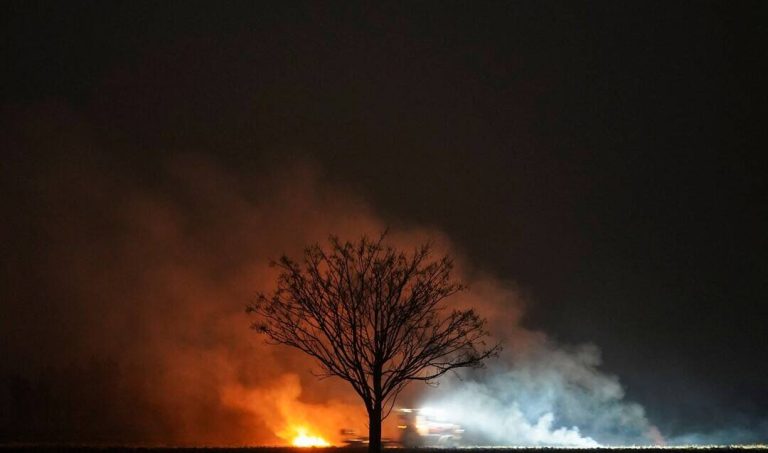
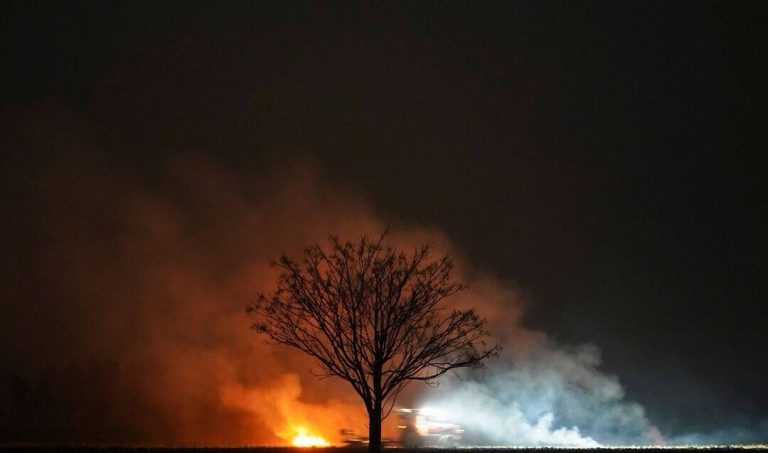
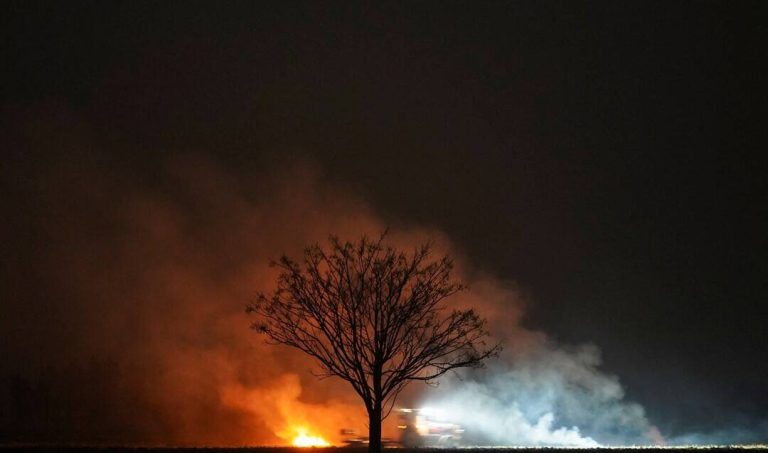
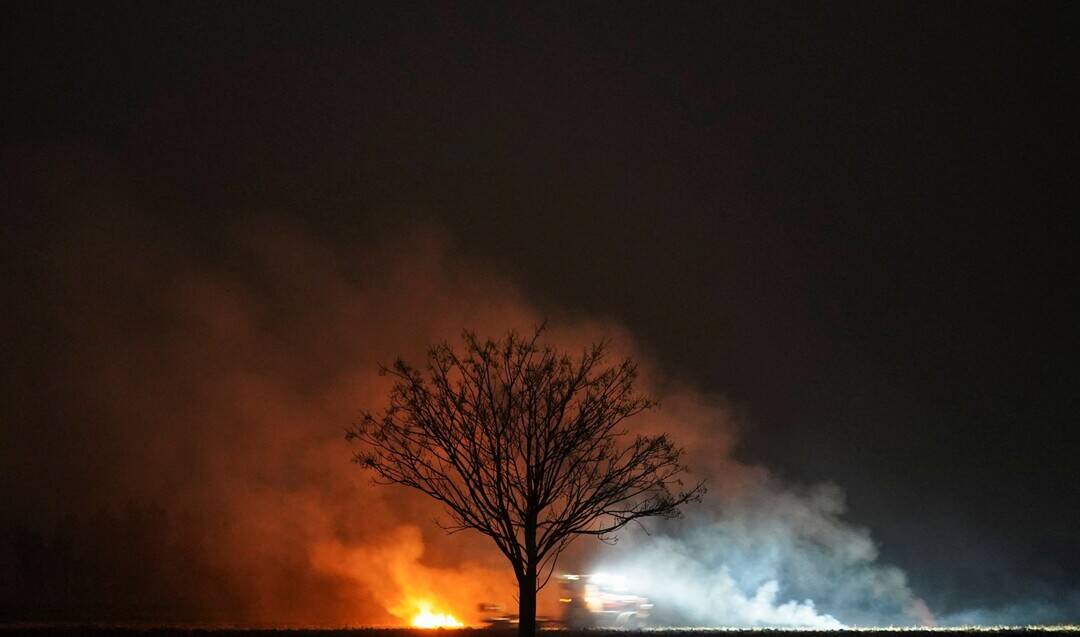
According to NASA, the overall pattern of the stubble-burning season in North India was as per predictions, with the usual spike in crop fires during the month of October. However, the daily timing of these fires has shifted, with farmers now burning their crop residue later in the day. This change in timing has complicated efforts to monitor the fires and their impact on air pollution, as satellite imagery and other monitoring systems are typically designed to track fires during the daytime hours.
The shift in the daily timing of stubble burning has significant implications for air quality in the region. As the crop fires are now being burned later in the day, the pollutants released into the atmosphere are more likely to linger overnight, leading to a worsening of air quality in the morning hours. This is particularly concerning for cities like Delhi, which have already been struggling with severe air pollution problems.
In fact, air quality in Delhi and nearby cities deteriorated significantly for about a month after crop fires intensified in October. The city’s air quality index (AQI) soared to hazardous levels, with particulate matter (PM) concentrations exceeding safe limits by several times. The situation was exacerbated by the fact that the pollutants from the stubble burning were trapped in the atmosphere, unable to disperse due to the prevailing weather conditions.
NASA’s observations on the stubble burning in North India are based on data from its satellite imagery and other monitoring systems. The agency’s Earth Observing System has been tracking the crop fires in the region for several years, providing valuable insights into the patterns and trends of stubble burning. By analyzing this data, NASA scientists have been able to identify changes in the timing and intensity of the crop fires, as well as their impact on air quality.
The findings of NASA’s study have significant implications for policymakers and stakeholders working to address the issue of pollution and stubble burning in North India. By understanding the patterns and trends of stubble burning, authorities can develop more effective strategies to mitigate the impact of crop fires on air quality. This could include measures such as providing alternative methods for disposing of crop residue, implementing stricter regulations on stubble burning, and enhancing monitoring and enforcement capabilities.
In addition to these efforts, there is also a need to raise awareness among farmers and other stakeholders about the harmful effects of stubble burning. Many farmers in the region are unaware of the negative impact of stubble burning on air quality and human health, and may be willing to adopt alternative methods if they are provided with the necessary support and incentives.
In conclusion, NASA’s observations on the stubble burning in North India highlight the need for urgent action to address the issue of pollution and air quality in the region. By understanding the patterns and trends of stubble burning, authorities can develop effective strategies to mitigate its impact on air quality, and work towards a cleaner and healthier environment for all.
As the issue of pollution and stubble burning in North India continues to evolve, it is essential to stay informed about the latest developments and research on the topic. NASA’s study is an important contribution to our understanding of the issue, and highlights the need for continued monitoring and research into the effects of stubble burning on air quality.
Source: https://science.nasa.gov/earth/earth-observatory/new-timing-for-stubble-burning-in-india/
About the Author