What has NASA said about pollution & stubble burning in North India?
The issue of pollution and stubble burning in North India has been a pressing concern for several years, with the region experiencing severe air quality deterioration during the winter months. The main culprit behind this pollution is the practice of stubble burning, where farmers set fire to their crop residue after harvesting, releasing large amounts of pollutants into the atmosphere. Recently, NASA has weighed in on the issue, providing valuable insights into the patterns and impact of stubble burning in North India.
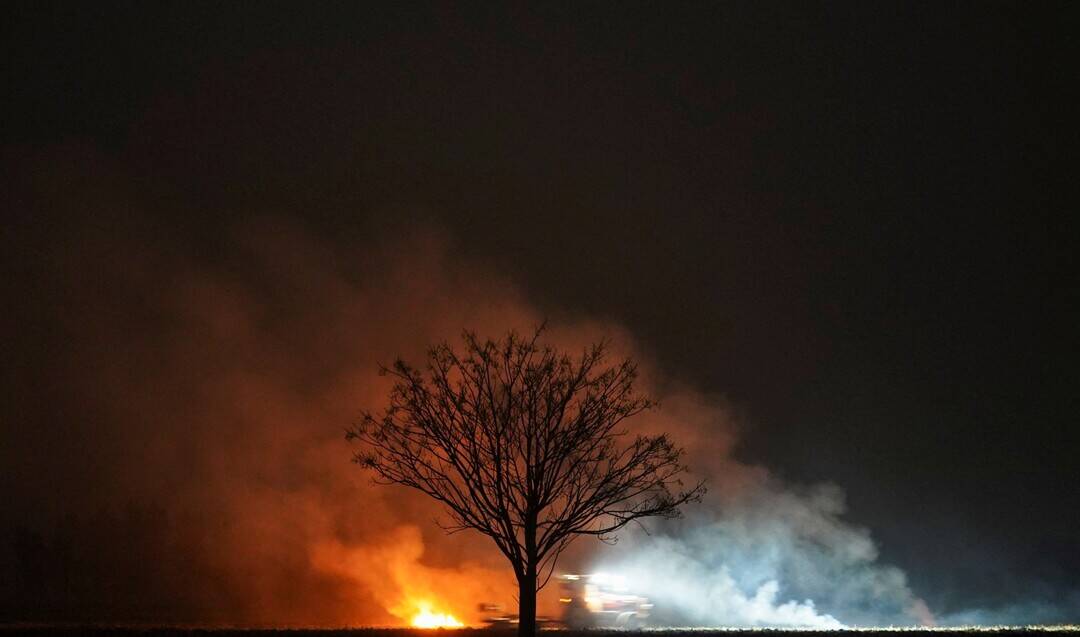
According to NASA, the overall pattern of the stubble-burning season in North India was as per predictions, with the usual peak in October and November. However, the daily timing of the fires has shifted, with farmers now burning their crop residue later in the day. This change in timing has complicated efforts to monitor the fires and their impact on air pollution. NASA’s observations suggest that the crop fires are now being done later in the day, which makes it more challenging to track them using satellite imagery.
The impact of this shift in timing is significant, as it affects the ability of researchers and policymakers to monitor and mitigate the effects of stubble burning on air quality. Traditionally, satellite sensors have been used to detect and track crop fires, but the new timing of the fires makes it more difficult to distinguish between the fires and other heat sources, such as urban areas or industrial activities. This limitation can lead to underreporting or misclassification of crop fires, which can, in turn, affect the accuracy of air quality models and forecasts.
The air quality in Delhi and nearby cities has deteriorated significantly for about a month after the crop fires intensified in October. The city’s air quality index (AQI) has consistently exceeded the hazardous level, posing serious health risks to the residents. The situation is further exacerbated by the fact that the city’s geography, with the Himalayas to the north and the Thar Desert to the west, traps the pollutants and prevents them from dispersing.
NASA’s observations are based on data from its satellite sensors, which are designed to detect and track fires, as well as monitor air quality. The agency’s satellites have been tracking crop fires in North India for several years, providing valuable insights into the patterns and trends of stubble burning. By analyzing the satellite data, researchers can identify the areas where crop fires are most prevalent, as well as the times of day when the fires are most active.
The findings of NASA’s study have significant implications for policymakers and researchers working to address the issue of pollution and stubble burning in North India. By understanding the patterns and trends of crop fires, policymakers can develop more effective strategies to mitigate their impact on air quality. For example, they can work with farmers to promote alternative methods of crop residue management, such as mulching or composting, which can reduce the need for stubble burning.
Additionally, the study highlights the importance of continued monitoring and research into the issue of pollution and stubble burning in North India. By leveraging satellite technology and other tools, researchers can provide policymakers with the data and insights they need to develop effective solutions to this complex problem.
In conclusion, NASA’s observations on pollution and stubble burning in North India provide valuable insights into the patterns and impact of crop fires on air quality. The shift in the daily timing of the fires has complicated efforts to monitor and mitigate their effects, highlighting the need for continued research and monitoring. By working together, policymakers, researchers, and farmers can develop effective strategies to reduce the impact of stubble burning on air quality and improve the health and well-being of residents in North India.
Source:
https://science.nasa.gov/earth/earth-observatory/new-timing-for-stubble-burning-in-india/
About the Author