What has NASA said about pollution & stubble burning in North India?
The issue of pollution and stubble burning in North India has been a persistent concern for several years, with the region experiencing severe air quality deterioration during the winter months. The main culprit behind this environmental hazard is the practice of stubble burning, where farmers set fire to their crop residues after harvesting, releasing large amounts of pollutants into the atmosphere. Recently, NASA has made some significant observations about the pattern of stubble burning in North India, which has important implications for our understanding of this complex issue.
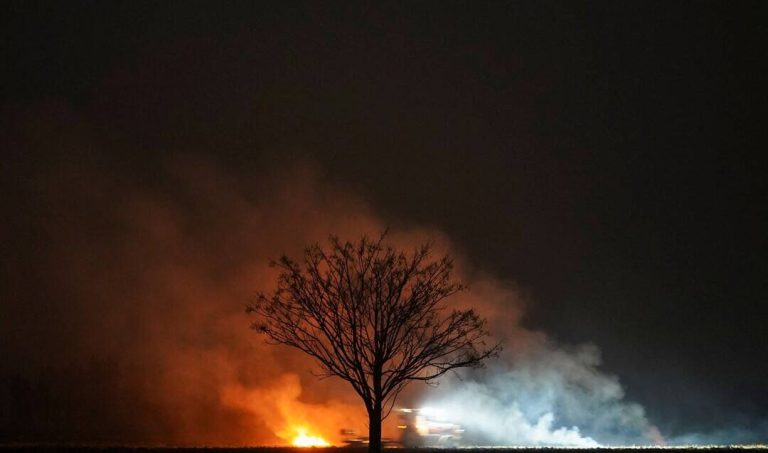
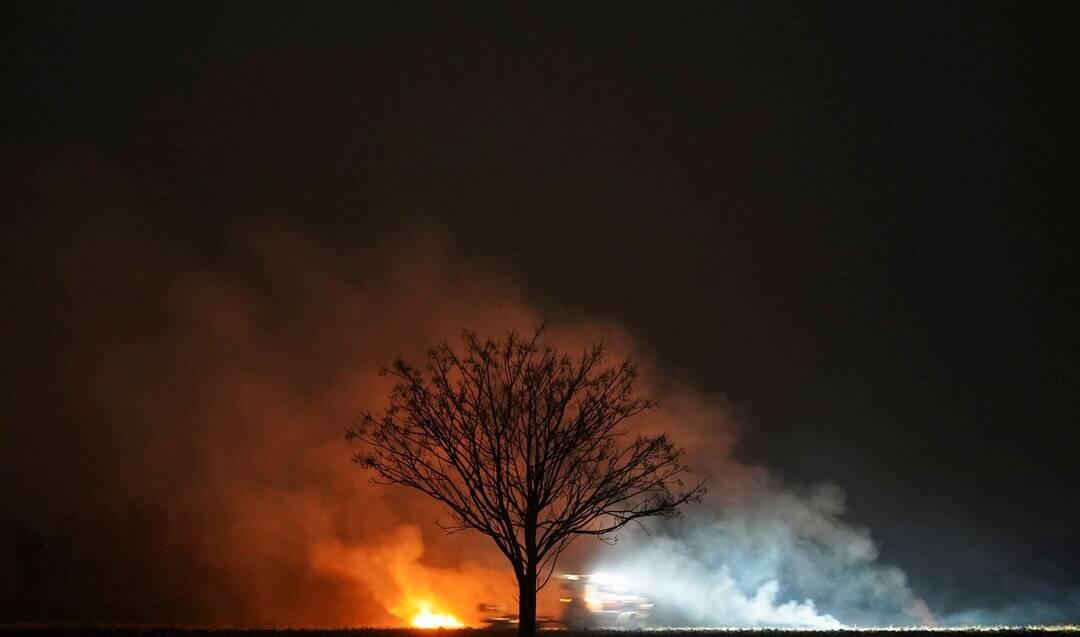
According to NASA, the overall pattern of the stubble-burning season in North India was consistent with predictions, but the daily timing of the fires has shifted. In the past, farmers would typically set fire to their fields in the morning, but this year, the fires are being lit later in the day. This change in timing has made it more challenging to monitor the fires and their impact on air pollution. The shift in the timing of stubble burning has significant implications for air quality monitoring and mitigation efforts.
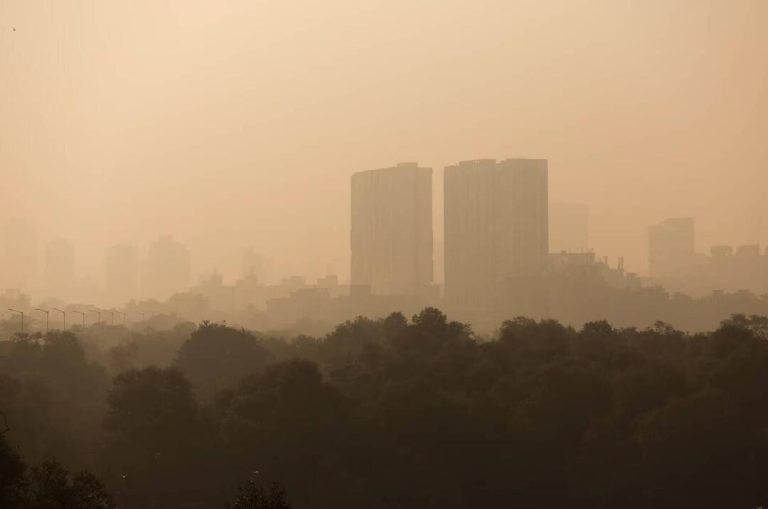
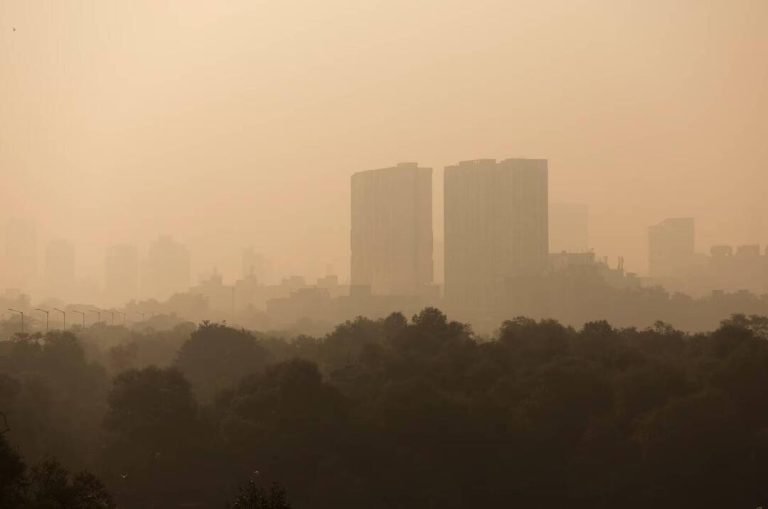
The air quality in Delhi and nearby cities deteriorated significantly for about a month after the crop fires intensified in October. The city’s air quality index (AQI) soared to hazardous levels, posing serious health risks to the residents. The situation was exacerbated by the fact that the winds were not strong enough to disperse the pollutants, allowing them to accumulate in the region. The Indian government and various environmental agencies have been working to address the issue of stubble burning, but the problem persists due to various socio-economic and environmental factors.
Stubble burning is a complex issue, and there are no easy solutions. Farmers in North India, particularly in the states of Punjab and Haryana, rely heavily on crop residues as a source of fuel and fertilizer. However, the practice of burning these residues releases large amounts of particulate matter, carbon monoxide, and other pollutants into the atmosphere, contributing to poor air quality. The Indian government has implemented various measures to discourage stubble burning, including providing financial incentives to farmers who adopt alternative methods of residue management.
Despite these efforts, the practice of stubble burning continues, and the situation is further complicated by the shift in the timing of the fires. NASA’s observations highlight the need for more effective monitoring and mitigation strategies to address the issue of air pollution in North India. The use of satellite imagery and other remote sensing technologies can help track the location and timing of stubble burning, allowing for more targeted interventions.
In addition to the environmental impacts, stubble burning also has significant economic and social implications. The practice of stubble burning can lead to soil degradation, reducing fertility and affecting crop yields. It also poses health risks to farmers and rural communities, who are exposed to high levels of air pollution. Furthermore, the air pollution caused by stubble burning can have far-reaching consequences, affecting not only the local population but also neighboring cities and regions.
To address the issue of stubble burning, a multi-faceted approach is needed. This includes providing alternative methods of residue management, such as biomass conversion or mulching, as well as educating farmers about the risks associated with stubble burning. The Indian government and environmental agencies must also work together to implement effective monitoring and enforcement mechanisms to prevent stubble burning.
In conclusion, NASA’s observations on the shift in the timing of stubble burning in North India highlight the complexity of this environmental issue. The change in timing has significant implications for air quality monitoring and mitigation efforts, and it is essential to develop more effective strategies to address the problem. By adopting a multi-faceted approach that includes alternative methods of residue management, education, and enforcement, we can work towards reducing the impacts of stubble burning and improving air quality in North India.
Source:
https://science.nasa.gov/earth/earth-observatory/new-timing-for-stubble-burning-in-india/
About the Author