What has NASA said about pollution & stubble burning in North India?
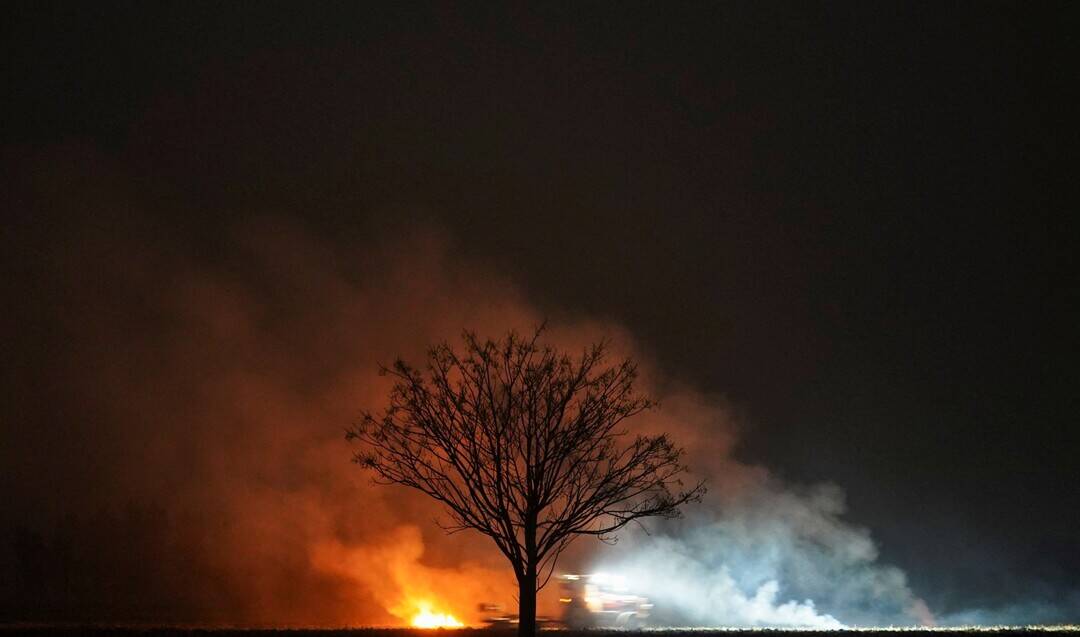
The issue of pollution and stubble burning in North India has been a persistent concern for several years, with the region experiencing severe air quality deterioration during the winter months. The main culprit behind this phenomenon is the practice of stubble burning, where farmers set fire to their crop residue after harvesting, releasing large amounts of pollutants into the atmosphere. Recently, NASA has weighed in on the issue, providing valuable insights into the patterns and impact of stubble burning in North India.
According to NASA, the timing of stubble burning in North India has undergone a significant shift in recent years. Traditionally, farmers in the region would burn their crop residue early in the morning, but now they are doing so later in the day. This change in timing has complicated efforts to monitor the fires and their impact on air pollution. NASA’s observations suggest that while the overall pattern of the stubble-burning season was as per predictions, the daily timing of the fires has shifted, making it more challenging to track and analyze their effects.
The consequences of this shift are far-reaching, with air quality in Delhi and nearby cities deteriorating significantly for about a month after crop fires intensified in October. The pollutants released by the stubble burning, including particulate matter, carbon monoxide, and volatile organic compounds, contribute to the formation of smog and haze, posing serious health risks to the population. The situation is exacerbated by the fact that the winds during this time of the year are typically calm, allowing the pollutants to accumulate and persist in the atmosphere.
NASA’s observations are based on data from its satellite sensors, which are capable of detecting and tracking fires across the globe. The agency’s Earth Observing System has been monitoring the stubble-burning activity in North India for several years, providing valuable insights into the patterns and trends of this practice. By analyzing the satellite data, NASA scientists have been able to identify the timing and location of the fires, as well as the amount of pollutants released into the atmosphere.
The findings of NASA’s study have significant implications for policymakers and stakeholders working to mitigate the impact of stubble burning on air pollution in North India. By understanding the patterns and trends of this practice, authorities can develop more effective strategies to reduce the amount of pollutants released into the atmosphere. This could involve implementing alternative methods for disposing of crop residue, such as composting or using it as fodder for livestock, or providing incentives to farmers to adopt more sustainable practices.
In addition to the environmental impacts, stubble burning also has significant economic and social implications. The practice is often seen as a quick and easy way to dispose of crop residue, but it can also lead to soil degradation and reduced fertility, ultimately affecting crop yields and farmer livelihoods. Furthermore, the air pollution caused by stubble burning can have serious health consequences, particularly for vulnerable populations such as children, the elderly, and those with pre-existing medical conditions.
To address the issue of stubble burning and its impact on air pollution, the Indian government has implemented several initiatives in recent years. These include the promotion of alternative methods for disposing of crop residue, such as the use of happy seeders and other machines that can collect and dispose of the residue without burning it. The government has also launched awareness campaigns to educate farmers about the risks associated with stubble burning and the benefits of adopting more sustainable practices.
In conclusion, NASA’s observations on the timing and impact of stubble burning in North India provide valuable insights into this critical issue. The shift in the timing of stubble burning, with farmers now burning their crop residue later in the day, has complicated efforts to monitor and mitigate the effects of this practice on air pollution. As the region continues to grapple with the challenges of air pollution, it is essential to develop effective strategies to reduce the amount of pollutants released into the atmosphere. By working together, policymakers, stakeholders, and farmers can help to mitigate the impact of stubble burning and promote more sustainable practices that benefit both the environment and the community.
News Source: https://science.nasa.gov/earth/earth-observatory/new-timing-for-stubble-burning-in-india/
About the Author